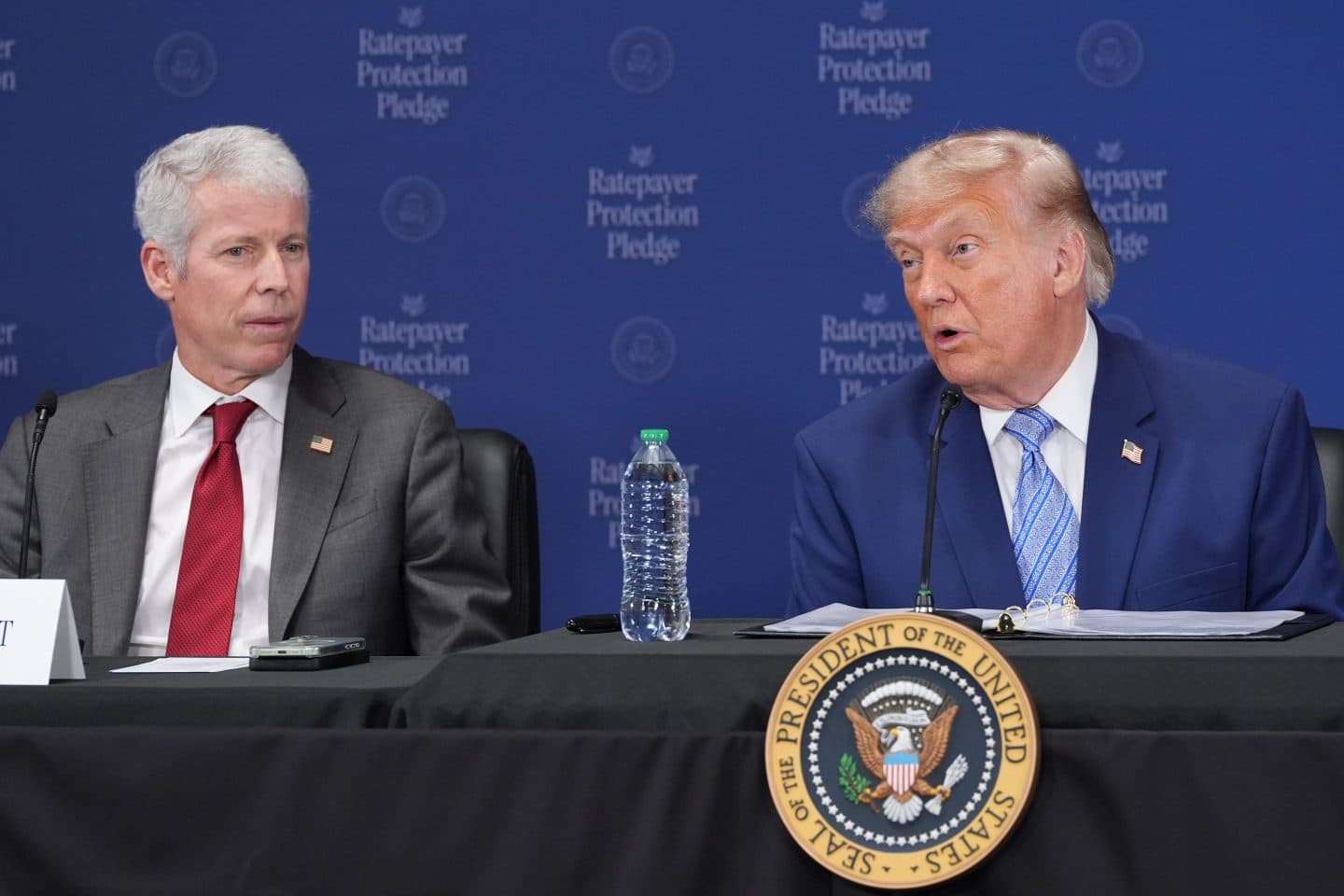
Trump pressures Netanyahu as U.S.-Israel rift deepens over Lebanon
Trump said Israel would halt Beirut strikes and later admitted calling Netanyahu “crazy,” exposing a public break that is shaking Netanyahu’s U.S. playbook.
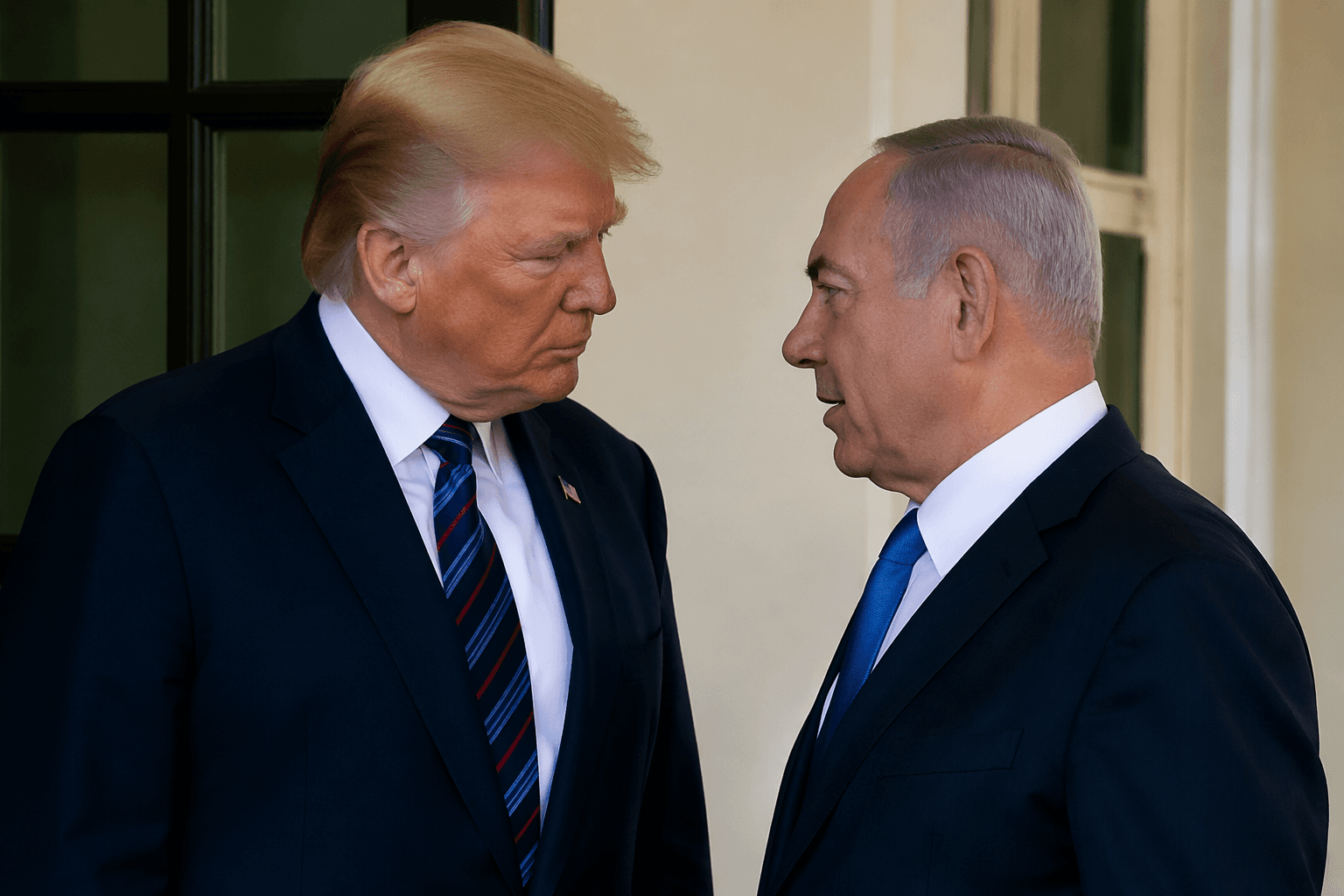
Trump’s pressure on Benjamin Netanyahu has become unusually public, and it is narrowing the Israeli leader’s options in Washington. The immediate fight over Lebanon has spilled into a broader struggle over who still has leverage, with Trump signaling he can restrain Israeli military moves while Netanyahu’s political rivals say the Israeli leader has ceded too much control to Washington.
The clash sharpened after Trump said Israel would halt plans to attack Hezbollah-linked targets in Beirut, and then acknowledged calling Netanyahu “crazy” in a profanity-laced phone call over the fighting in Lebanon. Those episodes marked a stark turn in a relationship that had been built on close coordination, especially on Iran. Axios reported that Trump and Netanyahu have spoken almost daily and worked closely on regional issues, but now appear to be diverging as Trump leans toward diplomacy and a way out of the war while Netanyahu has continued to favor military escalation.
That split matters because it comes with Israel heading toward an election due by October 2026, when Netanyahu’s vulnerability is already a central political issue. His challengers have seized on the rupture to argue that he has surrendered Israeli sovereignty to Washington. Former Prime Minister Naftali Bennett said Netanyahu’s government had lost control of Israeli sovereignty, while Yair Lapid went further, calling Israel a “full protectorate” in effect. Together, Bennett and Lapid have strengthened the opposition’s ability to turn the Trump dispute into a domestic indictment of Netanyahu’s leadership.
Netanyahu’s leverage in the United States still runs through a Republican Party that has long been one of Israel’s most reliable allies. But that refuge is less secure than it once was. Republican divisions over Gaza and the wider war have made it harder for Netanyahu to count on automatic support, even as some lawmakers continue to frame the alliance as strategic and enduring. Rep. Marlin Stutzman, Republican of Indiana, introduced House Resolution 1339 on June 3, a nonbinding measure backed by Netanyahu that would move the relationship away from aid-driven dependence and toward defense cooperation and joint investment.
The proposal lands at a sensitive moment because the United States still provides Israel $3.8 billion a year in military and foreign aid under a 10-year memorandum of understanding worth $38 billion that expires in 2028. Support between the two countries began in 1949 with a $100 million loan, but the current debate is no longer about simple generosity. It is about whether Washington remains a dependable shield, whether Netanyahu can still sell himself at home as the man who can manage Trump, and whether the next phase of U.S.-Israel policy will be built on bipartisan backing or a far more transactional bargain.
This article was produced by Prism’s automated news system from verified source data, official records, and press releases, then run through automated quality and moderation checks before publishing. The system is built and supervised by the people who set the standards it runs under. Read our full AI policy.
Did this article answer your question?