Trump proposes tariffs on 60 trading partners over forced labor claims
Trump is using forced-labor findings to justify new tariffs on 60 economies, with 10% and 12.5% duties aimed at trading partners from Canada to China.
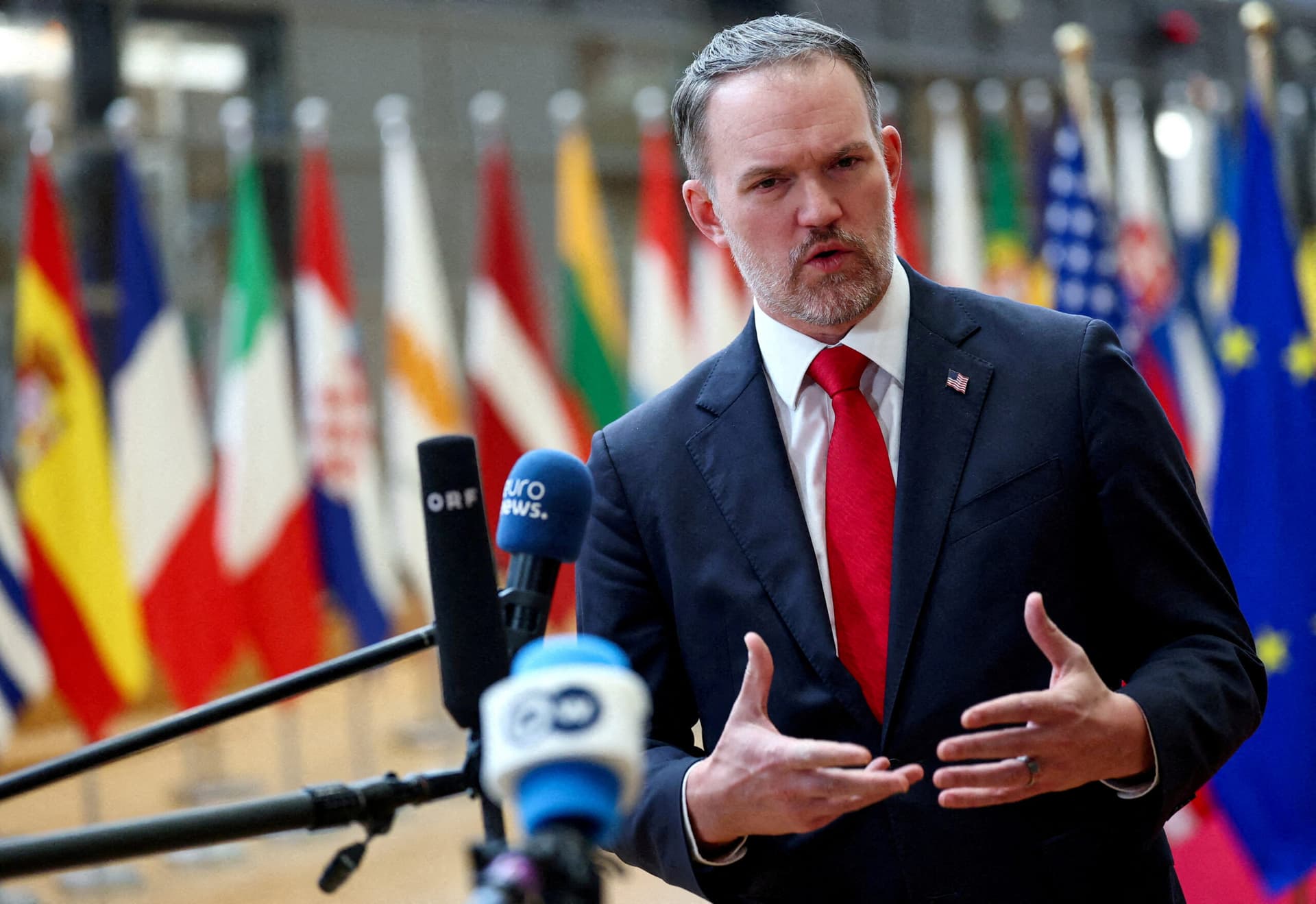
The Trump administration moved to layer new tariffs onto nearly all major U.S. import channels, saying 60 trading partners had failed to stop goods made with forced labor from entering the American market. The Office of the U.S. Trade Representative said the cases cover more than 99% of U.S. imports in 2024, a sweeping reach that turns a labor-enforcement campaign into a broad trade wall.
USTR proposed extra duties of 10% for economies with a forced-labor import prohibition, a commitment to such a prohibition, or a partial regime, and 12.5% for economies without those measures. Canada, Mexico, the European Union, Britain, Taiwan and several Latin American and Southeast Asian economies were placed in the lower tariff tier, while China, India, Japan, South Korea, Vietnam, Australia and New Zealand were among those facing the higher rate. The administration also proposed a separate textile mechanism that would allow some apparel and textile imports to enter at reduced Section 301 rates.
The policy rests on a proof problem as much as a trade one. USTR said the 60 investigations found the economies’ acts, policies and practices were unreasonable because they did not effectively prohibit or enforce bans on imports made with forced labor. The agency framed the issue as both an economic and national-security threat, arguing that companies relying on forced labor can undercut rivals by driving down labor costs. It also cited International Labour Organization estimates that 28 million people were in forced labor in 2021, up 2.7 million from 2016.
The timing matters. The proposal comes after the Supreme Court struck down most of Trump’s earlier “Liberation Day” tariffs earlier in 2026, forcing the White House to rebuild its tariff strategy through a different legal and administrative route. USTR set a July 6 deadline for public comments, scheduled a hearing for July 7, and said requests to appear must be submitted by June 22.
The reaction from Brussels was immediate and hostile. European officials called the U.S. rationale unjustified and said any new tariffs on top of existing commitments would be unacceptable, underscoring the risk to transatlantic trade ties just as both sides are trying to manage disputes over industrial policy and market access. The broader backdrop is also tense: the European Union has only recently moved toward its own forced-labor import ban, while campaigners have warned that weak enforcement could turn Europe into a dumping ground for tainted goods.
For supply chains, the fallout could be wide. Importers in apparel, electronics, agriculture and consumer goods would face higher costs, more customs scrutiny and the possibility of rerouting production across countries that may not escape Washington’s next review. For trading partners, the signal is sharper still: the administration is treating forced-labor enforcement not as a narrow human-rights tool, but as a lever to redraw the terms of trade.
This article was produced by Prism’s automated news system from verified source data, official records, and press releases, then run through automated quality and moderation checks before publishing. The system is built and supervised by the people who set the standards it runs under. Read our full AI policy.
Know something we missed? Have a correction or additional information?
Submit a Tip