Trump ramps up pressure on Cuba, experts doubt invasion threat
Washington says no invasion is imminent, but Trump’s Cuba pressure is built mostly on sanctions that can squeeze Havana, not topple it fast.
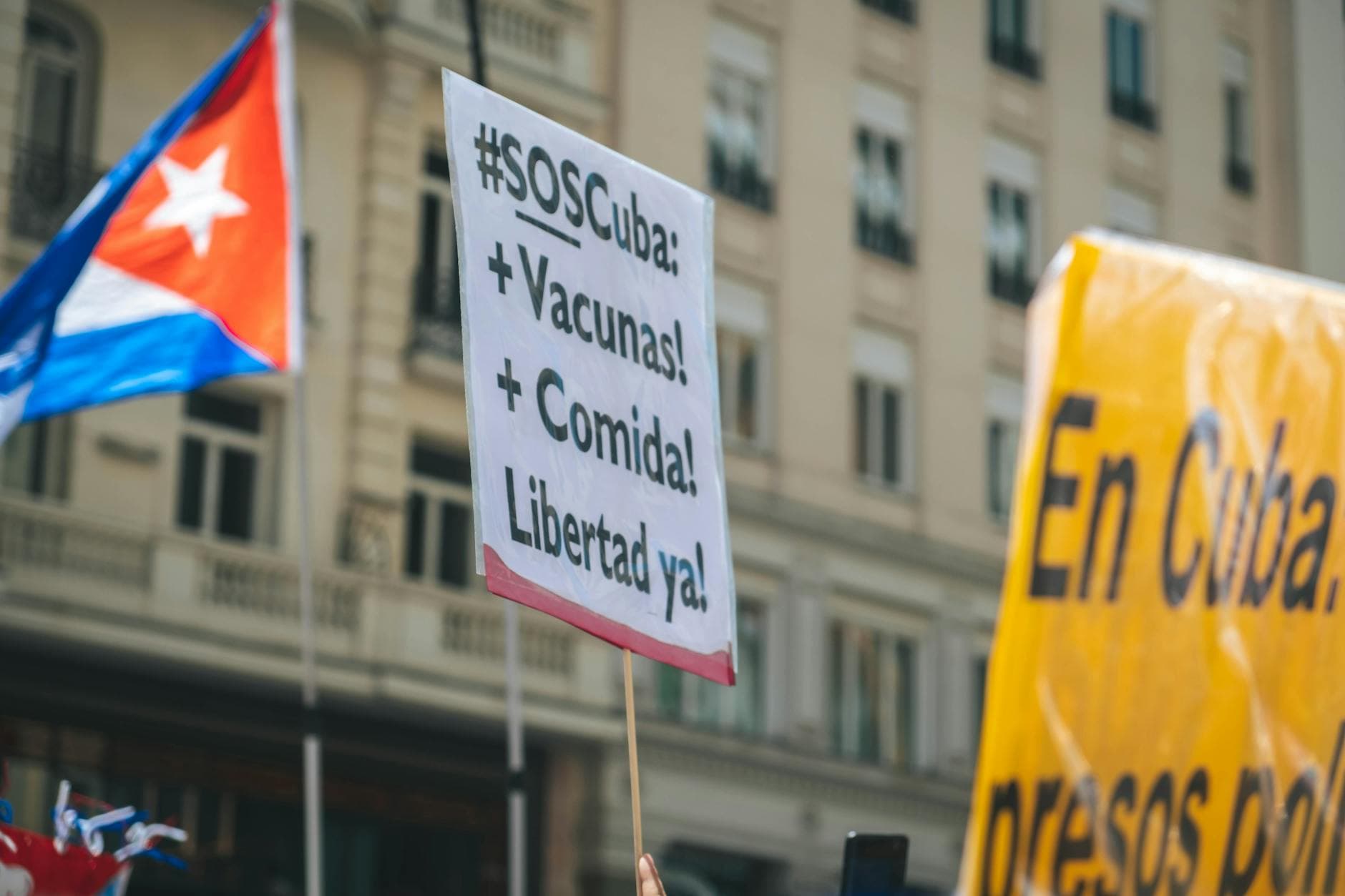
Trump’s Cuba offensive has moved quickly from rhetoric to sanctions, but the real menu of U.S. options is far narrower than the language suggests. U.S. officials said the administration was not looking at imminent military action against Havana even after Trump declared that “Cuba is next” and floated the idea that warships deployed in the Middle East could return by way of the island.
The White House instead reached for the tools that are actually available: financial pressure, blacklisting and diplomatic isolation. On May 1, Donald Trump signed Executive Order 14404 and the White House issued a fact sheet announcing sanctions on Cuban regime officials it said were tied to repression and threats to U.S. national security and foreign policy. The State Department later designated GAESA, Cuba’s military-linked business conglomerate, under that order. That kind of move can choke off access to hard currency and make it harder for the island’s military and political elites to do business, but it does not amount to a workable invasion plan.
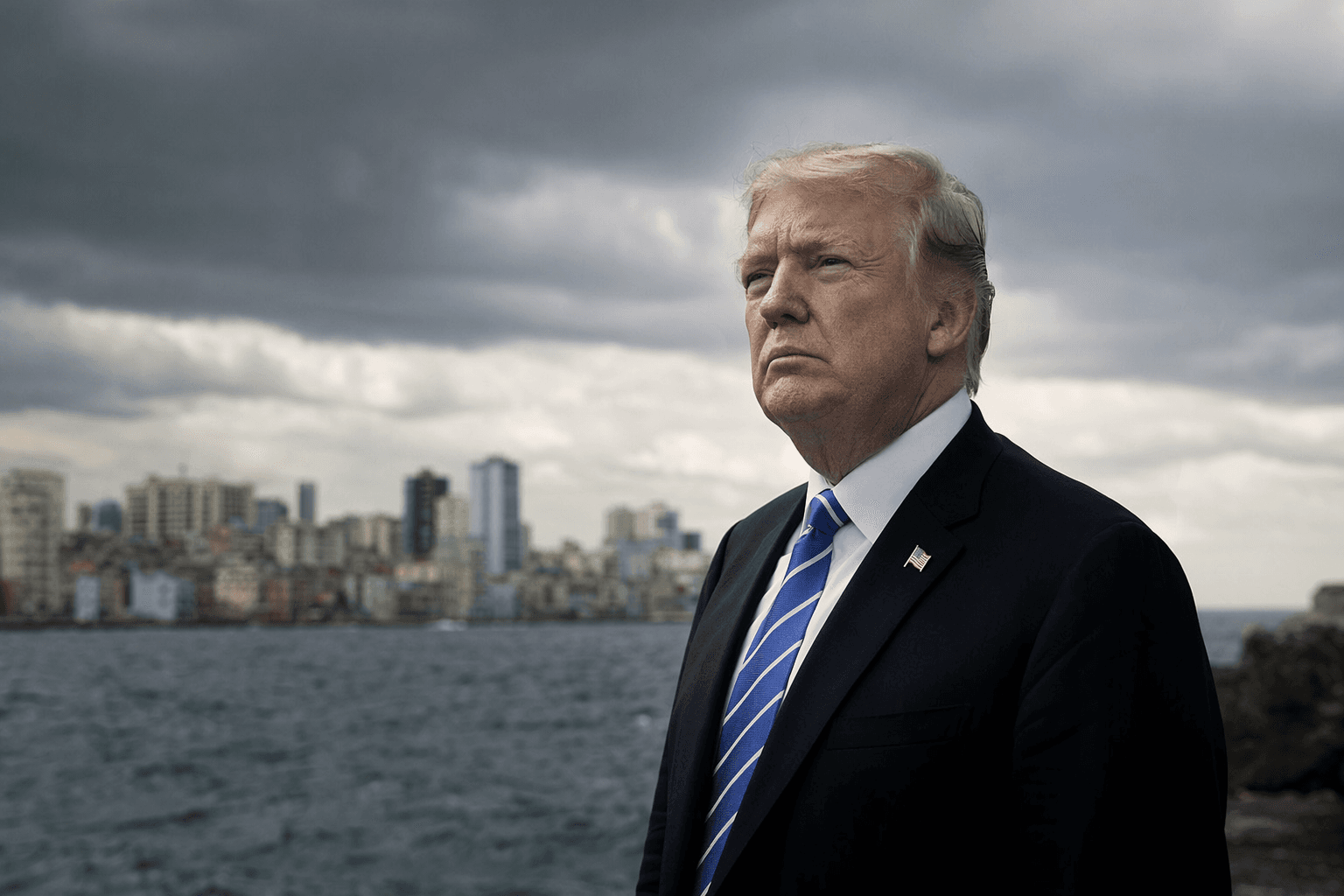
That is the central gap in Trump’s Cuba posture. A genuine regime-change campaign would demand far more than sanctions or symbolic pressure, and experts say Cuba is a much harder target than Venezuela because of its political structure and the scale of the effort required. Trump also said Cuba was seeking help and that the United States would talk, without laying out what that might mean. The contradiction is telling: the administration is signaling toughness while keeping the policy ladder short of military action.
Any serious military threat would also carry the weight of history. The last major U.S.-Cuba confrontations were the Bay of Pigs invasion and the 1962 missile crisis, episodes that still define the political risk of direct confrontation in the Caribbean. That is why the current push looks less like a credible invasion warning than a pressure campaign built for headlines, leverage and domestic political effect.
Havana has answered in kind. Cuban officials have blasted the U.S. moves as dangerous and tied them to the island’s worsening fuel and energy crisis. The broader policy arc is just as unforgiving: the Helms-Burton Act, enacted on March 12, 1996, codified the embargo and expanded sanctions to foreign companies doing business with Cuba. Trump’s latest steps mark a sharp break from the more limited thaw of recent years and a return to maximum pressure, but sanctions can isolate a government far more easily than they can force it to fall.
This article was produced by Prism’s automated news system from verified source data, official records, and press releases, then run through automated quality and moderation checks before publishing. The system is built and supervised by the people who set the standards it runs under. Read our full AI policy.
Did this article answer your question?