Trump Rejects Iran Peace Proposal as Oil Prices Spike, Strait Stalls
Oil jumped more than $4 a barrel as Trump rejected Iran’s peace response, while tanker traffic through the Strait of Hormuz stayed largely paralyzed.
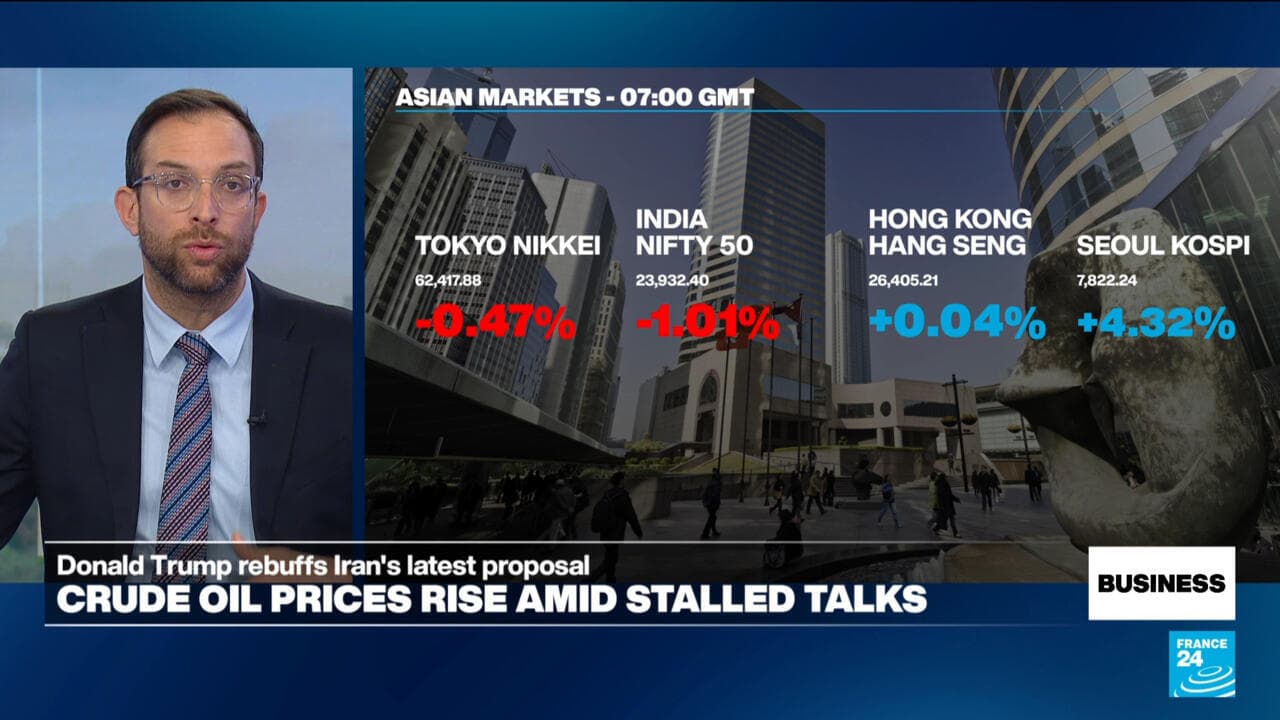
Oil markets rattled higher and tanker traffic stayed choked in the Strait of Hormuz after Donald Trump rejected Iran’s latest peace response, deepening fears that a 10-week war could harden into a longer regional crisis with global price effects.
Prices rose more than $4 a barrel after Trump dismissed Tehran’s answer to a U.S. proposal on Truth Social as “TOTALLY UNACCEPTABLE.” The immediate market reaction reflected the same choke point that has made the conflict so dangerous from the start: before the war began on February 28, the narrow strait carried about one-fifth of the world’s oil and liquefied natural gas flows.

Shipping through the waterway remained largely stalled. Reuters reported that three tankers loaded with crude left the strait last week with their trackers switched off to reduce the risk of an Iranian attack. Analysts described the market as reacting like a “geopolitical headline machine,” a sign that even brief shifts in diplomacy were being translated into higher freight risk, tighter insurance, and renewed worries over supply from the Gulf region.

Iran’s response, delivered Sunday through state media and Reuters, demanded compensation for war damage, an end to the U.S. naval blockade, guarantees of no further attacks, sanctions relief and an end to the U.S. ban on Iranian oil sales. Esmaeil Baghaei, the foreign ministry spokesman, said Iran would “fight whenever it is necessary” but would also use diplomacy “whenever we deem it appropriate,” a line that underscored how Tehran was keeping both pressure and negotiation on the table.
The U.S. proposal had called for halting the fighting first, then dealing with the more contentious issues, including Iran’s nuclear program. Pakistan has served as mediator in the talks, and earlier in the week Iran said the American plan was still under review. Trump had said discussions were moving forward and floated a possible deal through Pakistani mediation, but the latest exchange narrowed the space for compromise. Benjamin Netanyahu also said there was still “work to be done” in Iran.
The economic stakes are already visible beyond the strait. CNBC reported that analysts warned the fallout could escalate sharply if Hormuz stayed shut for one to three more weeks, even after the U.S. and others released 400 million barrels from strategic reserves. Iran had earlier offered a 10-point peace plan and later a five-condition framework that centered on safe passage through Hormuz, sanctions relief and reparations, showing that control of the waterway remained the core test of whether the two sides were trying to de-escalate or preparing for a wider clash.
This article was produced by Prism’s automated news system from verified source data, official records, and press releases, then run through automated quality and moderation checks before publishing. The system is built and supervised by the people who set the standards it runs under. Read our full AI policy.
Did this article answer your question?


