Trump reviews Iran peace offer, doubts it will be acceptable
Trump called Iran’s counteroffer a possible opening, then warned strikes could resume as Washington approved $8.6 billion in arms sales to regional allies.

Trump is reviewing Iran’s latest peace proposal, but he made clear he does not expect much from it, saying he could not imagine the plan would be acceptable and warning the United States could restart strikes if Tehran “misbehaves.” The message, delivered May 2 before he boarded Air Force One in West Palm Beach, Florida, landed alongside a fresh round of American arms sales that reinforced the military pressure surrounding the talks.
Iran’s response was described as a 14-point counterproposal sent through Pakistani intermediaries. Reported Iranian demands included guarantees against future military action, the withdrawal of U.S. forces from areas surrounding Iran, an end to the naval blockade and the unfreezing of Iranian assets. The proposal also sought to end the conflict within 30 days, a shorter timetable than the two-month ceasefire framework the United States had proposed.
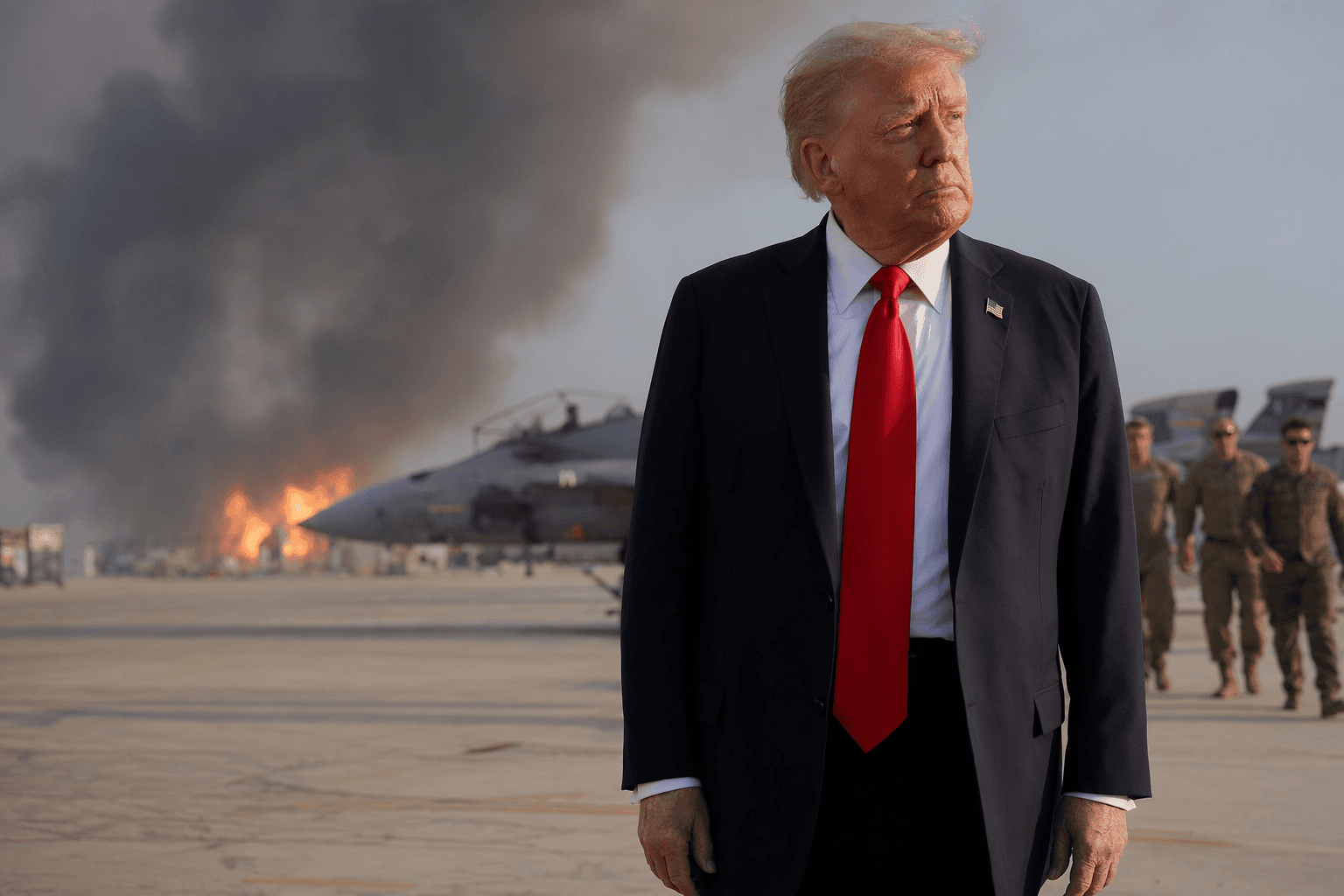
That gap underscores the central problem in the diplomacy now unfolding: both sides are talking about de-escalation, but they are defining it in sharply different terms. Trump said he was reviewing only the “concept” of a deal and wanted the exact wording before judging it. In effect, Washington is leaving the door open to a bargain while signaling that the military option remains live.
At the same time, the State Department approved more than $8.6 billion in military sales to Israel, Qatar, Kuwait and the United Arab Emirates on May 1, using emergency powers to bypass the normal congressional review process. The timing matters. Reuters reported that the war with Iran had been underway for nine weeks and that a fragile ceasefire had held for more than three weeks, making the arms move look less like routine support and more like a deliberate show of force in a volatile regional standoff.
The broader battlefield has not gone quiet. Israel continued strikes in southern Lebanon, keeping pressure high across the region even as negotiators tried to narrow the gap over the Strait of Hormuz, sanctions relief and future military guarantees. For now, Washington appears to be doing two things at once: building leverage for a deal and preparing for the possibility that the deal collapses.
Know something we missed? Have a correction or additional information?
Submit a Tip