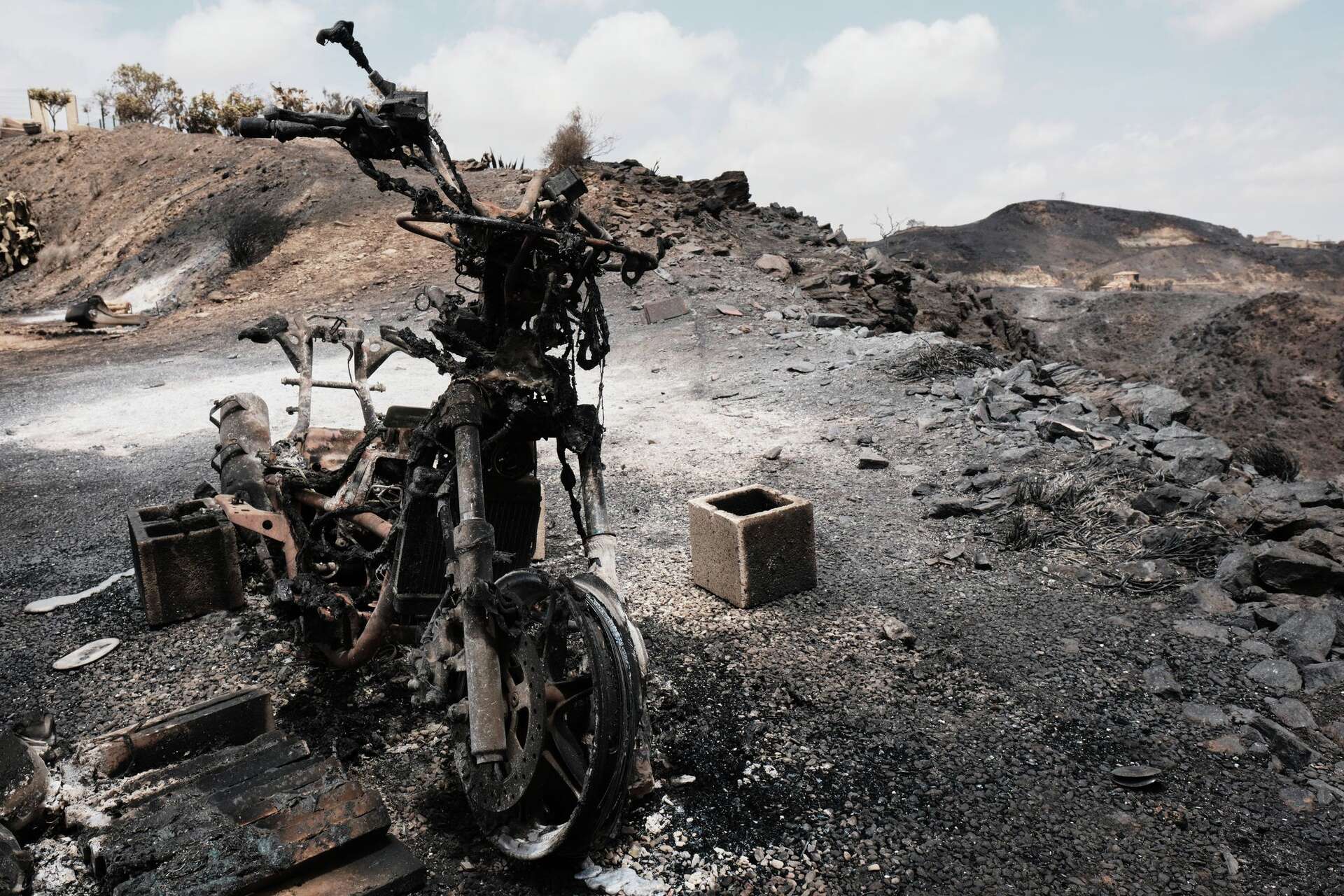
Trump says he has not decided whether to finish off Iran
U.S. strikes hit Iran again as Trump kept a deadline off the table, while retaliation threatened Hormuz shipping lanes and Gulf states.
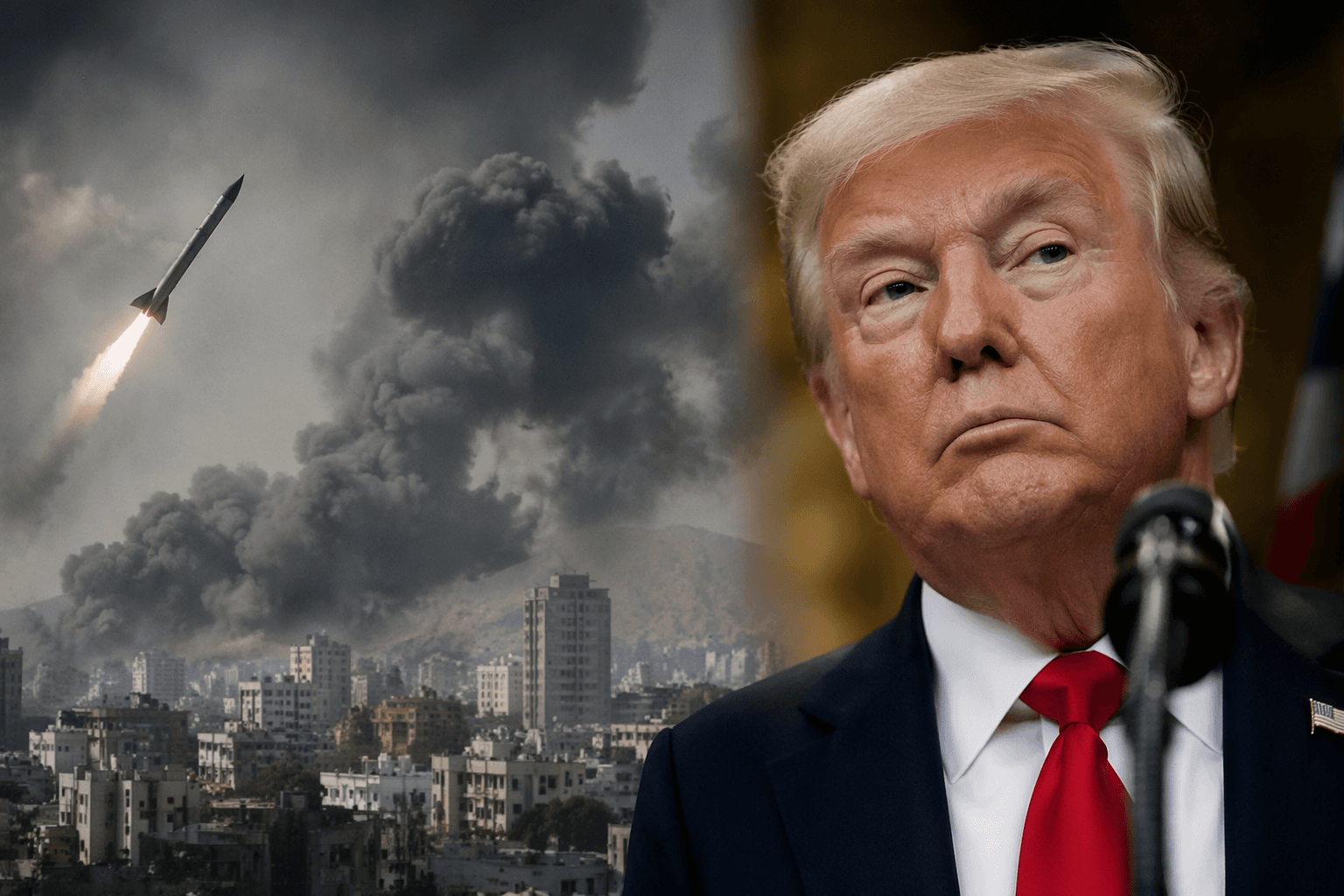
U.S. Central Command said it carried out another wave of strikes against Iran on July 15, a second round in 24 hours, as Donald Trump said he had not decided whether to “finish off” Iran. Some reports said the attack lasted about 90 minutes and targeted coastal defense systems, cruise-missile storage and launch sites on Greater Tunb Island.
The latest strikes fit a narrow stated objective: keeping the Strait of Hormuz open to shipping. The fighting widened after earlier attacks on merchant vessels triggered an exchange of fire across the Gulf, turning the waterway into the center of a fast-moving confrontation with consequences for global oil and trade. Any sustained disruption there would reach far beyond the battlefield, affecting tankers, energy prices and the movement of goods.
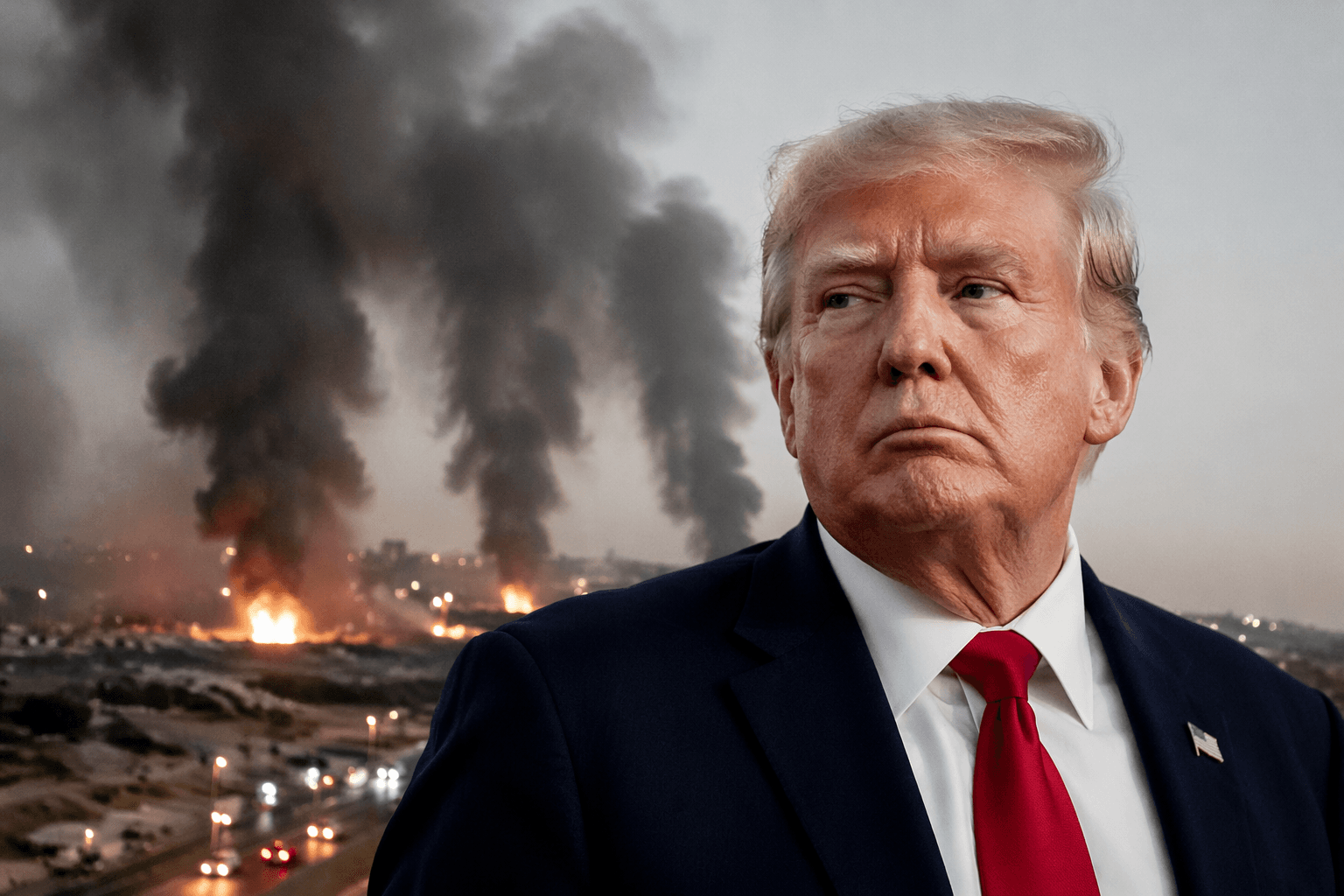
The human toll has already climbed sharply. Iranian health authorities said more than 260 people were injured in an earlier round of American strikes. In one earlier U.S. attack round, at least 14 people were killed and 78 were injured. Iranian retaliation was then reported against Bahrain, Kuwait, Qatar and Jordan, deepening fears that an interim ceasefire or deal could unravel as each new strike invites another response.
Trump has tried to keep the campaign open-ended rather than tied to a deadline. He said he did not want to set one and warned that Iran should “better behave,” leaving open the possibility of still heavier strikes if Tehran does not return to talks. That stance keeps pressure on Iran, but it also raises the risk that Washington moves from limited deterrence toward a broader confrontation, with shipping lanes, regional facilities and domestic political pressure all pulling in the same direction.
This article was produced by Prism’s automated news system from verified source data, official records, and press releases, then run through automated quality and moderation checks before publishing. The system is built and supervised by the people who set the standards it runs under. Read our full AI policy.
Did this article answer your question?