Trump says he paused Iran strikes after pressure from Middle East allies
Donald Trump said he was an hour from launching new strikes on Iran before allies in Qatar, Saudi Arabia and the UAE urged him to stop.
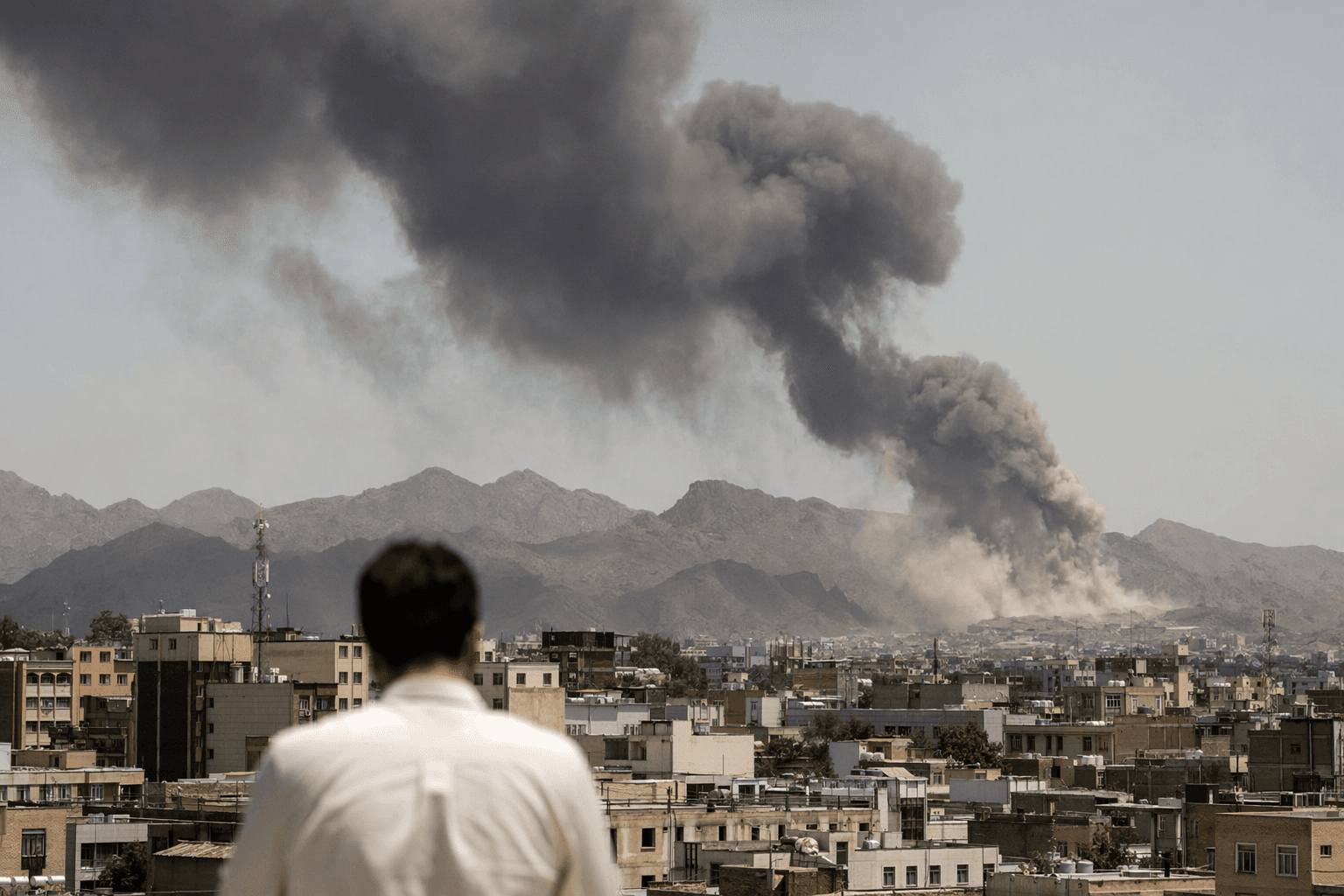
Donald Trump said he called off a U.S. attack on Iran that he said had been scheduled for Tuesday after leaders from Qatar, Saudi Arabia and the United Arab Emirates pressed him to reconsider. He described the decision as a pause, not a retreat, saying he had told military leaders to be ready for a “full, large scale assault” on short notice if talks fail.
The president said the reversal came as “serious negotiations” were underway and argued that an acceptable deal could still be reached for the United States and countries across the Middle East. Trump said the requests came from Emir Tamim bin Hamad Al Thani, Saudi Crown Prince Mohammed bin Salman Al Saud and UAE President Mohamed bin Zayed Al Nahyan, placing Gulf allies at the center of the most immediate decision point in the confrontation.
The episode underscored how much of the pressure now runs through regional capitals rather than only through public threats from Washington and Tehran. Iran said it had sent an amended proposal through Pakistani mediators, while Trump warned a day earlier that the “Clock is Ticking” and that there “won’t be anything left of them” if Tehran did not move quickly. The competing messages left open the possibility of another strike, while also showing that diplomacy is still being shaped by governments that sit closest to the consequences.
The stakes extend well beyond the battlefield. CBS News reported that the dispute rattled oil and stock markets, a sign that even a threat of renewed strikes can spread through energy prices and investor confidence far from the Gulf. The Strait of Hormuz remains a critical choke point for global shipping, and any escalation would keep American forces in the region and commercial traffic in range of retaliation.
The current standoff grew out of a wider conflict that intensified in June 2025, when the United States struck Iranian nuclear sites at Fordo, Natanz and Isfahan after Israeli attacks. That strike was the first U.S. attack on Iranian territory since 1988 and was followed by Iranian retaliation threats, deepening fears of a broader regional war. CBS/AP reported that Iran still has not agreed to Trump’s demands to abandon its nuclear program, end ballistic missile development or cut support for proxies in Gaza, Iraq, Lebanon and Yemen, leaving the basic dispute unresolved even as Middle East allies try to hold the line against another war.
Know something we missed? Have a correction or additional information?
Submit a Tip