Trump Says Iran Agreed to Uranium Deal, Then Warns of Destruction
Trump said Iran had agreed to remove enriched uranium, then warned the country could be “blown up” if no deal was signed.
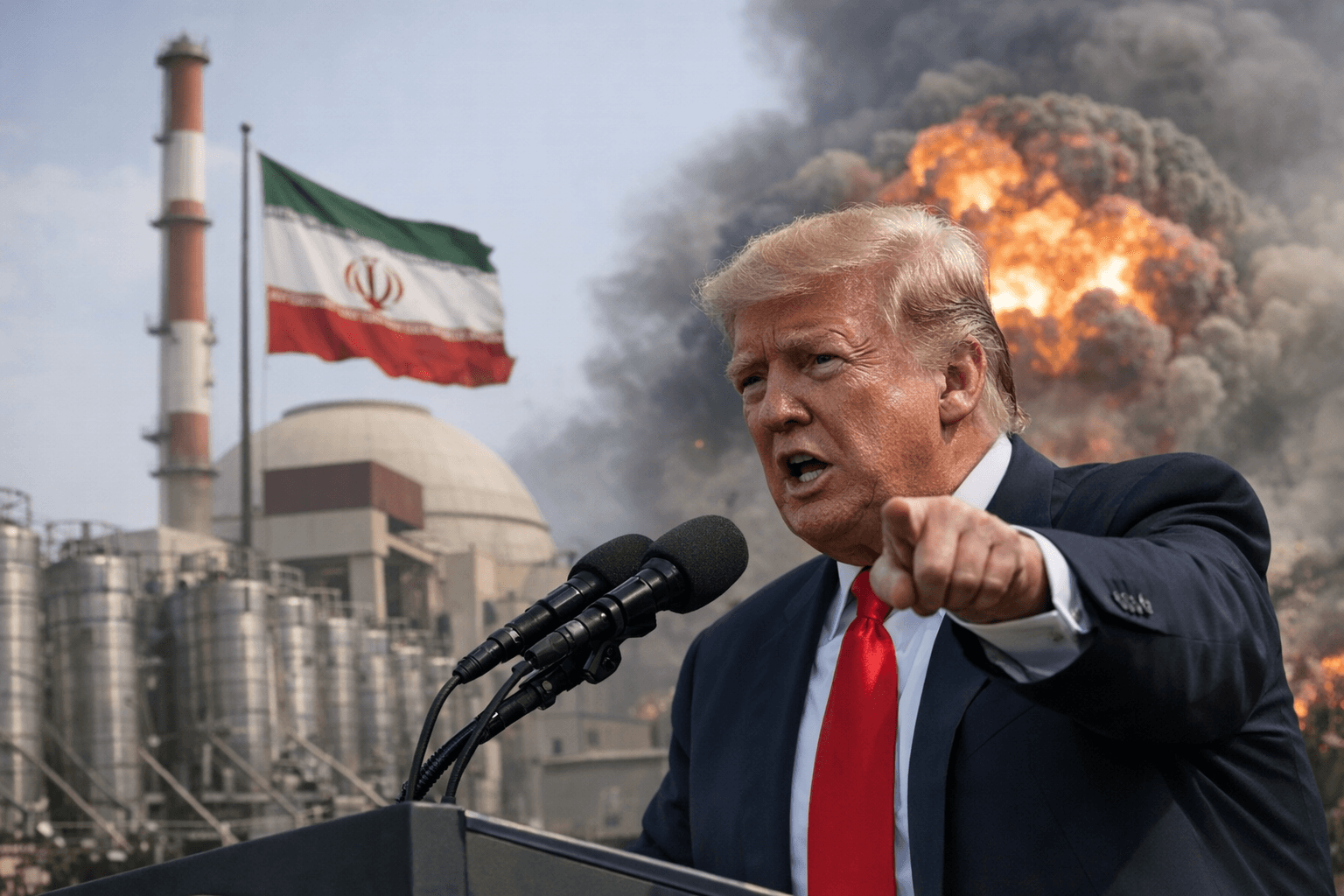
Donald Trump swung from declaring that Iran had “agreed to everything” to warning that “the whole country is going to get blown up” if no deal came together, a shift that laid bare how unstable the diplomacy had become as war, ceasefire talks and nuclear demands moved in parallel.
Less than 48 hours apart, the president first told CBS News that Iran would work with the United States to remove its enriched uranium and said U.S. “people” would help recover the material. He later told Reuters that the United States would work with Iran to retrieve the enriched uranium and bring it back to the United States. Iranian officials immediately rejected the claim. Esmaeil Baqaei, the Foreign Ministry spokesman, said Iran’s enriched uranium was not going to be transferred “anywhere.”
The mixed messages landed after days of sharper threats. Earlier in the week, Trump said bridges and power plants in Iran would be targeted if Tehran did not comply, and he warned that there would be no bridges or power plants left standing. He also agreed to a two-week ceasefire shortly before an earlier deadline expired, underscoring how quickly his posture could shift between pressure and pause as talks continued behind the scenes.
That uncertainty mattered because the first round of U.S.-Iran negotiations had already gone on for about 21 hours and ended without a deal. A second round was set amid doubts over whether Iran would show up at all. CBS reported that the United States sent a senior delegation to Pakistan for further talks, including Vice President JD Vance, special envoy Steve Witkoff and Jared Kushner, while Iranian state media said Tehran did not plan to take part in the new round.
At the center of the dispute were two issues with enormous strategic weight: enriched uranium and the Strait of Hormuz. Trump tied the deal to stopping Iran from advancing toward a nuclear weapon and to reopening the waterway that carries a major share of global energy traffic. Iranian officials drew a hard line around their uranium stockpile, refusing to signal any transfer. In a conflict already disrupting regional security and energy flows, the gap between Trump’s claim of breakthrough and his threat of destruction raised a larger question for allies, markets, Tehran and U.S. negotiators alike: which version of Washington’s message should anyone believe?
This article was produced by Prism’s automated news system from verified source data, official records, and press releases, then run through automated quality and moderation checks before publishing. The system is built and supervised by the people who set the standards it runs under. Read our full AI policy.
Did this article answer your question?