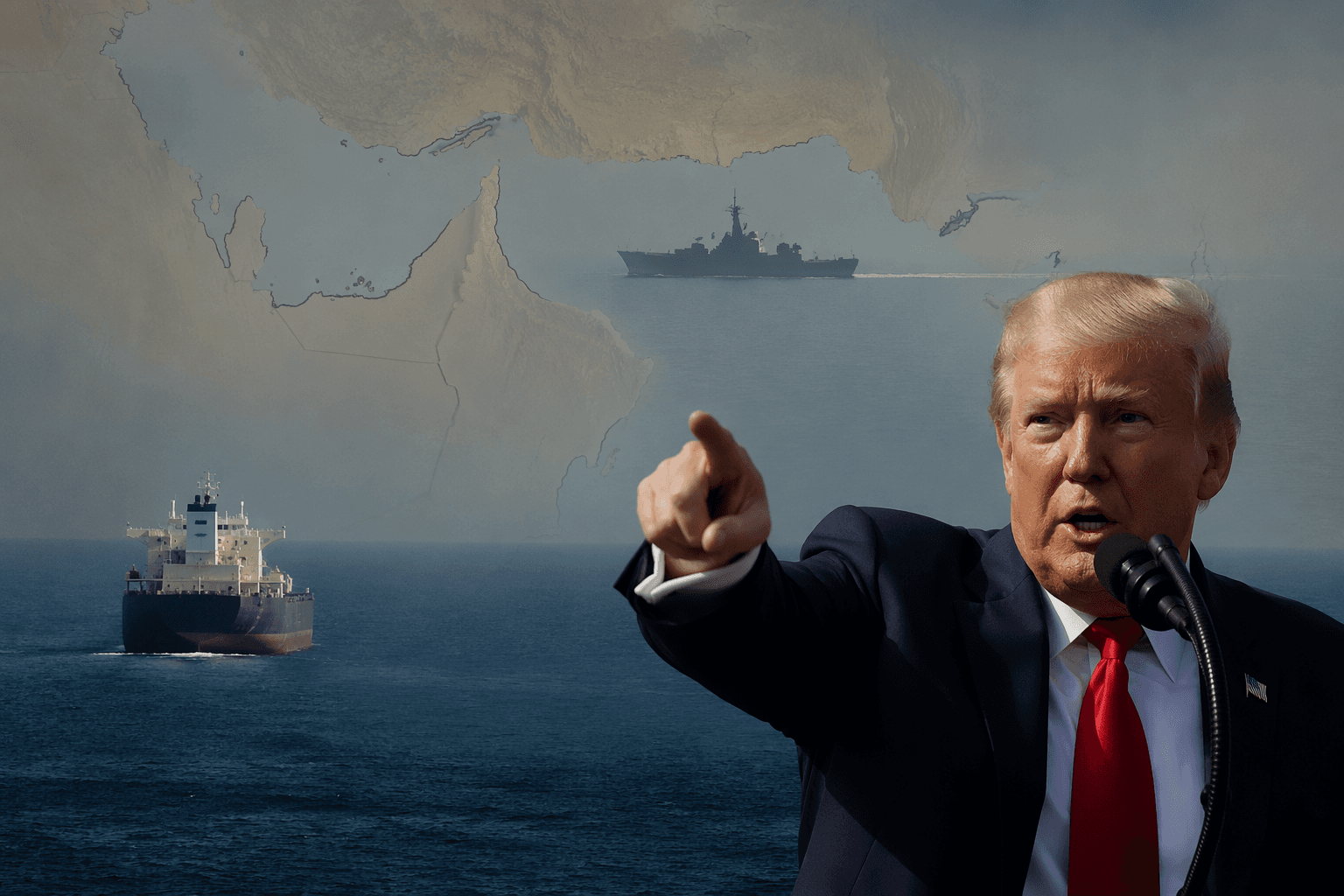
Trump says Iran talks continue, keeps military option open
Trump said Iran talks were still alive at the White House, but he also kept the threat of renewed fighting on the table.

President Donald Trump said the U.S. and Iran were still talking at a White House Cabinet meeting on Wednesday, May 27, but he refused to rule out more war, underscoring how he was trying to project leverage abroad while signaling strength at home.
Trump said Iran was "negotiating on fumes" and told reporters he did not "care about the midterms," arguing he would not rush a deal because of November's elections. He said the real urgency was stopping Iran from getting a nuclear weapon, casting the conflict as a security test rather than a political one.
The messaging around the meeting suggested a more complicated picture. Trump had said on Saturday that a peace deal had been "largely negotiated," even as he warned the U.S. could still "blow them to kingdom come" if the talks collapsed. On Wednesday, he again said the talks were ongoing and left open the option of resuming fighting if needed.
The war with Iran was nearly three months old, and the economic strain was already spreading far beyond Washington. Global markets had been unsettled, gasoline prices had climbed, supply chains had been disrupted and inflation pressures had intensified. One analysis said the conflict had upended energy markets and hit countries across Asia, the Middle East, Africa and Europe especially hard.
Trump also used the meeting to make the dispute sound less like a negotiating calendar than a political proof point. ABC News reported that he appeared to point to Ken Paxton's Texas GOP Senate runoff victory the night before as evidence that voters "understand" his position. That made his claim that politics were not driving his decisions harder to square with the Cabinet-room backdrop and the way he tied his stance to electoral signaling.
The White House talks also showed how unsettled the endgame remained. One AP report said a proposed framework could end the war first, then continue nuclear negotiations for two months, while Trump said he would not accept a short-term deal that left Iran and Oman controlling the Strait of Hormuz. He said the shipping lane would be "open to everybody," sharpening his warning over a chokepoint that carries much of the world's oil.
This article was produced by Prism’s automated news system from verified source data, official records, and press releases, then run through automated quality and moderation checks before publishing. The system is built and supervised by the people who set the standards it runs under. Read our full AI policy.
Know something we missed? Have a correction or additional information?
Submit a Tip