Trump warns Iran and Oman over possible Strait of Hormuz deal
Trump threatened Oman with U.S. force over a possible Strait of Hormuz deal, then quickly said the Gulf partner would be “fine.”
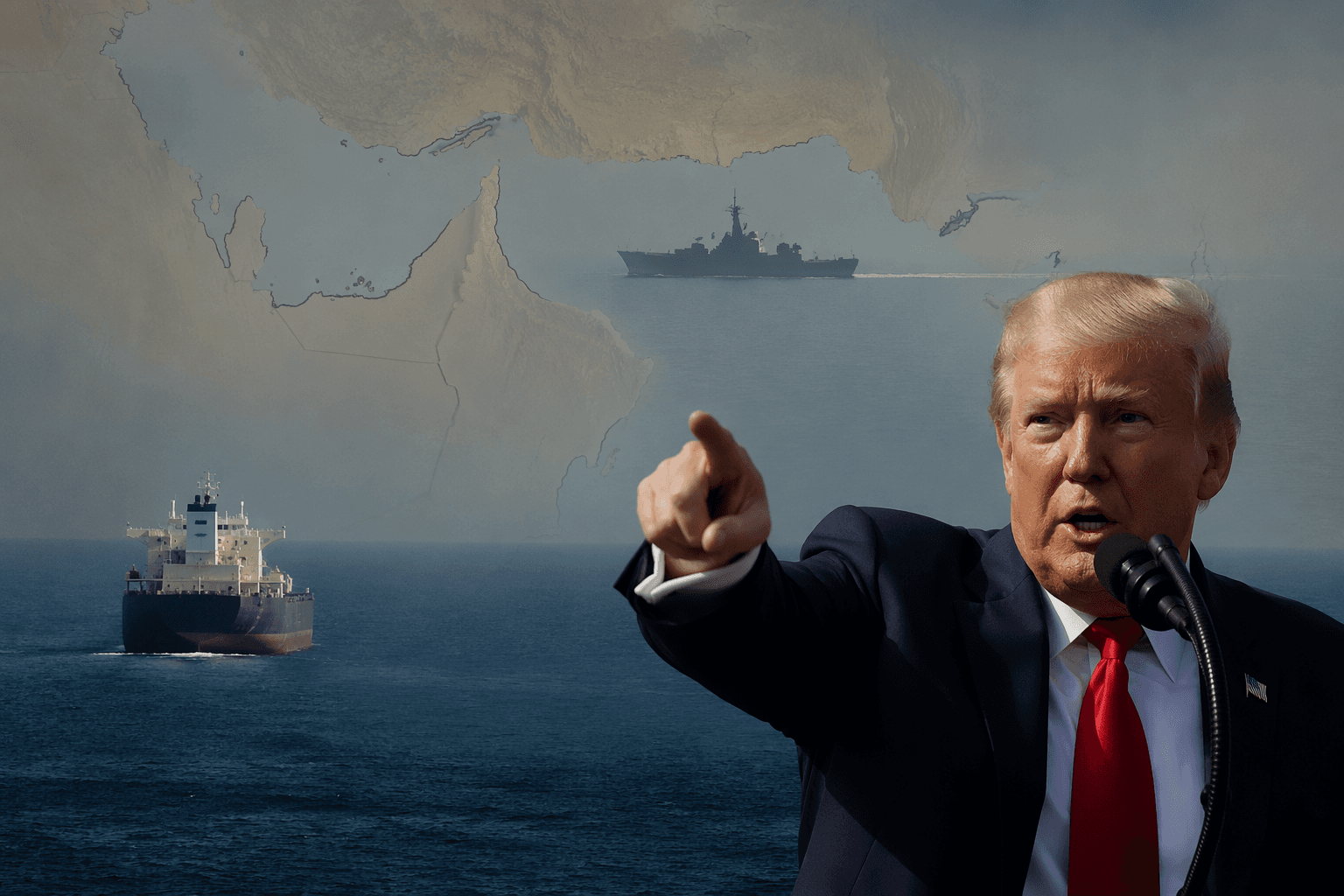
President Donald Trump turned a dispute over one of the world’s most sensitive shipping lanes into a warning shot at a U.S. partner, saying Oman would need to “behave” or the United States would “blow them up,” before quickly softening the threat by adding that “they’ll be fine.”
Trump made the remarks on Wednesday, May 27, 2026, during a White House Cabinet meeting in Washington. He was responding to reports that Iran and Oman might jointly manage shipping through the Strait of Hormuz, a framework tied to efforts to end the conflict and, in some versions of the proposal, to a toll system for vessels passing through the waterway.
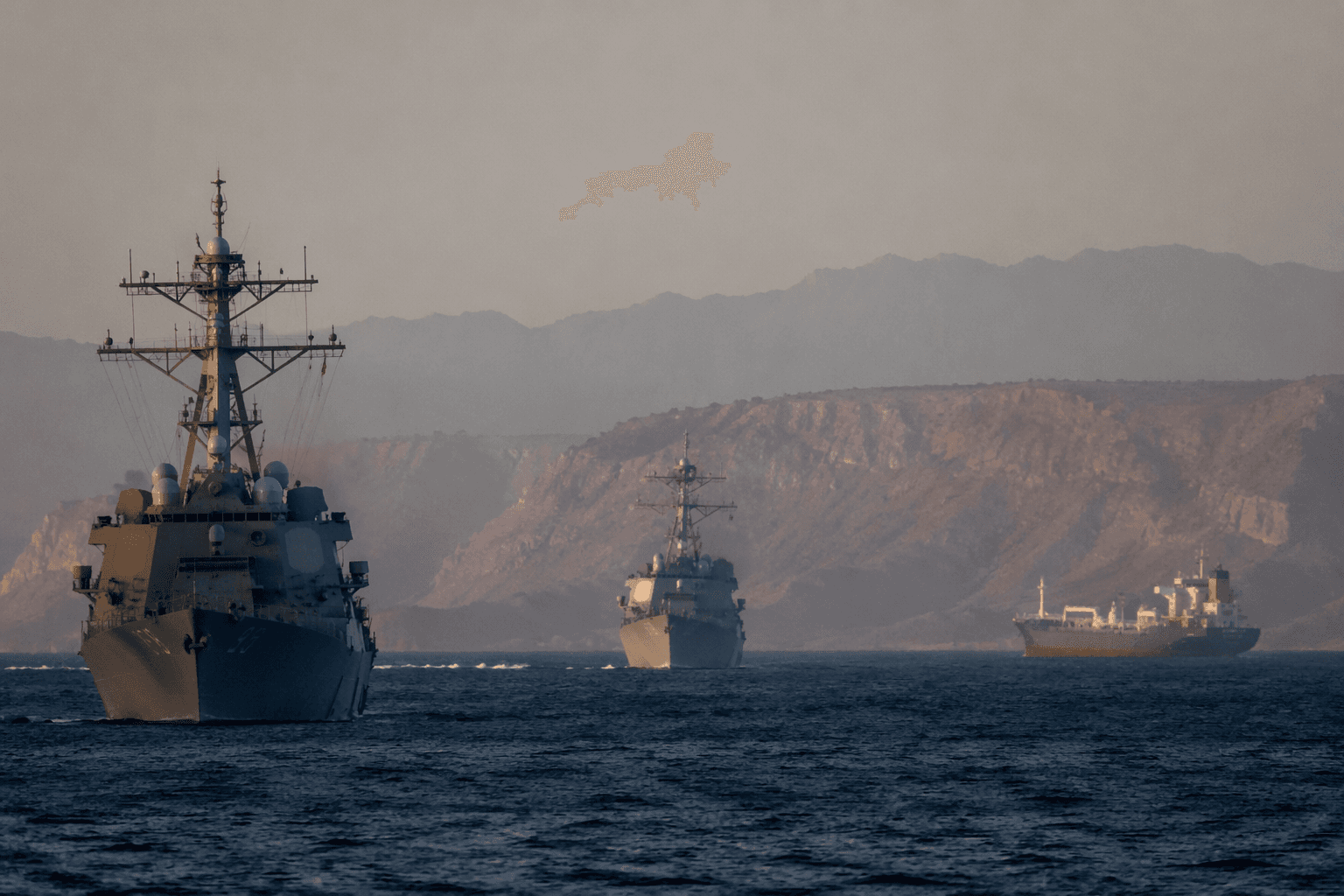
The mixed message mattered because the Strait of Hormuz is not a symbolic flash point. It sits between Iran and Oman and is only about 29 nautical miles wide at its narrowest point, with two-mile-wide shipping lanes and a buffer zone. The International Energy Agency says about 20 million barrels per day of crude oil and oil products passed through the strait in 2025. The U.S. Energy Information Administration has said the waterway averaged 21 million barrels per day in 2022, equal to about 21% of global petroleum liquids consumption.
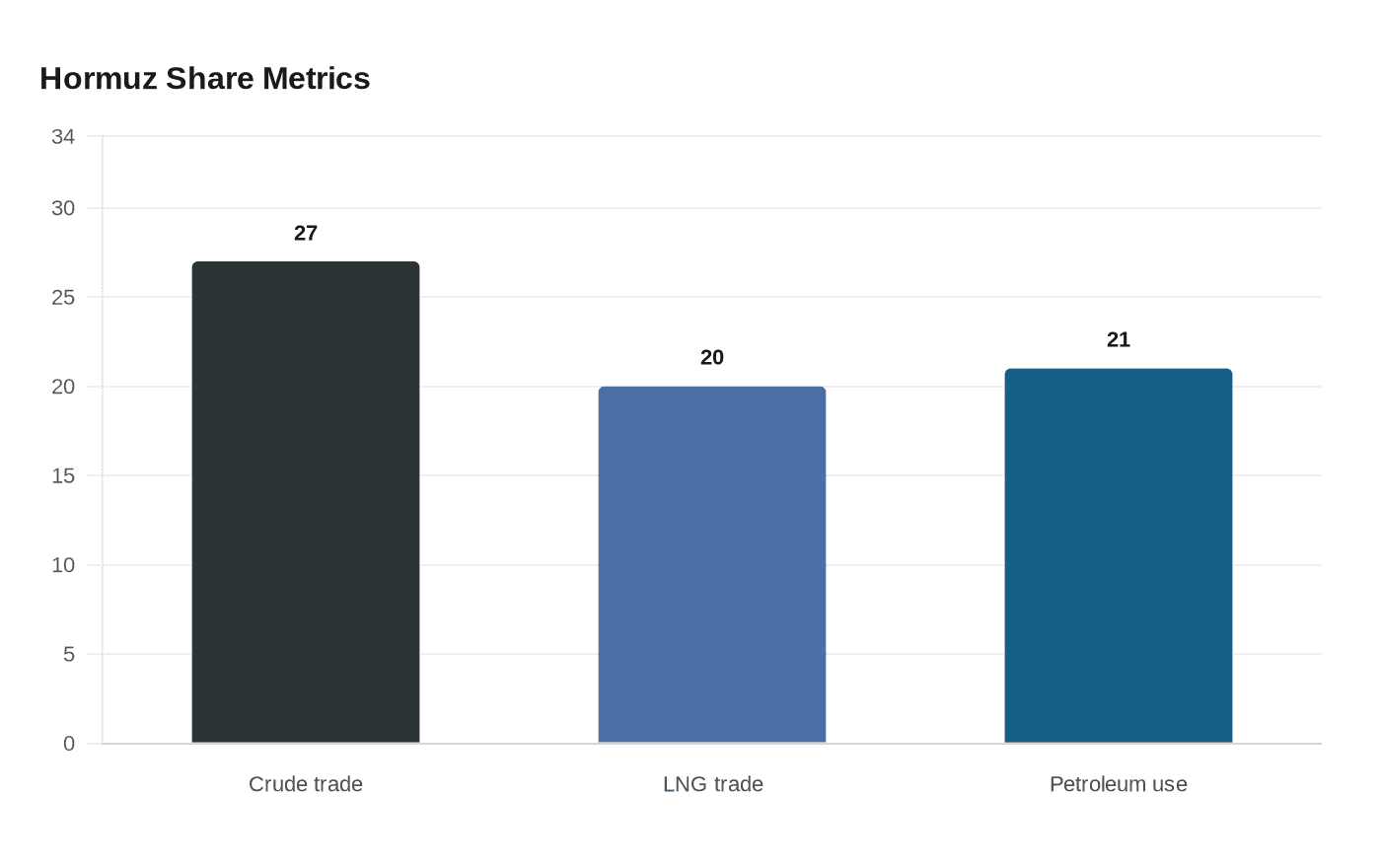
Any change in how the strait is governed, monitored or tolled would ripple far beyond the Gulf. The Congressional Research Service says roughly 27% of global maritime crude and petroleum-product trade passes through the strait, along with about 20% of global LNG trade. That is why even a speculative deal involving Iran and Oman can unsettle energy markets, raise shipping costs and complicate deterrence in a region where the United States relies on close coordination with Gulf partners.
Trump’s comments also put Oman, a longtime U.S. ally, in an awkward position. Muscat has often played mediator in regional disputes, but a public threat from the White House over a possible shipping arrangement with Tehran sharpened the diplomatic stakes. For Iran, the proposal underscored how control over the Strait of Hormuz remains a lever of influence over Gulf producers and global trade routes, from crude oil to liquefied natural gas.
The episode showed how quickly presidential rhetoric can create uncertainty in a corridor that links the Persian Gulf, the Gulf of Oman and the Arabian Sea. In a waterway this narrow and this vital, a threat followed by reassurance is not just noise; it is a signal that can move markets, unsettle allies and blur the line between deterrence and escalation.
This article was produced by Prism’s automated news system from verified source data, official records, and press releases, then run through automated quality and moderation checks before publishing. The system is built and supervised by the people who set the standards it runs under. Read our full AI policy.
Know something we missed? Have a correction or additional information?
Submit a Tip