Trump says Ukraine can make Patriot missiles after Zelensky meeting
Trump moved to let Ukraine make Patriot missiles after meeting Zelensky in Ankara, a reversal with major air-defense and diplomatic stakes.
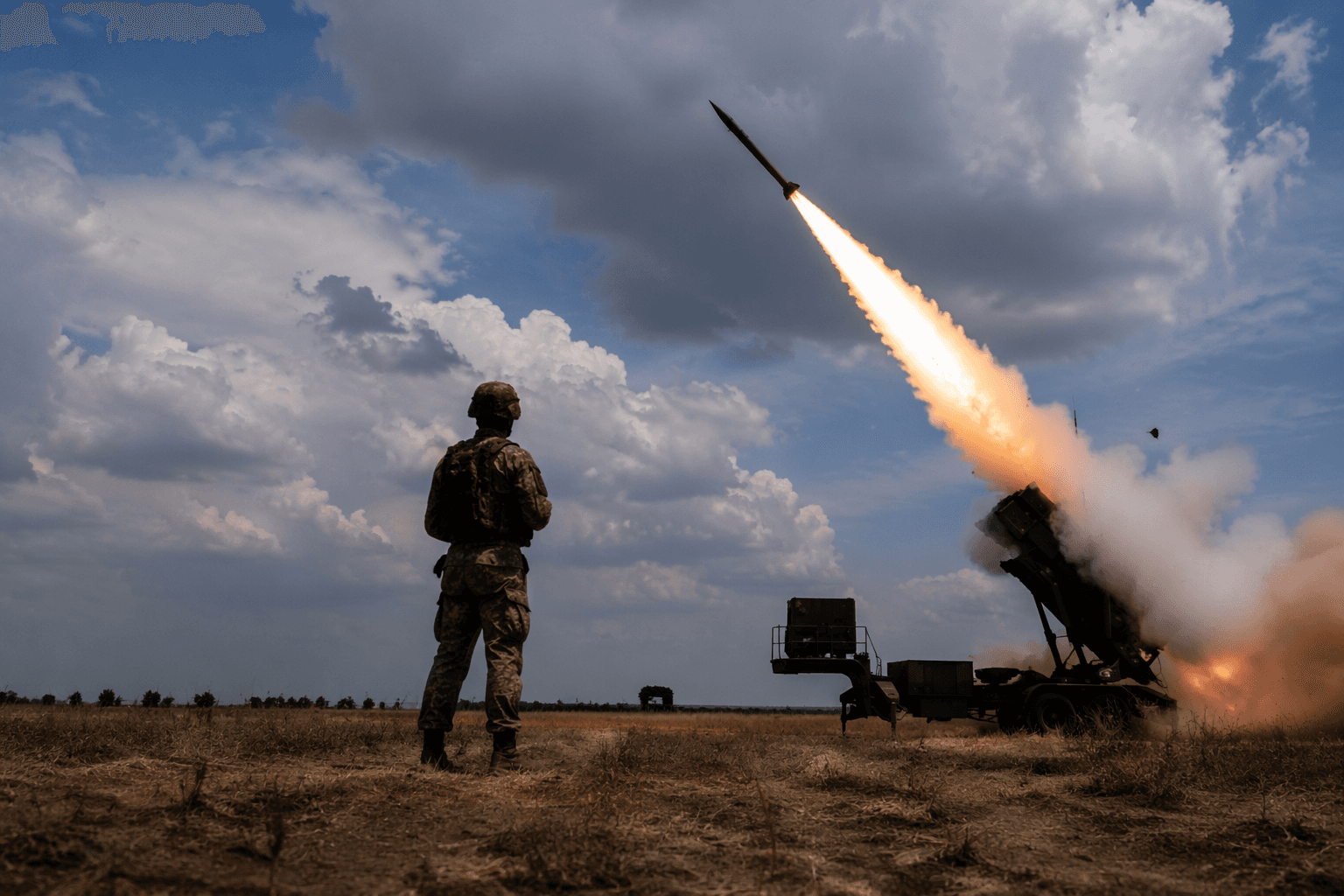
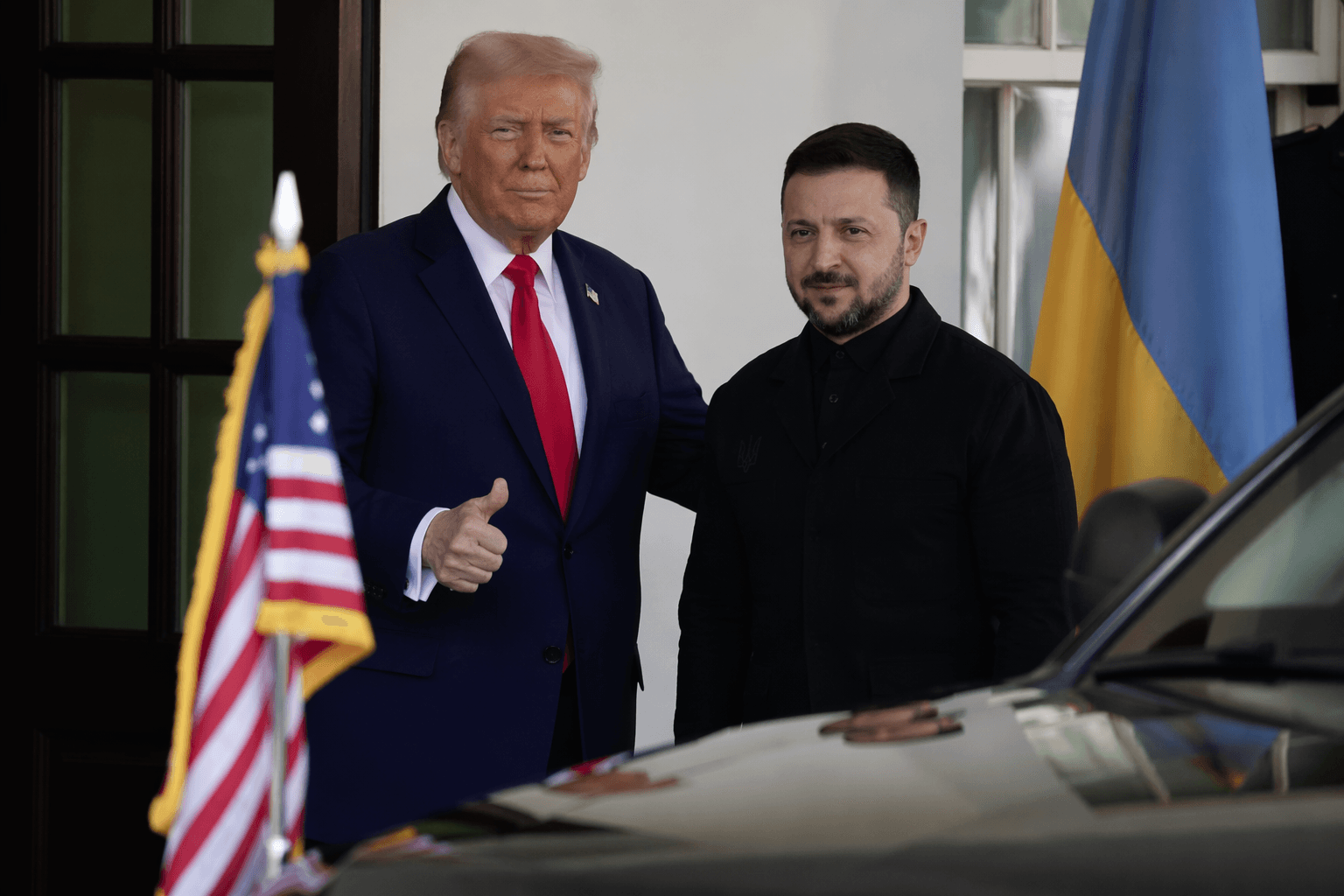
Donald Trump said Ukraine would be allowed to produce Patriot missiles after meeting Volodymyr Zelensky at the NATO summit in Ankara, a sharp break from his earlier public criticism of the Ukrainian president. The announcement came at a summit built around defense investment and industrial output, with NATO leaders pressing for faster weapons production as Russia keeps up its missile campaign.
Trump made the pledge during a bilateral meeting on July 8, saying, “We’re going to give a license to you to make Patriots,” and later describing Patriot systems as defensive weapons. The shift mattered not only because it softened Trump’s tone toward Zelensky, but because it suggested a new willingness to back Ukraine’s long-running push for domestic production of one of its most valuable air-defense systems.
Patriot interceptors are central to Ukraine’s ability to blunt Russian ballistic-missile strikes, yet they are scarce and expensive. A U.S. Congressional Research Service report says official Patriot cost figures are not public, but it cites a December 2022 Center for Strategic and International Studies estimate of about $1.1 billion for a newly produced Patriot battery, including roughly $400 million for the system and about $690 million for interceptors and related missiles. For Ukraine, a production license would matter less as an immediate battlefield fix than as a possible path to rebuilding inventory over time.
That timeline is still the catch. The New York Times said the licensing move could take years to implement, reflecting the hard realities of tooling, supply chains and production ramp-up. Ukraine has already been pressing Washington for permission to make Patriot PAC-3 MSE interceptors, and Zelensky confirmed that request to CBS News on May 29, 2026. Reuters said Ukraine has long sought that authorization.
The political signal was just as striking as the industrial one. The Washington Post described Trump’s comments as a dramatic departure from his earlier acerbic tone toward Zelensky, who has repeatedly sought to keep U.S. backing focused on air defense rather than systems that could be portrayed as more escalatory. Zelensky publicly thanked Trump after the meeting and said he was grateful for the emphasis on strengthening Ukraine’s air defense.
Allies are likely to read the move as an effort to harden Ukraine’s defenses while sharing more of the production burden across NATO’s industrial base. Moscow, by contrast, is likely to see a warning that Kyiv may eventually be able to replenish some of its most prized interceptors with less direct dependence on U.S. stockpiles. Even so, analysts cited by Radio Free Europe/Radio Liberty said the plan may be symbolically important without becoming a quick game changer, because Patriot production is slow and the missiles remain in short supply.
The announcement landed at a NATO summit on July 7-8, 2026, in Ankara, Türkiye, where the Defense Industry Forum underscored the alliance’s focus on expanding weapons output. Trump’s Patriot pledge fit that agenda and marked one of the clearest signs yet that his Ukraine calculation has shifted from public distance toward selective industrial support.
This article was produced by Prism’s automated news system from verified source data, official records, and press releases, then run through automated quality and moderation checks before publishing. The system is built and supervised by the people who set the standards it runs under. Read our full AI policy.
Did this article answer your question?