Trump seeks temporary federal gas tax suspension as prices surge
A 15-gallon fill-up would save about $2.76 if Washington paused the 18.4-cent gas tax, a modest cushion as Iran-driven prices rise.
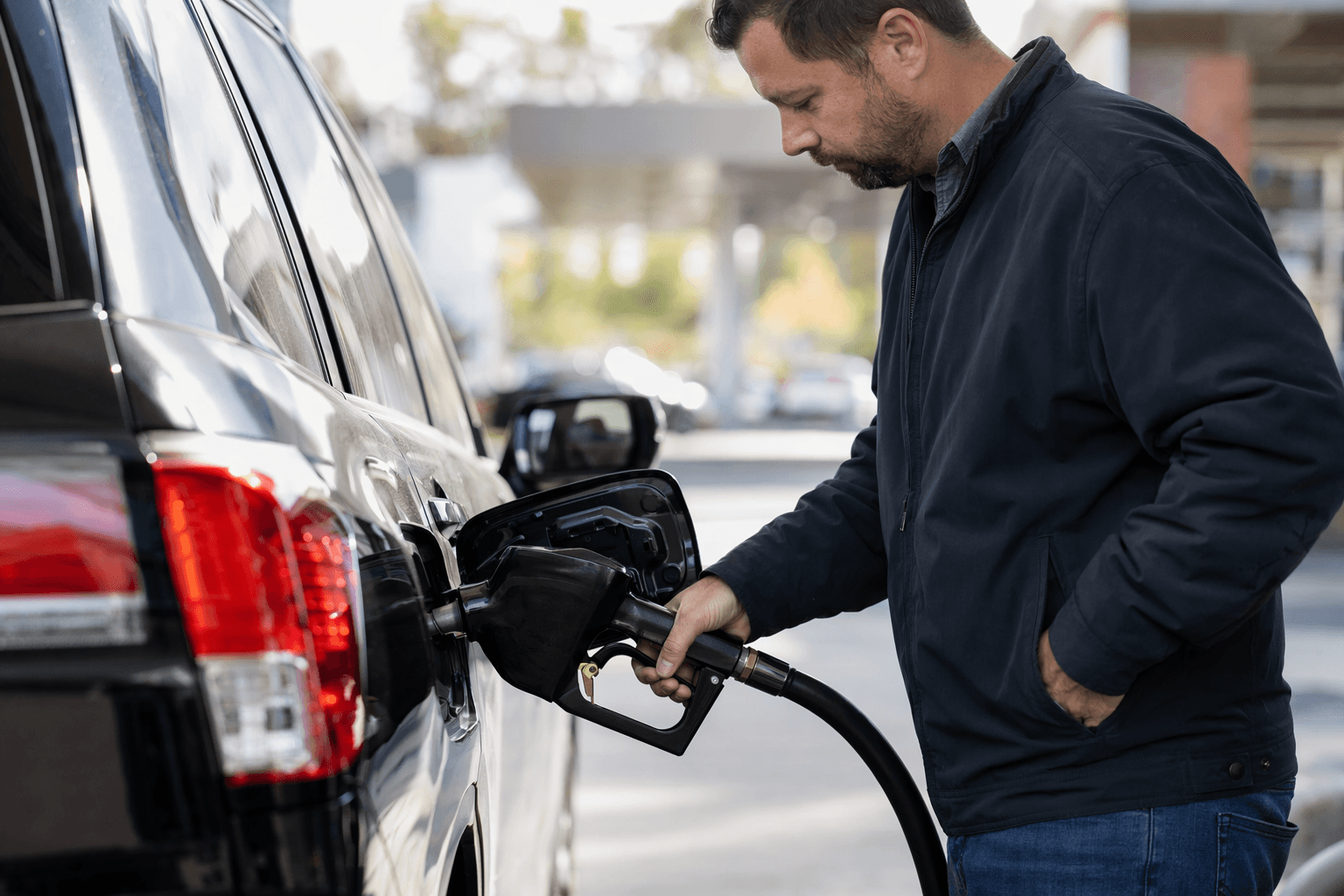
A pause in the 18.4-cent federal gasoline tax would save about $2.76 on a 15-gallon fill-up, or about $11.04 over four similar fill-ups in a month. That is the scale of the relief Donald Trump is now seeking as the conflict with Iran pushes gasoline prices higher, and it shows why the idea is popular in politics but limited in a driver’s wallet.
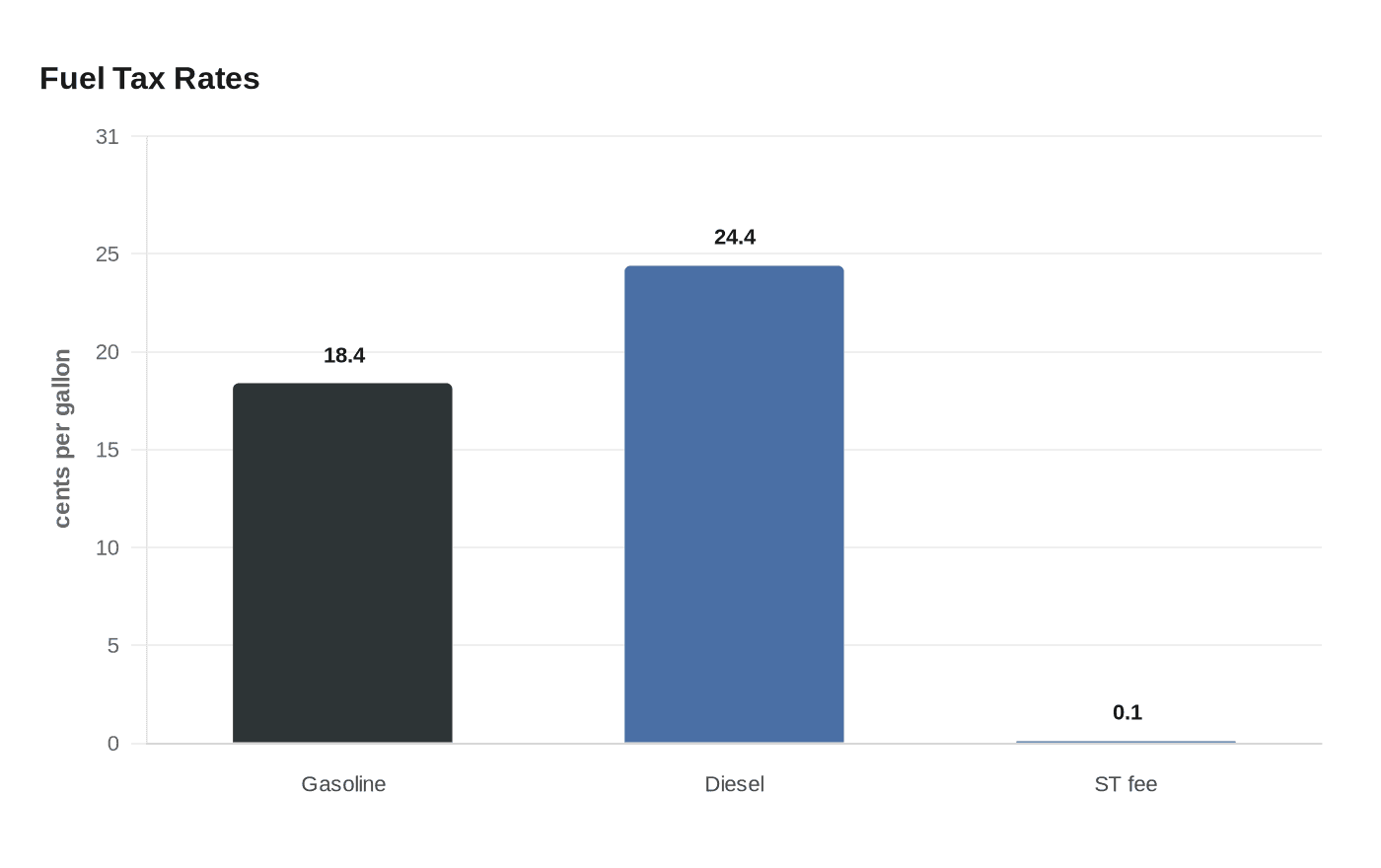
Trump said in a phone interview with CBS News Monday morning that he wants to suspend the federal gas tax “for a period of time,” adding, “We’re going to take off the gas tax for a period of time, and when gas goes down, we’ll let it phase back in.” CBS News reported that such a move would require congressional approval. The federal gasoline tax is set at 18.4 cents per gallon, while the diesel tax is 24.4 cents per gallon. The gasoline levy includes a 0.1-cent Leaking Underground Storage Tank fee, according to the U.S. Energy Information Administration.
The tax has been unchanged at 18.4 cents per gallon since 1993, and because it is not indexed to inflation, its real value has steadily eroded. That also means a suspension would not wipe out the tax burden embedded in pump prices; it would simply remove a small federal slice from a much larger total. Tax and transportation experts have long said that is why gas-tax holidays feel more dramatic than they are. The federal levy is small relative to the price drivers actually pay.
The bigger consequence would land on the Highway Trust Fund, which relies on fuel-tax revenue to help pay for highway construction and transportation projects. In 2022, industry and infrastructure groups including the American Trucking Associations and the American Society of Civil Engineers opposed a holiday because of that funding risk. Without a replacement revenue source, a suspension would shift the burden somewhere else or weaken transportation financing.
Washington has tried this before. On June 22, 2022, President Joe Biden asked Congress to suspend the gasoline tax for three months, from July through September, when prices were near $5 a gallon nationally during Russia’s war in Ukraine. The Congressional Research Service said no legislation followed. The White House estimated the proposal would cost the Highway Trust Fund about $10 billion over three months.
Penn Wharton Budget Model later estimated that a March-to-December 2022 suspension would have lowered average gasoline spending per capita by only $16 to $47, while cutting federal tax revenue by about $20 billion. That history is why Trump’s proposal looks less like a durable answer to a price spike than a short-term political response, even as his administration has also moved to ease summer fuel rules by allowing E15 sales during the summer.
Know something we missed? Have a correction or additional information?
Submit a Tip