Trump Signs $901 Billion National Defense Authorization, Shrinks Ukraine Aid
President Trump signed the fiscal 2026 National Defense Authorization Act into law in mid December, authorizing roughly $901 billion in military spending and marking the 65th consecutive year Congress has passed the annual defense policy bill. The legislation increases targeted Air Force procurement and includes provisions reshaping U.S. assistance to Ukraine, changes that will affect defense industrial planning and allied security arrangements.
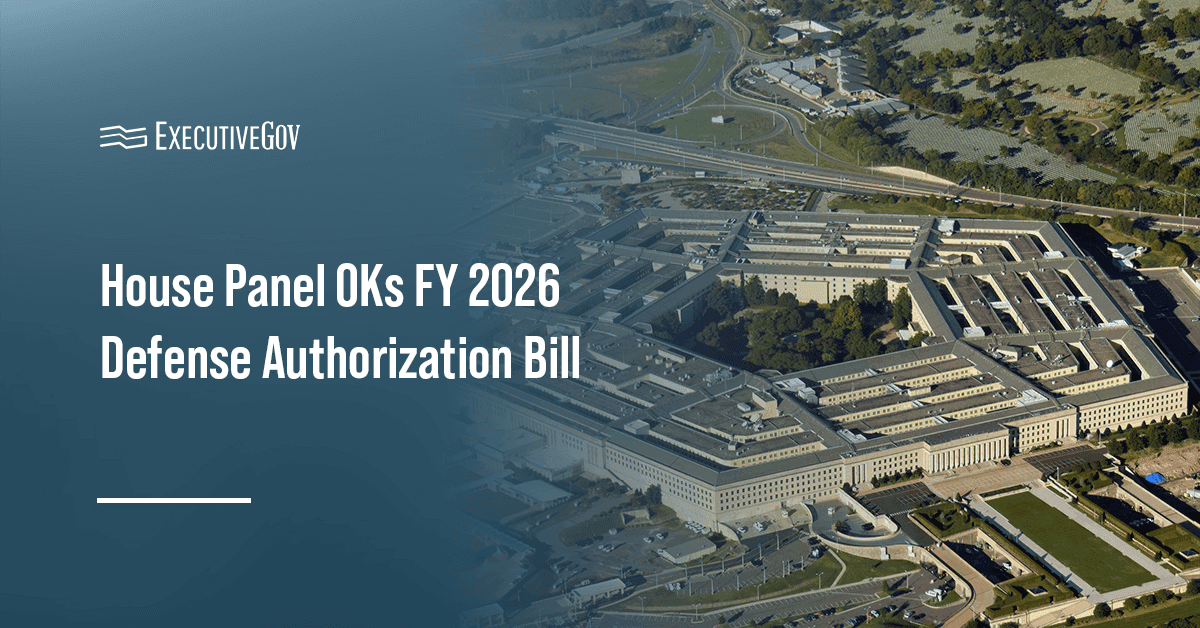
President Donald Trump signed the fiscal 2026 National Defense Authorization Act in mid December, enacting roughly $901 billion in defense authorizations for the coming fiscal year and continuing a long congressional practice of annual defense policy legislation. A White House statement said, “Today, I have signed into law S. 1071, the ‘National Defense Authorization Act for Fiscal Year 2026’ (the ‘Act’),” providing formal confirmation of the presidential action taken in mid December.
Congressional records list the measure under S. 2296, and official metadata from legislative trackers show the Senate approved the bill on October 9 with a 77 to 20 vote, recorded as Senate Record Vote Number 570. The House completed action in mid December before the presidential signature, sustaining a streak that now reaches 65 consecutive years of Congress passing an annual defense policy bill.
The statute is expansive, running to more than 3,000 pages and authorizing broad procurement, modernization and policy authorities across the services. Top line authorization totals near $901 billion, reflecting commitments to weapons procurement, shipbuilding and advanced systems. The bill incorporates provisions intended to shore up industrial capacity and accelerate technology transition, measures described by defense analysts as efforts to bridge a longstanding acquisition gap known within Pentagon circles as the Valley of Death.
The Air Force receives specific attention in the statute. Service advocacy reporting identifies an increase in Air Force procurement authorizations to $28.1 billion, roughly $800 million above the previous year. Line items include authority for executive airlift procurement of a C 40 aircraft, authorization for a new LC 130 Skibird cargo aircraft, funding for F 35A spare parts, and procurement authorities for additional Joint Strike Missiles and Joint Air to Surface Standoff Missiles. Those targeted authorizations are likely to influence program schedules and spare parts logistics over the next fiscal year.
One of the most consequential policy departures in the law is the marked reduction in funding for the Ukraine Security Assistance Initiative. The act allocates $400 million for that program, a steep contraction from the nearly $14 billion in Ukraine related aid enacted by Congress in 2024. The administration did not seek new USAI funding in its budget request and has signaled a strategy of facilitating partner to partner transfers, encouraging European governments and defense companies to provide systems for Ukraine rather than relying on large direct U.S. appropriations. That shift alters how Washington plans to sustain allied support and places greater emphasis on foreign military sales and partner capacity.
The enactment reinforces the central role of the NDAA as both a budgetary and policy instrument, balancing service modernization needs, industrial base resilience and geopolitically sensitive assistance programs. Lawmakers and Pentagon leaders will now move from authorization to the appropriations process where Congress must allocate funds and defense components must align procurement and sustainment plans. The bill number discrepancy between the White House statement identifying S. 1071 and congressional trackers listing S. 2296 remains an administrative irregularity in the public record, but it does not affect the statute taking effect following the presidential signature.
This article was produced by Prism’s automated news system from verified source data, official records, and press releases, then run through automated quality and moderation checks before publishing. The system is built and supervised by the people who set the standards it runs under. Read our full AI policy.
Did this article answer your question?