Trump signs order loosening access rules on federal lands
Trump’s order scrapped two old directives on off-road vehicles, setting up a fight over whether public lands should mean wider access or weaker protections.

Donald Trump’s executive order moved to loosen access rules on federal lands by scrapping two long-standing directives that had governed off-road vehicle use for decades. The White House said the change would clear away vague restrictions and let agencies rely more on modern mapping tools and existing land-management law, a shift that could open more remote terrain to recreation, energy development, timber activity, and infrastructure work.
The order, published on May 29, 2026, rescinded Executive Order 11644, signed by Richard Nixon on February 8, 1972, and Executive Order 11989, signed by Jimmy Carter on May 24, 1977. The 1972 order told agencies to protect resource values, public health, safety, and welfare, while minimizing conflicts among land uses. Federal rules built on that directive created the familiar open, limited, and closed system for off-road vehicles on Bureau of Land Management lands.

That framework still matters on the ground. The Bureau of Land Management says all of its surface jurisdiction lands are covered by one of those designations, and its Public Lands Access Data project is designed to improve legal access information through GIS mapping. Trump’s order pushed agencies to rescind or revise regulations based on the older orders, which means more areas could be opened to off-road use if administrators decide the earlier standards were too subjective to apply consistently.
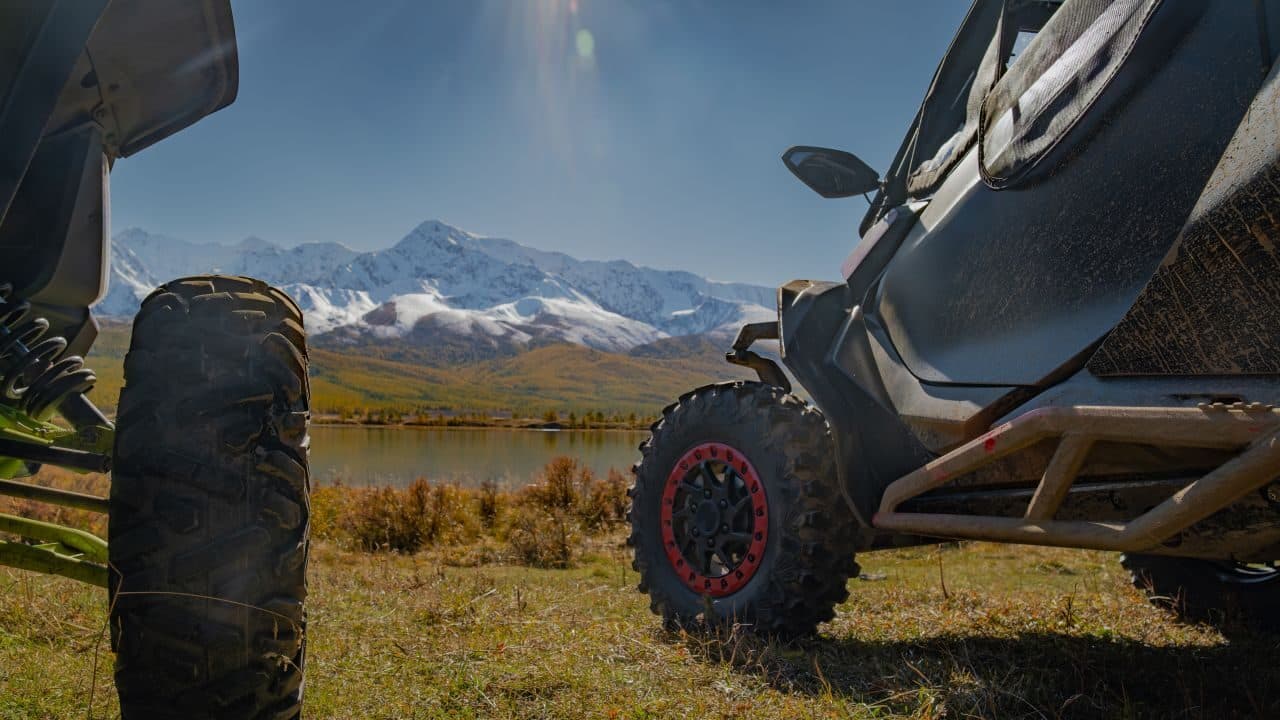
The White House argued that the old minimization criteria created unnecessary barriers for rural economies, permitting, tourism, manufacturing, organized motorsports, and volunteer stewardship efforts. It also said current environmental and land-management laws already give agencies enough tools to protect resources without relying on the older language about avoiding adverse effects on scenic and aesthetic values. In practical terms, the administration framed the order as a broader definition of public access, one that weighs recreation, grazing, energy development, and local economic activity more heavily than the limits imposed by the prior rules.

Conservation groups are likely to challenge that view first. Reporting cited criticism from the Center for Western Priorities, while National Parks Traveler raised concerns that the change could affect Bureau of Land Management and U.S. Forest Service lands, and possibly some National Park System units as well. The order landed alongside Interior Department actions on May 26, 2026, that expanded hunting and fishing access across federal lands and waters, underscoring a wider push to ease restrictions while heightening the coming clash over erosion, habitat damage, and conflicts between motorized users and conservation interests.
This article was produced by Prism’s automated news system from verified source data, official records, and press releases, then run through automated quality and moderation checks before publishing. The system is built and supervised by the people who set the standards it runs under. Read our full AI policy.
Did this article answer your question?