Trump Struggles to Find CDC Director Nominee Aligned With MAHA Agenda
The White House missed its March 25 statutory deadline to name a permanent CDC director, leaving NIH chief Jay Bhattacharya in a legal limbo overseeing both agencies.
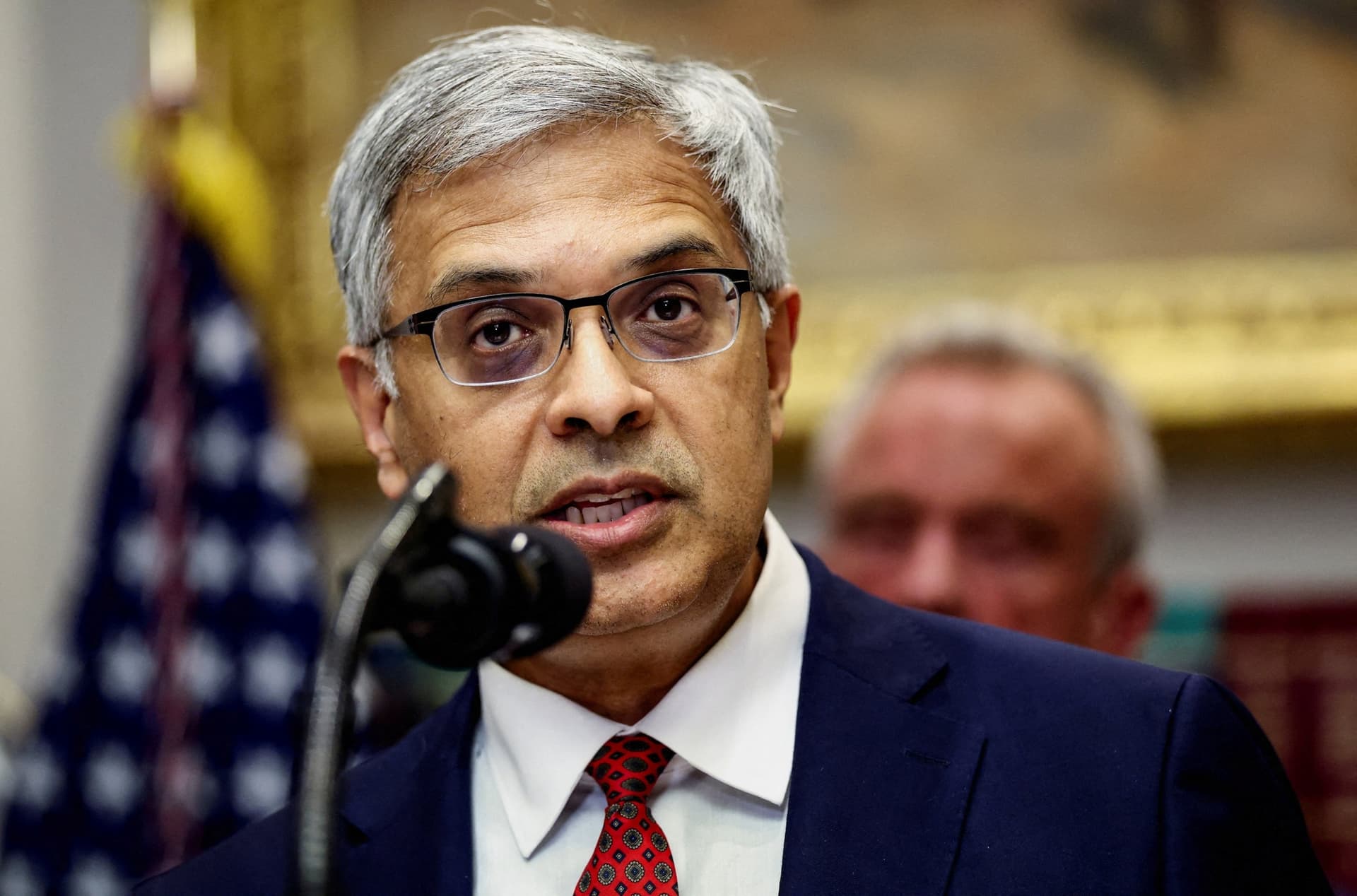
The White House did not meet its deadline to nominate the next director of the Centers for Disease Control and Prevention, capping months of leadership instability at the Atlanta-based agency and laying bare the administration's core political dilemma: finding someone who can satisfy the "Make America Healthy Again" mindset of Health Secretary Robert F. Kennedy Jr.'s department while also appeasing a set of stick-to-science senators increasingly unhappy with Kennedy's direction.
Dr. Jay Bhattacharya had been acting director of the CDC, but that title expired Thursday under federal law. HHS spokesman Andrew Nixon said Bhattacharya "will continue to oversee the CDC by performing the delegable duties of the CDC director." Bhattacharya also serves as director of the National Institutes of Health, making him one of the few officials in memory simultaneously steering two of the federal government's most consequential health agencies.
The vacancy traces directly to the August 2025 firing of Susan Monarez, who was sworn in as CDC director on July 31 and lasted less than a month in the Senate-confirmed post. Monarez said in a hearing that she was dismissed for not signing off on recommendations of Kennedy's vaccine advisers ahead of time and for refusing to fire career officials who disagreed with him. Kennedy later told the Senate Finance Committee that Monarez was removed because she told him she was not trustworthy.
Her termination sparked a near-immediate leadership exodus from the CDC. At least four top officials announced their resignations, including Dr. Debra Houry, the chief medical officer; Dr. Demetre Daskalakis, director of the National Center for Immunization and Respiratory Diseases; Dr. Daniel Jernigan, the director of the National Center for Emerging and Zoonotic Infectious Diseases; and Dr. Jennifer Layden, director of the Office of Public Health Data, Surveillance and Technology. None of those roles has been filled.
Republican Sen. Thom Tillis of North Carolina admonished Kennedy for the firing and wasting the Senate's time. Monarez's firing was the beginning of Cassidy and other Republicans questioning the direction of health policy in the Trump administration. Their votes matter: Republicans hold a slim 12-11 majority on the Senate Health, Education, Labor and Pensions Committee, where any nomination will land, and key senators say they want a moderate public servant who will last longer in the job than the administration's initial choice.
The administration has already burned through one failed nomination. Trump's first nominee, former Congressman Dave Weldon, was about to start his Senate confirmation hearing when his nomination was pulled, in large part because of earlier vaccine criticism.
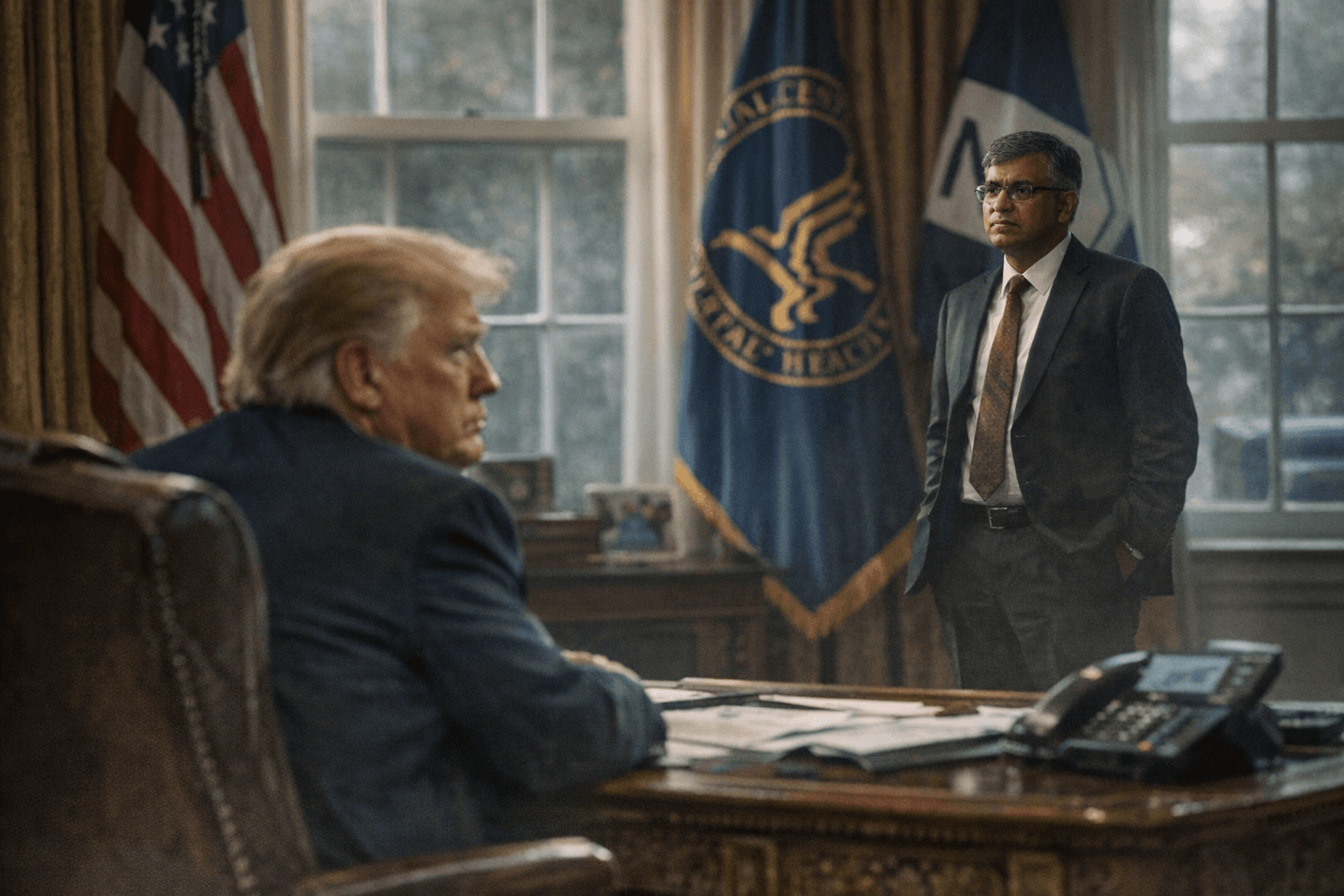
Ernie Fletcher, a family physician and former governor of Kentucky, and Joseph Marine, a cardiologist at Johns Hopkins Medicine, are among the candidates on the short list. The two represent opposing poles of the administration's dilemma. Fletcher is seen as a more conventional choice; he has not expressed many public views on vaccination and holds a medical degree from the University of Kentucky. His credentials fit with the administration's recent pullback from vaccine criticism, which began after Republican-led polling showed the shots are popular even among MAHA supporters. Marine is more aligned with the MAHA movement and has been skeptical of the need for repeated doses of COVID-19 vaccines.
Even as the search drags on, the CDC's operational paralysis deepens. Projects have floundered in a holding pattern awaiting funding, with supplies expiring or getting thrown out as staff members wait for word on whether work can move forward. Since the Monarez firing, the United States has seen a surge in measles, whooping cough and flu infections, all of which are vaccine-preventable.
Loopholes offer ways around the 210-day statutory limit. These periods are generally understood to run independently, so the submission and pendency of a nomination allows an acting officer to serve beyond the initial period, potentially extending acting service for years, according to the Congressional Research Service. Richard Besser, who served as acting CDC director during the Obama administration, explained that the administration could also quickly submit and then withdraw a nominee, resetting the clock entirely.
HHS chief counselor Chris Klomp said at a recent event that he wants a CDC director with "unassailably high moral integrity who is deeply experienced and ... is qualified to lead a staggeringly complicated and essential government agency." Whether the administration can find that person, confirm them through a skeptical Senate, and keep them in the job remains an open question the CDC's battered workforce is waiting to have answered.
Know something we missed? Have a correction or additional information?
Submit a Tip

