Trump swears in Kevin Warsh as Fed chair amid rate fight
Trump installed Kevin Warsh at the Fed’s helm as policymakers warned inflation risks were still tilted higher and more tightening could be needed.

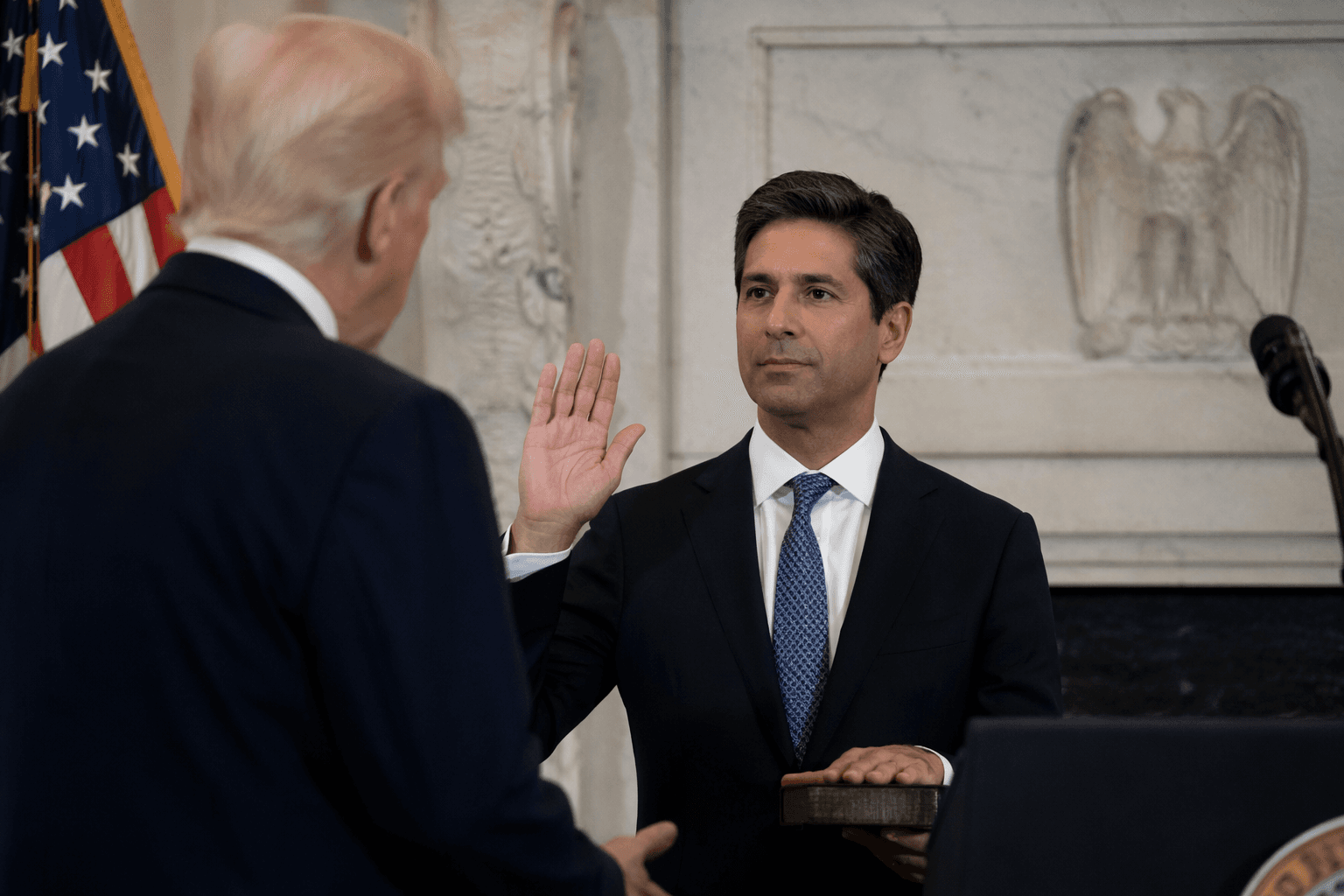
Donald Trump installed Kevin Warsh as Federal Reserve chair at the White House, handing the central bank to a longtime advocate of lower rates just as policymakers were signaling that inflation had not yet been fully tamed.
Warsh’s confirmation cleared the Senate on May 13 by a 54-45 vote, with John Fetterman the only Democrat to support him. That narrow margin underscored the political divide around a job that has become a test of whether the Fed can keep its independence intact while the White House presses for easier money and faster growth.
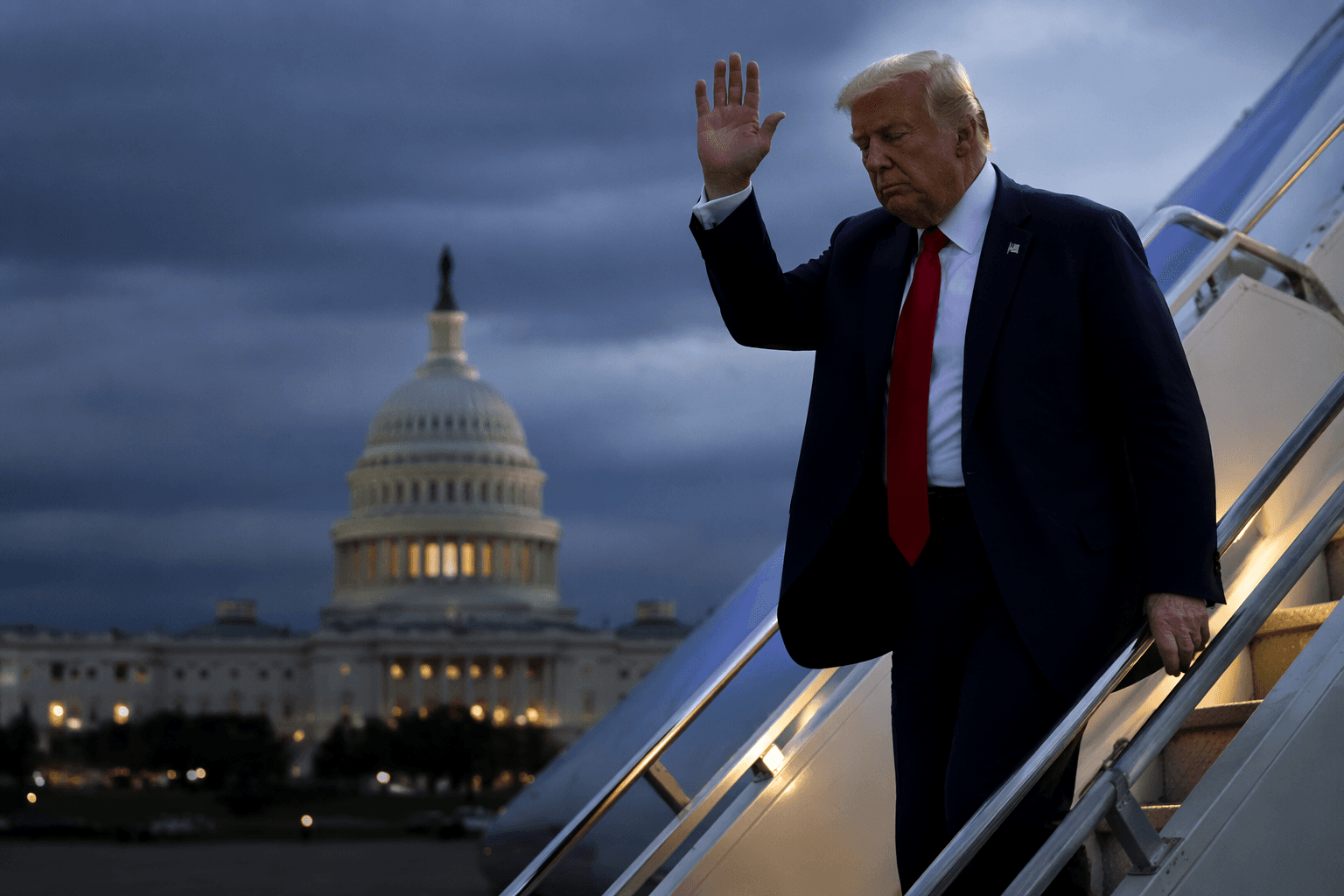
The choice also gave Trump a chairman aligned with his own critique of Jerome Powell. Trump has repeatedly attacked Powell for keeping rates too high, calling him “Too Late” and, at one point, “That jerk will be gone soon.” Powell’s term as chair ends in May 2026, but he remains on the Board of Governors until January 2028, leaving Warsh to lead the Fed while his predecessor stays inside the institution.
Warsh arrives with deep Fed credentials. He served as a governor from 2006 to 2011 and was the youngest member of the board when he was appointed at age 35 in the George W. Bush administration. He has long argued for lower interest rates and for shrinking the Fed’s balance sheet, positions that fit closely with Trump’s broader economic message and his push for more accommodative policy.
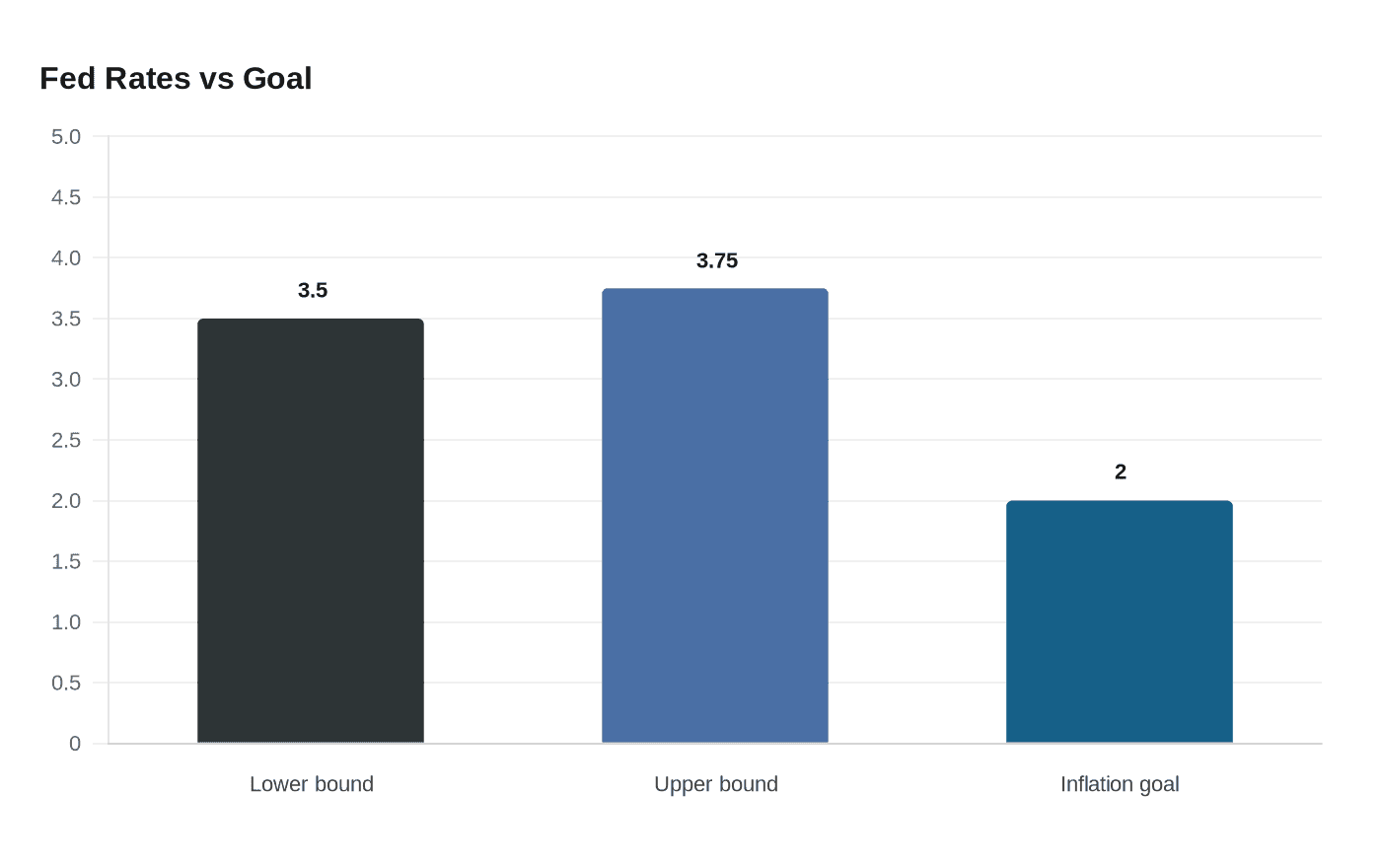
The timing is critical. At its April 28-29 meeting, the Federal Open Market Committee left the benchmark federal funds target range unchanged at 3.50% to 3.75%. Minutes released May 20 said a majority of officials thought some additional policy firming would likely be appropriate if inflation remained persistent, and they saw inflation risks tilted to the upside. Officials also raised concern that higher energy and input costs tied to the Middle East conflict could slow the return to the Fed’s 2% inflation goal.
Warsh told senators during his confirmation hearing on April 21 that he would preserve the central bank’s autonomy, but the expectations surrounding his appointment are already intense. Former Fed officials have pushed back on his plan to shrink the balance sheet, arguing that the bigger question is how the Fed uses it in future shocks, not just how large it is. Reuters has also reported that rising federal debt could limit how far Warsh can reduce the central bank’s footprint in financial markets, while questions about the Fed’s global crisis-fighting role have raised fresh concern among central banking peers.
Know something we missed? Have a correction or additional information?
Submit a Tip