Trump tariffs and troop drawdown deepen Germany-U.S. rift
Trump’s 25% auto tariff threat and a 5,000-troop pullback turned Merz’s first year into a test of Germany’s reliance on Washington.
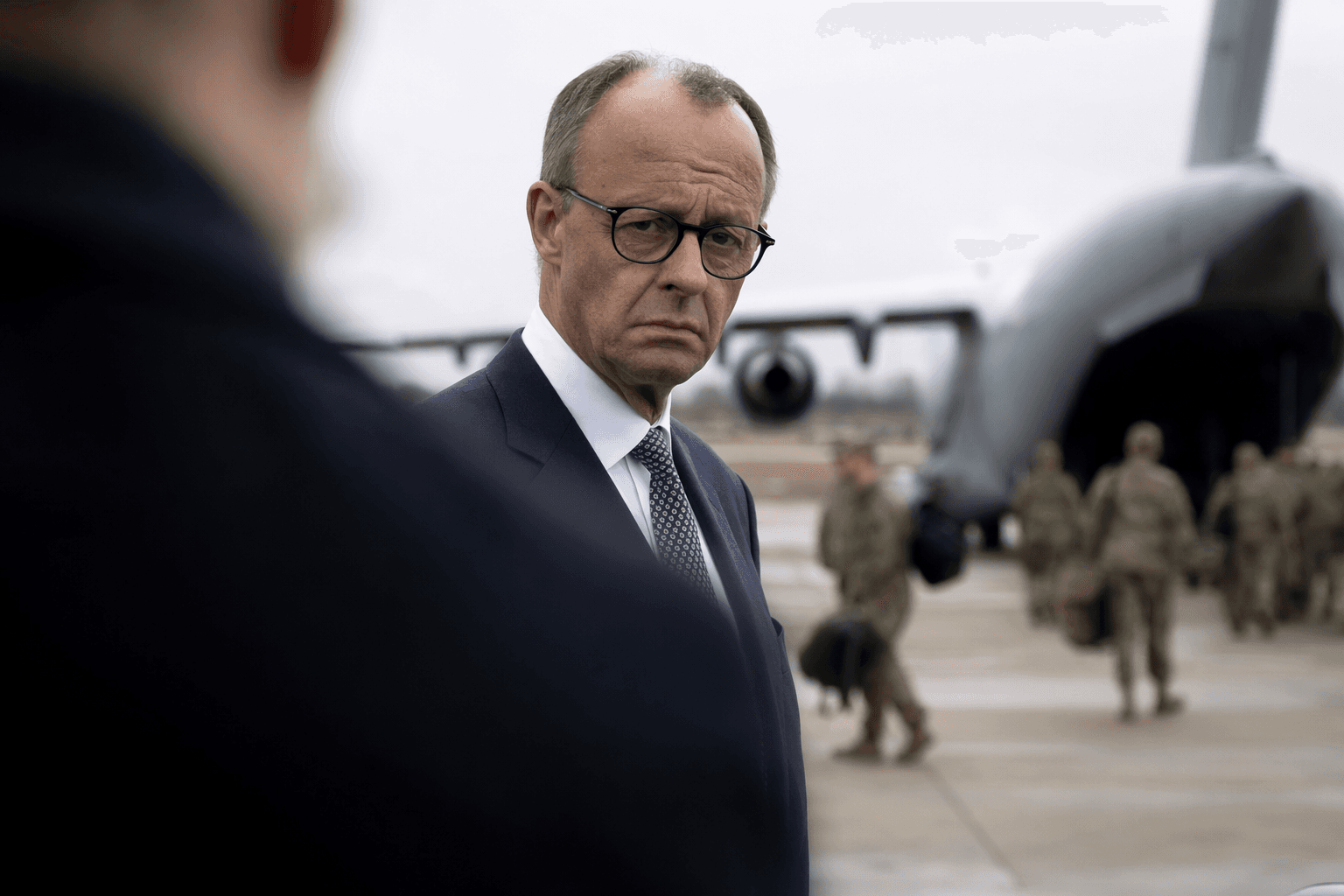
Donald Trump’s threat to slap 25% tariffs on European autos and pull 5,000 U.S. troops out of Germany has turned Friedrich Merz’s first year in office into a blunt measure of how far Berlin can still rely on Washington. The twin moves hit Germany where it is most exposed, in its car industry and in the U.S. military footprint that has anchored European security for decades.
The troop reduction, announced by the Pentagon, would unfold over six to 12 months and leave Germany with a smaller American presence than it has had since before Russia’s 2022 invasion of Ukraine triggered a U.S. buildup under Joe Biden. Germany currently hosts about 35,000 active-duty U.S. personnel, the largest U.S. military presence in Europe. The drawdown also means a Biden-era plan to deploy a U.S. battalion with long-range Tomahawk missiles to Germany has been dropped, another sign that the security assumptions built after the Cold War are being rewritten in Washington.
The timing of the decision sharpened the political insult in Berlin. Trump acted after Merz criticized U.S. strategy in the Iran war, saying the Americans were being “humiliated” by Iran and questioning Washington’s exit strategy. Trump fired back that Merz “doesn’t know what he’s talking about.” For Merz, the episode is more than a personal clash. It has become a test of whether Germany can protect its core interests when the White House is willing to treat allies as transactional rather than automatic partners.
The economic damage could be just as immediate. The Kiel Institute for the World Economy estimated that Trump’s tariff threat could cost Germany nearly 15 billion euros, or $17.58 billion, in output, with longer-term losses reaching around 30 billion euros. The institute said German growth would be only 0.8% this year. Germany’s auto industry association, VDA, warned that 25% tariffs on passenger cars and light commercial vehicles would send a “disastrous signal” for free, rules-based trade and global supply chains. German carmakers fell after the announcement, underscoring how quickly trade policy can hit markets.
Merz has tried to keep the relationship intact, saying he remains committed to the transatlantic link and that there is “no connection” between the Iran dispute and the troop decision. But the political mood in Berlin has darkened. Finance minister Lars Klingbeil said leaders can see what is happening with Trump and the United States, while China is also growing stronger. Defense minister Boris Pistorius called the troop drawdown “foreseeable” and said Europe must take more responsibility for its own security. Two top Republican lawmakers, Sen. Roger Wicker and Rep. Mike Rogers, said they were “very concerned” and argued the troops should stay in Europe, while NATO said it was working with Washington to understand the details.
This article was produced by Prism’s automated news system from verified source data, official records, and press releases, then run through automated quality and moderation checks before publishing. The system is built and supervised by the people who set the standards it runs under. Read our full AI policy.
Did this article answer your question?