Trump Tells Nations to Buy U.S. Oil or Take It From the Strait
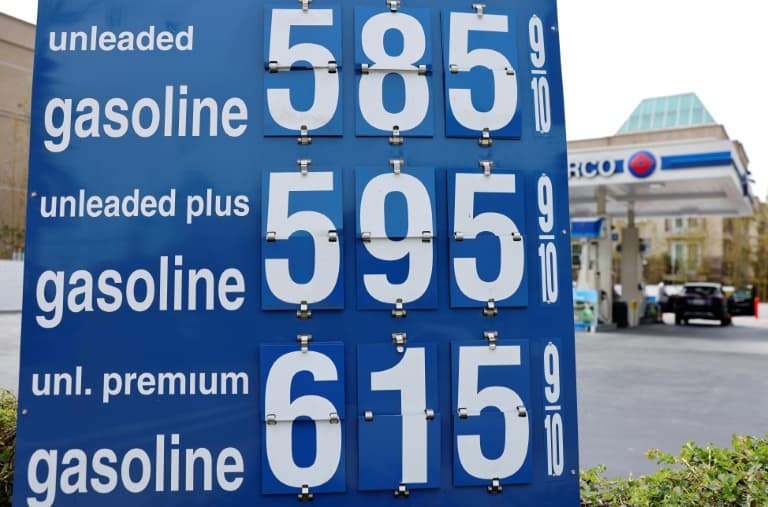
Trump told allied nations to seize their own oil from the Strait of Hormuz or buy American, as U.S. gas prices hit $4.02 per gallon for the first time since 2022.
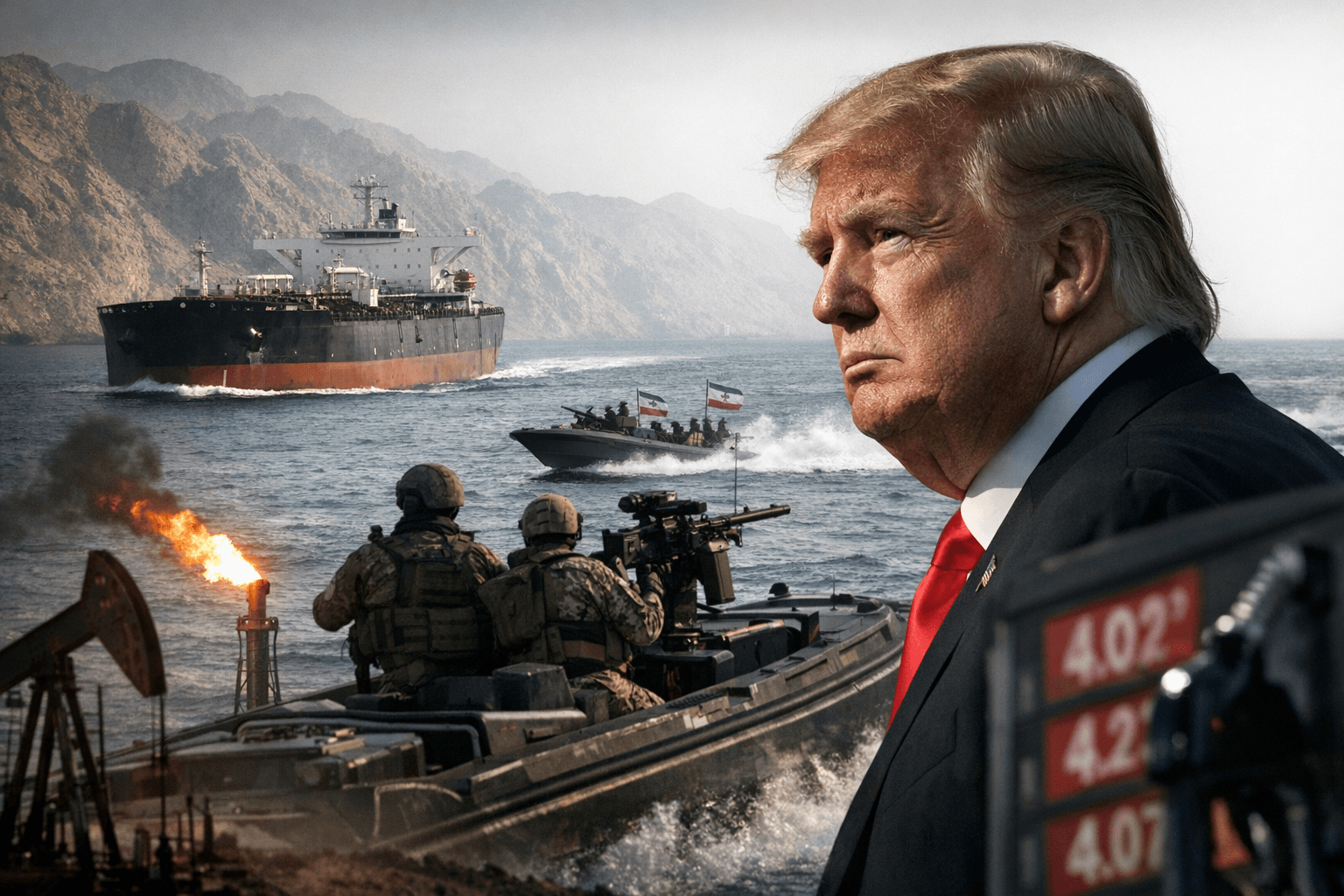
President Trump lashed out at allies Tuesday over their reluctance to help secure the Iran-blocked Strait of Hormuz, telling them to either buy U.S. oil or retrieve it themselves from the critical waterway.
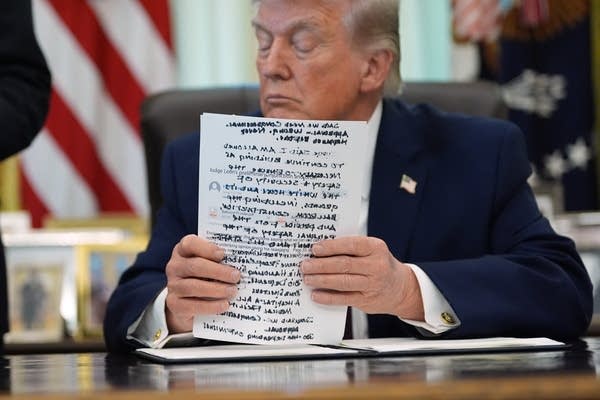
"All of those countries that can't get jet fuel because of the Strait of Hormuz, like the United Kingdom, which refused to get involved in the decapitation of Iran, I have a suggestion for you: Number 1, buy from the U.S., we have plenty, and Number 2, build up some delayed courage, go to the Strait, and just take it," Trump posted Tuesday morning. He continued: "You'll have to start learning how to fight for yourself, the U.S.A. won't be there to help you anymore, just like you weren't there for us."
The post amounts to a significant recalibration of the U.S. commitment to Gulf security. Telling sovereign nations to physically seize oil shipments from a contested chokepoint, where Iran continues to attack merchant vessels, is not a legal framework with precedent; it is a presidential directive that offloads both the military risk and the diplomatic liability of forced passage onto governments that lack the naval infrastructure to execute it.
Trump's comments came on the same day that gas prices in the U.S. jumped past an average of $4 for the first time since 2022, with AAA recording the national average for a gallon of regular gasoline at $4.02, over a dollar more than before the war began on February 28. The correlation between a president publicly retreating from Hormuz security and a domestic price spike at the pump illustrates the feedback loop that makes presidential rhetoric on energy routes a market instrument in its own right, regardless of whether policy actually shifts.
One month into the war, the U.S. reached many of its strategic goals, including killing Iran's top leader and destroying much of its navy and weapons arsenal, but oil continues to move through the Strait of Hormuz at a trickle, with Iran allowing only a small number of ships to pass into the Persian Gulf. The effective closure of the Strait means a significant proportion of global shipments remain stuck in the Persian Gulf, and refineries in Asia have been forced to cut production as Middle East crude flows dwindle.
The U.S. exports about 80 million barrels of jet fuel per year, but that figure is relatively small compared to the amount of jet fuel and kerosene that will be lost if the Strait remains closed, a figure consultancy FGE NexantECA pegged at approximately 37 million barrels in March and April alone.
Britain's last known shipment of jet fuel from the Middle East was expected to arrive within 48 hours on the Libyan-flagged Maetiga vessel from Saudi Arabia on Thursday, according to data providers Kpler and Vortexa, with no other tankers bound for the UK having cleared the Strait. The UK currently sources at least half its jet fuel from the Middle East, the consequence of a fall in domestic refining capacity and a halt on Russian imports since the Ukraine invasion in 2022.
Defense Secretary Pete Hegseth reinforced the president's position at a Pentagon press briefing Tuesday, arguing that other nations should take greater responsibility for securing the Strait: "There are countries around the world who ought to be prepared to step up on this critical waterway as well. It's not just the United States Navy." Taking aim specifically at British naval capacity, Hegseth added: "Last time I checked, there was supposed to be a big, bad Royal Navy that could be prepared to do things like that as well."
Trump separately targeted France in an additional post, calling the country "VERY UNHELPFUL" against Iran, a month after the U.S. and Israel began the bombing campaign. Multiple European nations have prohibited the U.S. from using their territory for operations related to the Iran war, including Spain and France.
In a phone call with CBS News Tuesday morning following the Truth Social post, Trump said the U.S. was not yet pulling assets from the Strait: "At some point I will, not quite yet, but countries have to come in and take care of it. Iran has been decimated, but they're going to have to come in and do their own work."
The Wall Street Journal reported Tuesday that Trump told aides he is willing to end the U.S. military campaign against Iran even if the Strait of Hormuz remains largely closed, with the president reportedly favoring a diplomatic path to resume the free flow of trade after decimating Iran's military capabilities. That signal, paired with the Truth Social post, presents allies with a narrowing window: either purchase American oil at prices set by a global market already spiking on supply fear, or mount independent naval operations through a waterway where Iran is still firing at merchant vessels. For energy traders, it was enough to keep the risk premium elevated. The Strait carries roughly 20 percent of the world's oil supply on a normal day; on this one, it was the subject of a post ending with "Go get your own oil.
Sources:
Know something we missed? Have a correction or additional information?
Submit a Tip