Trump tells Putin ending Ukraine war is vital, offers help
Trump told Putin ending the Ukraine war was vital and said he was ready to help, but Moscow signaled no shift in its battlefield confidence.
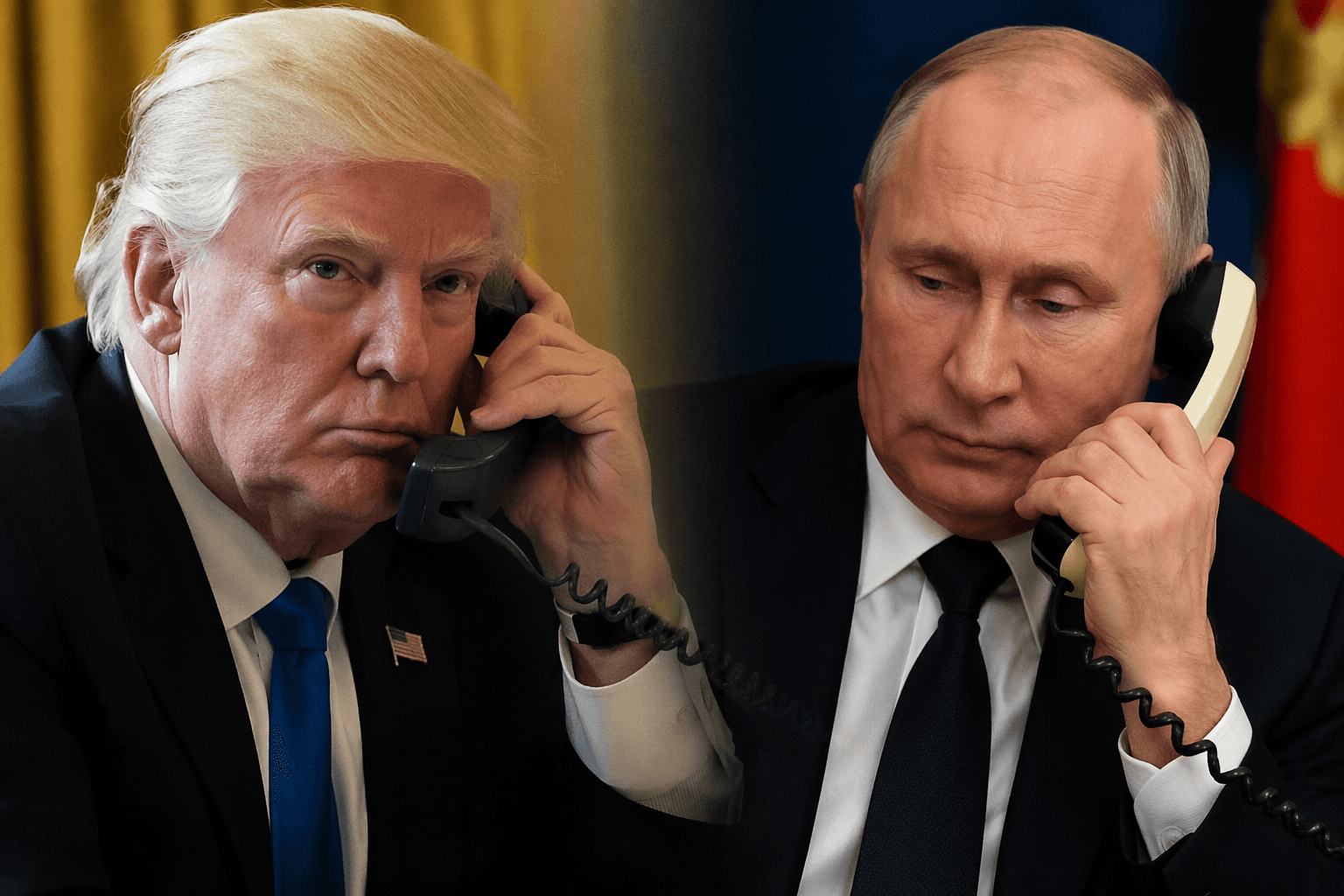
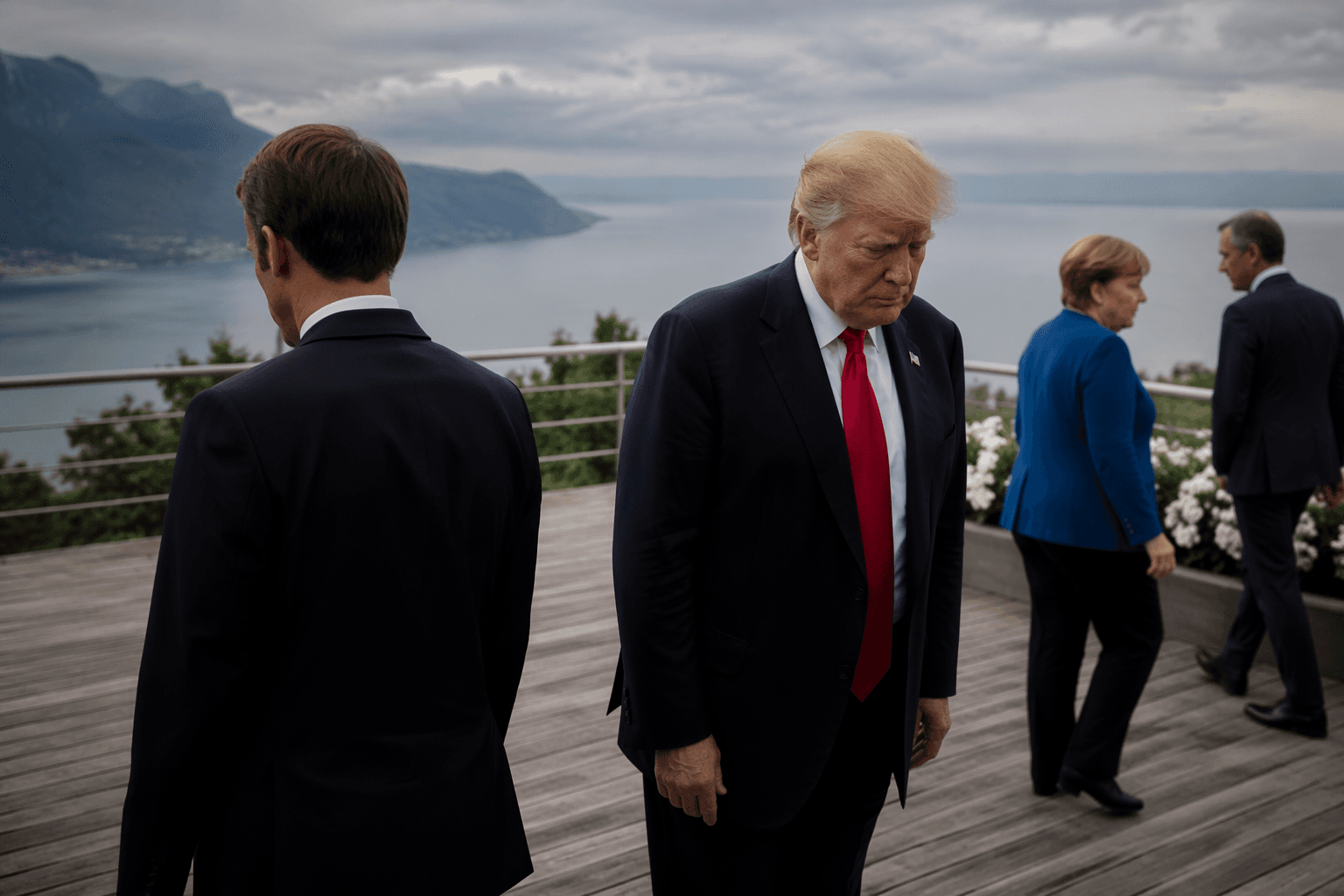
Donald Trump used a 55-minute call with Vladimir Putin to press a blunt message: ending the war in Ukraine was vital, and he was ready to help. The exchange came as Washington, Moscow and European capitals were all moving on overlapping diplomatic tracks, including discussions at the G7 summit in the French resort of Évian.
The Kremlin’s foreign policy adviser, Yuri Ushakov, described the conversation as part of a wider geopolitical conversation rather than a narrow bilateral check-in. He said Trump also indicated that an agreement to end the conflict in Iran was close, putting the Ukraine war alongside Middle East diplomacy in the same round of talks. Trump, according to the Kremlin account, said he was prepared to work with European partners and Kyiv, a detail that suggests the White House was trying to build a broader coalition around any future deal.
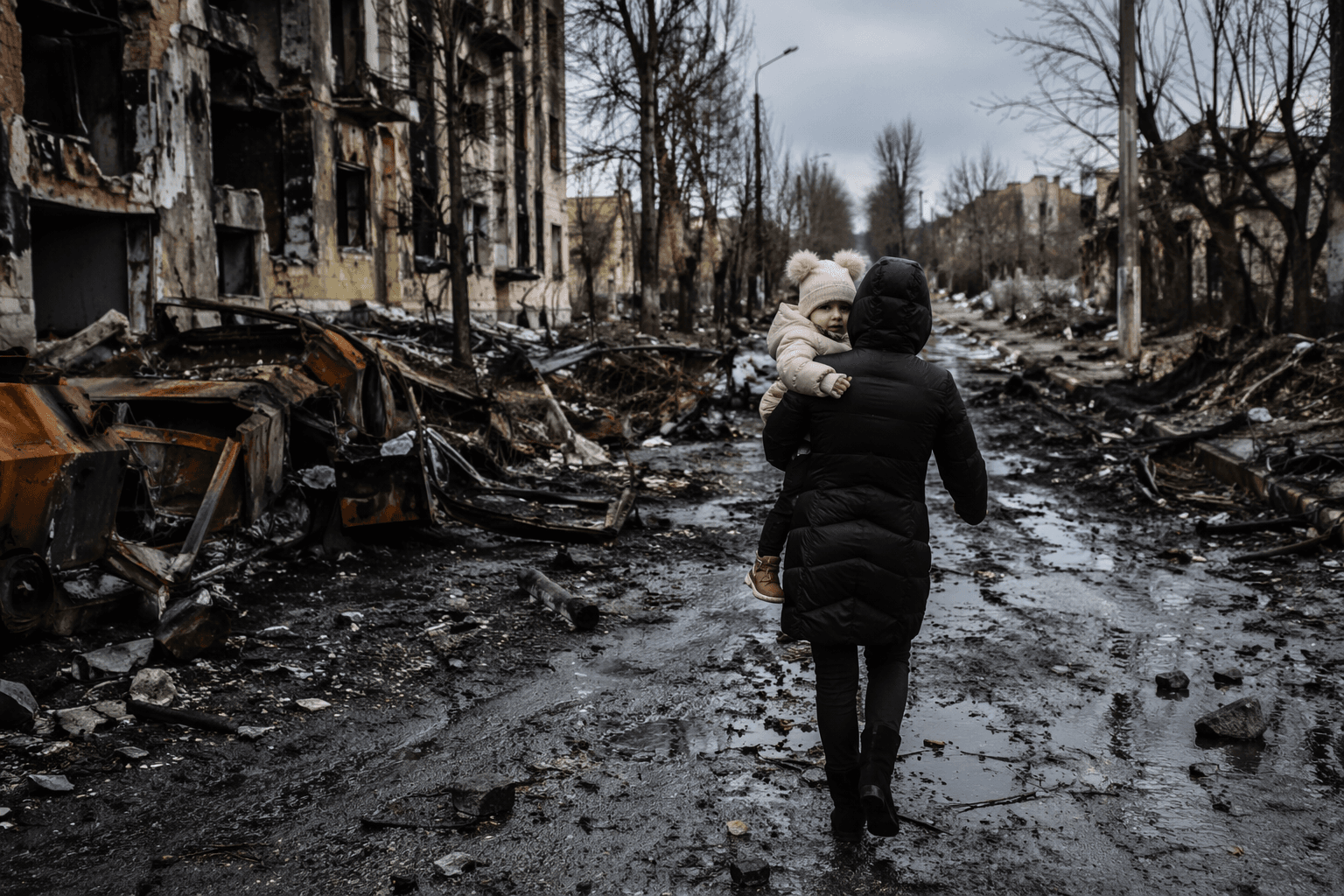
What was missing from the call was any public sign of leverage that would force a change in Russia’s war aims. Ushakov said Putin responded that intensified Ukrainian strikes on Russian targets would not change the battlefield situation, a message that showed Moscow still projecting confidence despite continuing attacks and pressure. That response undercut any immediate claim that the call had altered the strategic balance, or that Trump had secured even a tentative opening.
The practical meaning of “ready to help” remains the central question. In concrete terms, that could mean pushing negotiations, coordinating with European allies, or keeping channels open through U.S. envoys Steve Witkoff and Jared Kushner, who were expected to return to Russia soon. It did not, at least publicly, include a pledge of new sanctions, military guarantees or a named settlement formula. Without those, Trump’s leverage appears limited to the weight of U.S. diplomacy and the possibility of sequencing one negotiation, on Iran, to build momentum for another, on Ukraine.
That sequencing would be more ambitious than simple ceasefire talk. It would try to link two separate conflicts in hopes that progress in one theater could stiffen the odds of movement in the other. For Kyiv and U.S. allies, the outreach is likely to be read as both a signal and a test: Washington is still probing for negotiations, but Moscow is still insisting that battlefield pressure has not changed its core position. The call left that tension intact, and for now it offered more evidence of active diplomacy than of a breakthrough.
This article was produced by Prism’s automated news system from verified source data, official records, and press releases, then run through automated quality and moderation checks before publishing. The system is built and supervised by the people who set the standards it runs under. Read our full AI policy.
Know something we missed? Have a correction or additional information?
Submit a Tip