Trump threatened to obliterate Iran's power plants over Strait of Hormuz
Trump gave Iran 48 hours to reopen the critical oil chokepoint or face destruction of its power grid, as Iran warned of sweeping retaliation.
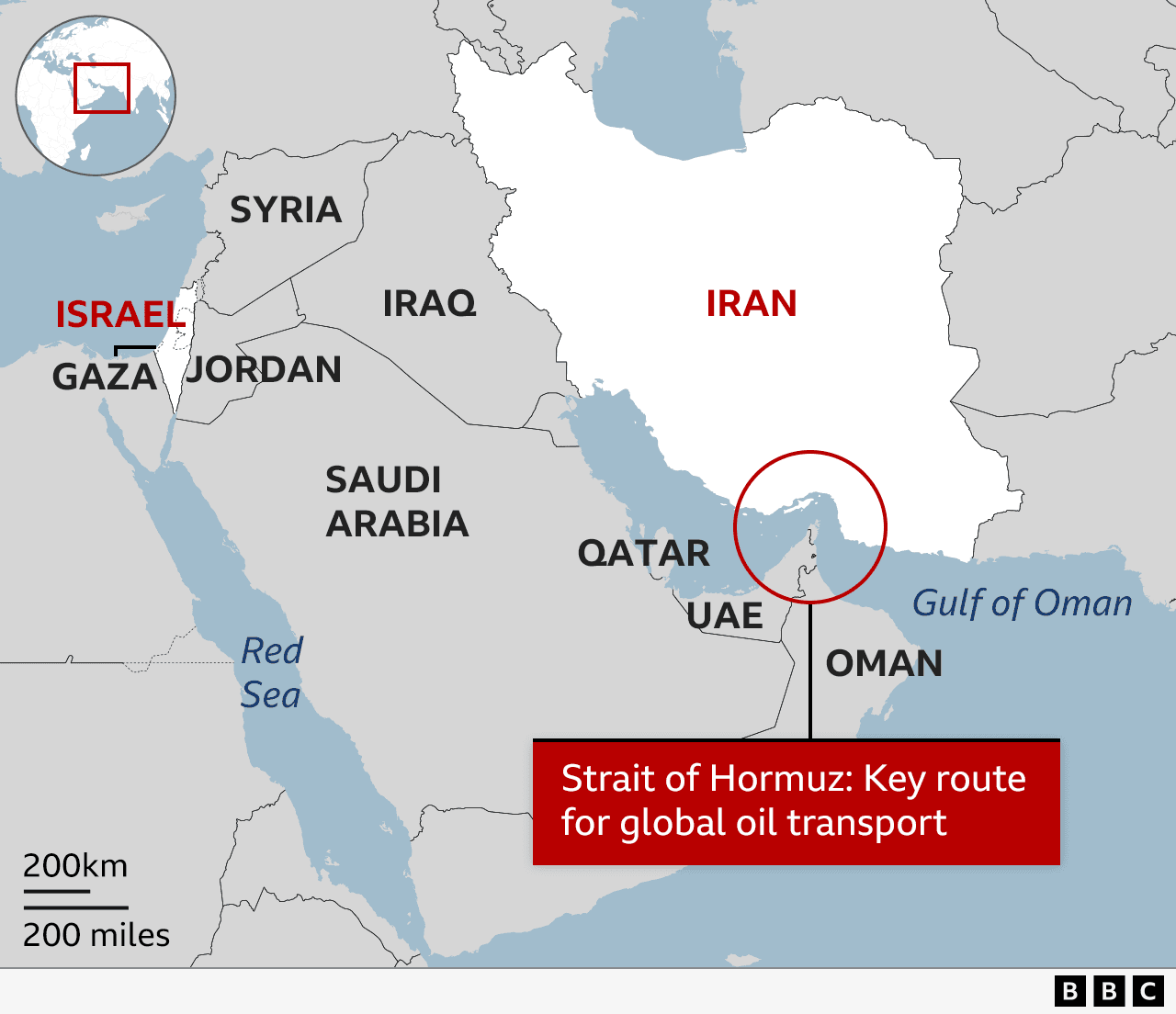
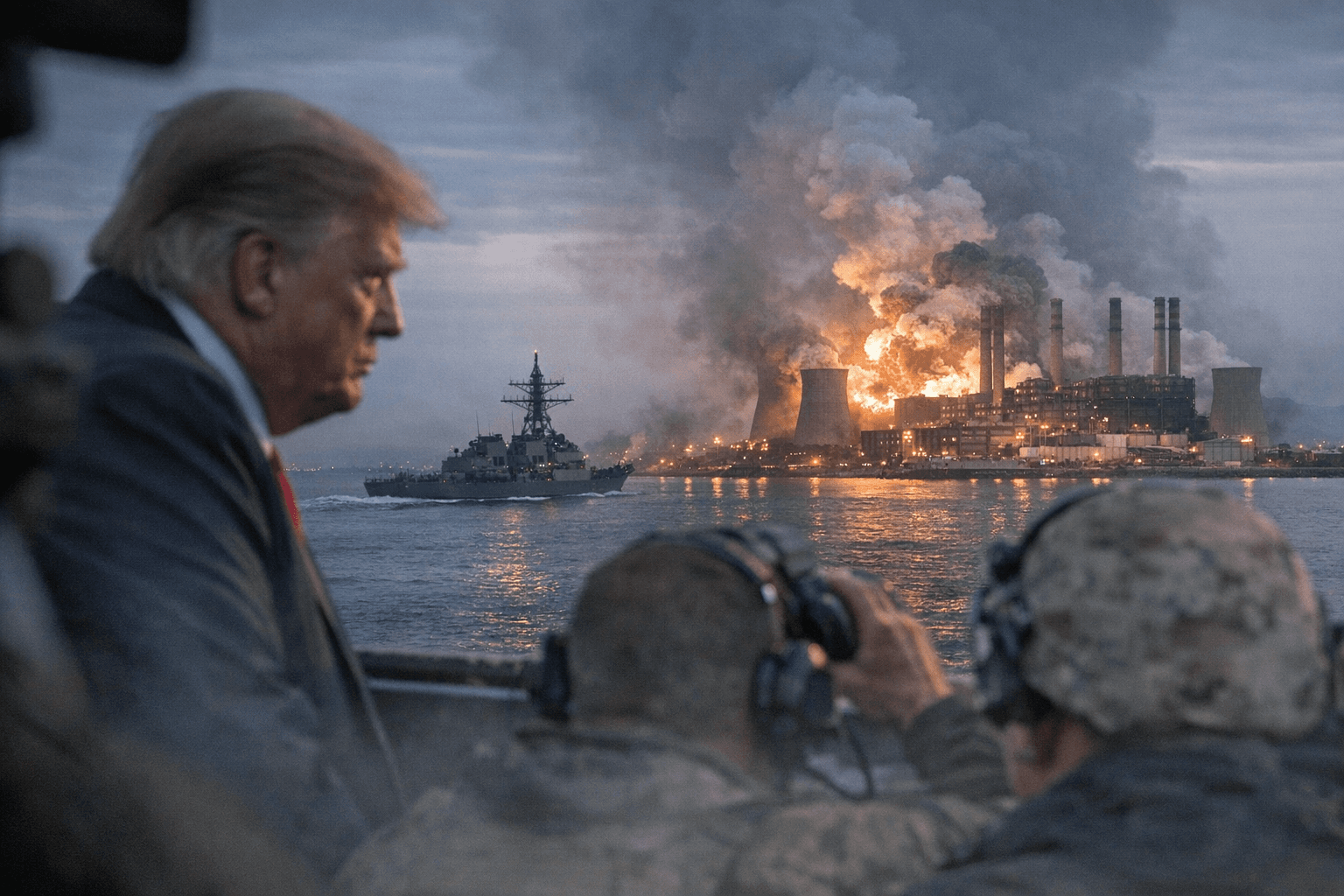
President Donald Trump issued an all-caps ultimatum on Truth Social Saturday night ordering Iran to fully reopen the Strait of Hormuz to shipping or face the destruction of its power infrastructure: "The United States of America will hit and obliterate their various POWER PLANTS, STARTING WITH THE BIGGEST ONE FIRST!"
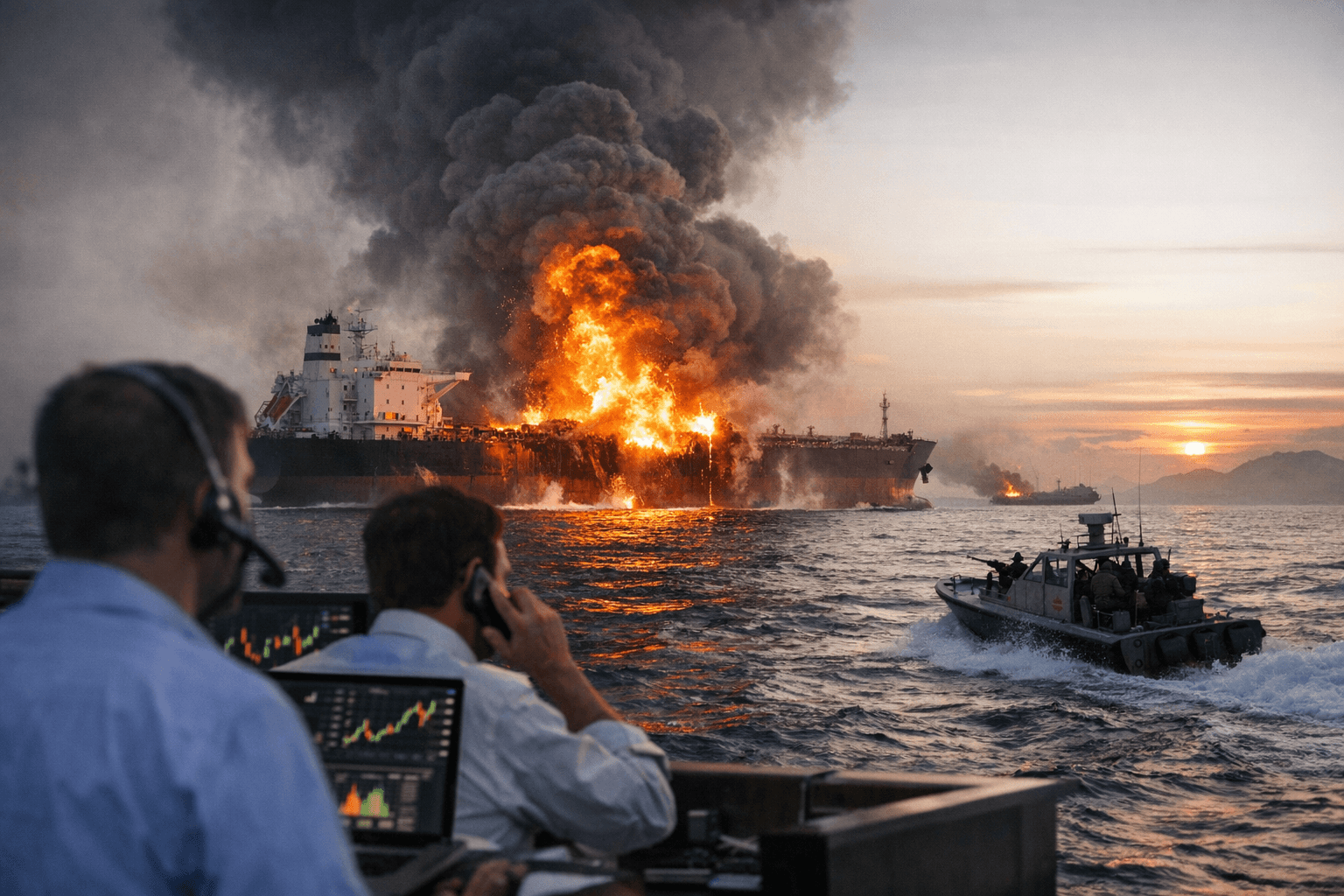
The 48-hour deadline, calculated by the Guardian to expire at 23:44 GMT Monday, set off a rapid escalation of threats between Washington and Tehran at one of the world's most consequential chokepoints. The Strait funnels nearly a fifth of the world's oil to market and has been effectively closed to tanker traffic since Iran began targeting shipping on Feb. 28, sending oil prices soaring.
Iran's response combined diplomatic signals with hard warnings. Iran's representative to the International Maritime Organization said the country was ready to work with the IMO to improve safety and protect seafarers in the Gulf. "Diplomacy remains Iran's priority," the representative said. "However, a complete cessation of aggression as well as mutual trust and confidence are more important." Simultaneously, Iran warned it would retaliate against all U.S.-linked energy infrastructure across the Middle East if its power plants were struck, and the Guardian reported Iranian officials cautioned of "irreversible damage" to the region.
U.S. Central Command said Iran's ability to threaten navigation in the Strait had been "degraded," a measured military assessment that sat uneasily alongside Trump's maximalist rhetoric. The gap between CENTCOM's language and the president's threat reflected a broader tension in U.S. messaging: the military signaling incremental progress while the White House threatened catastrophic escalation.
Trump had framed the situation in blunt terms days earlier. "From a military standpoint, they're finished," he said of Iran on March 20, describing the reopening of the Strait as a "simple military maneuver" while acknowledging it required allied participation. He added that he had been rejected by NATO for a mission to secure the waterway.
The confrontation was unfolding inside a widening regional conflict. Israel said it launched a wave of strikes on the Iranian capital overnight, while an Iranian missile strike hit two southern Israeli towns close to a nuclear facility on Saturday. WMTW reported thousands of additional U.S. Marines were reportedly heading to the Middle East.
Legal experts have warned that Trump's threatened target carries serious humanitarian and international law implications. Under the Geneva Conventions, attacks on objects indispensable to the survival of the civilian population are prohibited. International humanitarian law also requires that collateral civilian harm not be excessive relative to the anticipated military advantage. The destruction of Iran's power plants could trigger widespread blackouts across the country.
Trump gave no indication of flexibility. A YouTube news transcript captured his position on negotiations in blunt terms: "They, meaning Iran, want to make a deal. I don't."
The closure of the Strait since late February has already imposed significant economic costs on Europe and global markets, and a direct military strike on Iranian energy infrastructure would almost certainly deepen the disruption. The Monday night deadline placed the region on the edge of a potential escalation with consequences extending far beyond the Persian Gulf.
Know something we missed? Have a correction or additional information?
Submit a Tip