Trump Threatens Civilizational Destruction as UN Warns of War Crimes Over Iran Strikes
Trump's post that "a whole civilization will die tonight" drew genocide warnings from Amnesty International before a Pakistan-brokered ceasefire averted the 8 p.m. deadline.
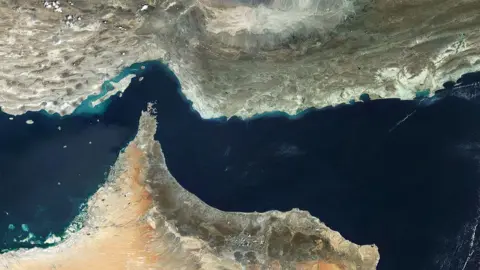
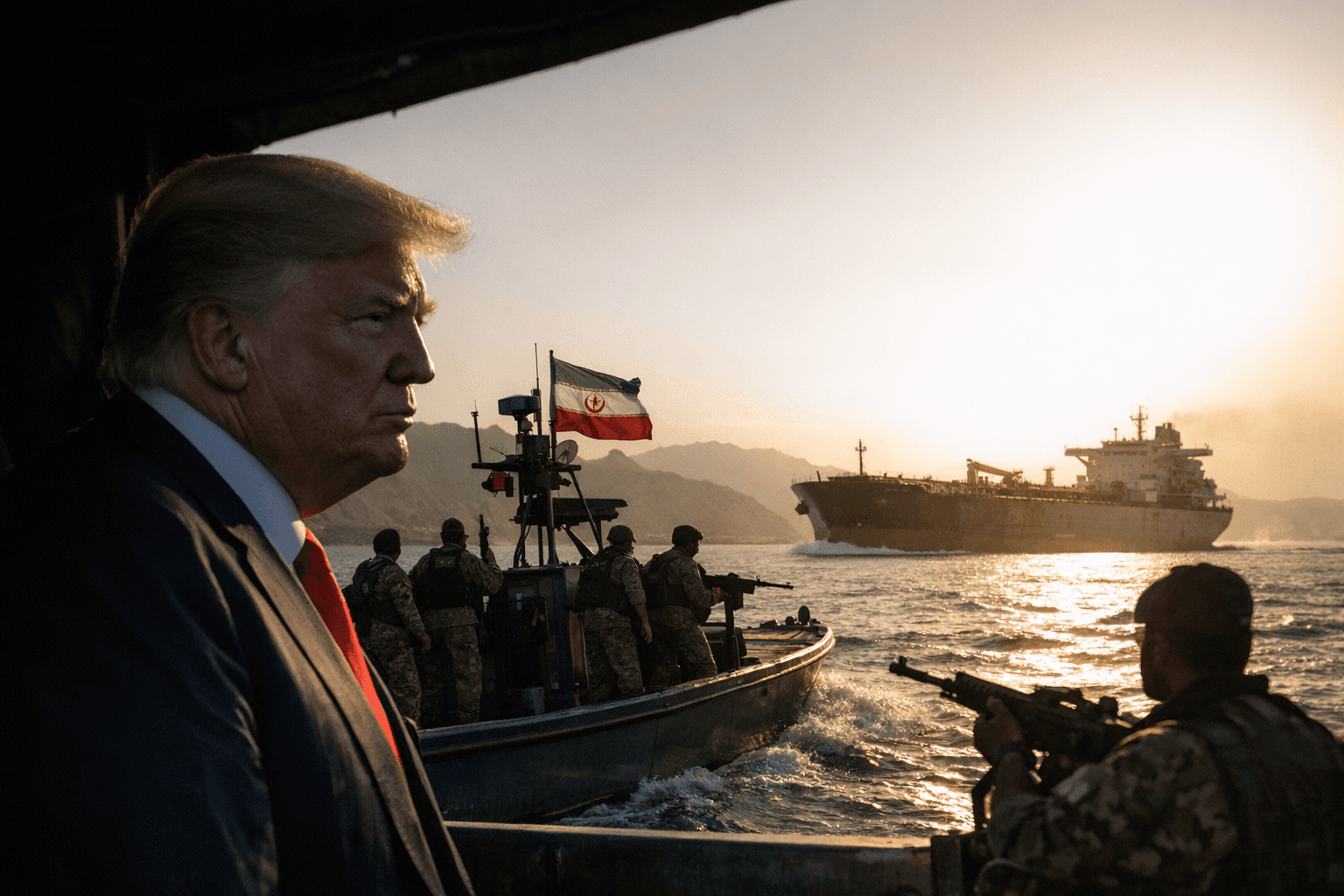
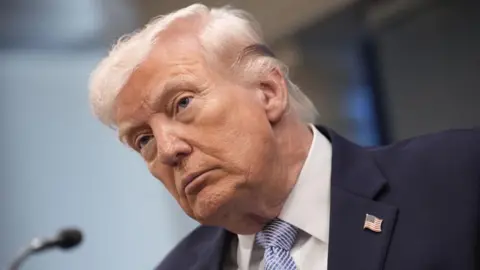
A single Truth Social post put the world on edge. Donald Trump declared on April 7 that "a whole civilization will die tonight, never to be brought back again," his starkest threat yet in the US-Iran war, setting off a cascade of international condemnation and a frantic race toward diplomacy before an 8 p.m. ET deadline he had tied to Iran's blockade of the Strait of Hormuz.
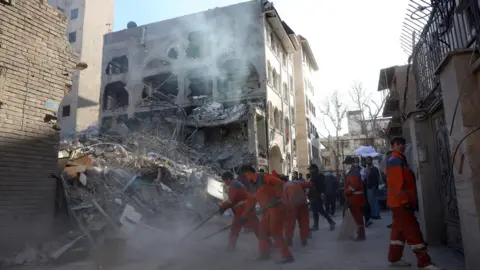
The post was anchored to a specific ultimatum: Trump had ordered Iran to reopen the strait by that hour, a waterway Tehran's blockade has disrupted severely enough to send fuel prices surging across the globe. In the hours before the deadline, US and Israeli strikes escalated sharply. The Israeli military struck an Iranian petrochemical site in Shiraz for the second consecutive day, then confirmed additional strikes on bridges in several Iranian cities. Airstrikes pounded Tehran itself, hitting residential neighbourhoods. Trump compounded the post with an explicit threat of "complete demolition" of Iran's power plants and bridges, prompting the Iranian regime to call on young people to form human chains around power plants as an act of civilian resistance.
The United Nations responded quickly. A spokesman for Secretary-General António Guterres said Guterres was "deeply troubled" by the threats and that no military objective justified targeting civilian infrastructure. The UN separately warned that Trump's explicit threats to destroy power plants and bridges could constitute war crimes under international law if carried out.
Amnesty International Secretary General Agnès Callamard went further, saying the statements revealed "a staggering level of cruelty and disregard for human life" and warned they "may constitute a threat to commit genocide" of Iran's more than 90 million people. Callamard called on the UN Security Council, regional bodies, and all states to "urgently intervene to avert an impending catastrophe," grounding her condemnation in international humanitarian law's strict prohibition on direct attacks on civilian populations and civilian objects. On Capitol Hill, Congressional Democrats resoundingly condemned the post while top Republicans were largely silent.

The crisis pulled back from the edge shortly before the 8 p.m. threshold. Trump announced a two-week ceasefire, agreeing to "suspend the bombing and attack of Iran for a period of two weeks" on the condition that Tehran agree to a "COMPLETE, IMMEDIATE, and SAFE OPENING" of the Strait of Hormuz. The announcement followed talks with Pakistani Prime Minister Shehbaz Sharif, who urged Trump to delay further military action to allow diplomacy to proceed and separately pressed Iran to reopen the strait as a gesture of goodwill. Pakistan has emerged as the central mediator in the negotiations.
Iran's submission of a 10-point peace proposal gave the diplomatic opening its footing. Trump called it "a workable basis on which to negotiate," a striking shift in register from the morning's apocalyptic rhetoric. The two-week window now hinges on whether Iran moves to reopen the strait and whether the international community can hold both sides to a framework before the ceasefire expires.
Know something we missed? Have a correction or additional information?
Submit a Tip