Trump Threatens to Destroy Iranian Civilization, Raising War Crimes Concerns
Trump posted 'A whole civilization will die tonight' ahead of an Iran deadline, then backed off with a ceasefire as legal experts warned of war crimes.
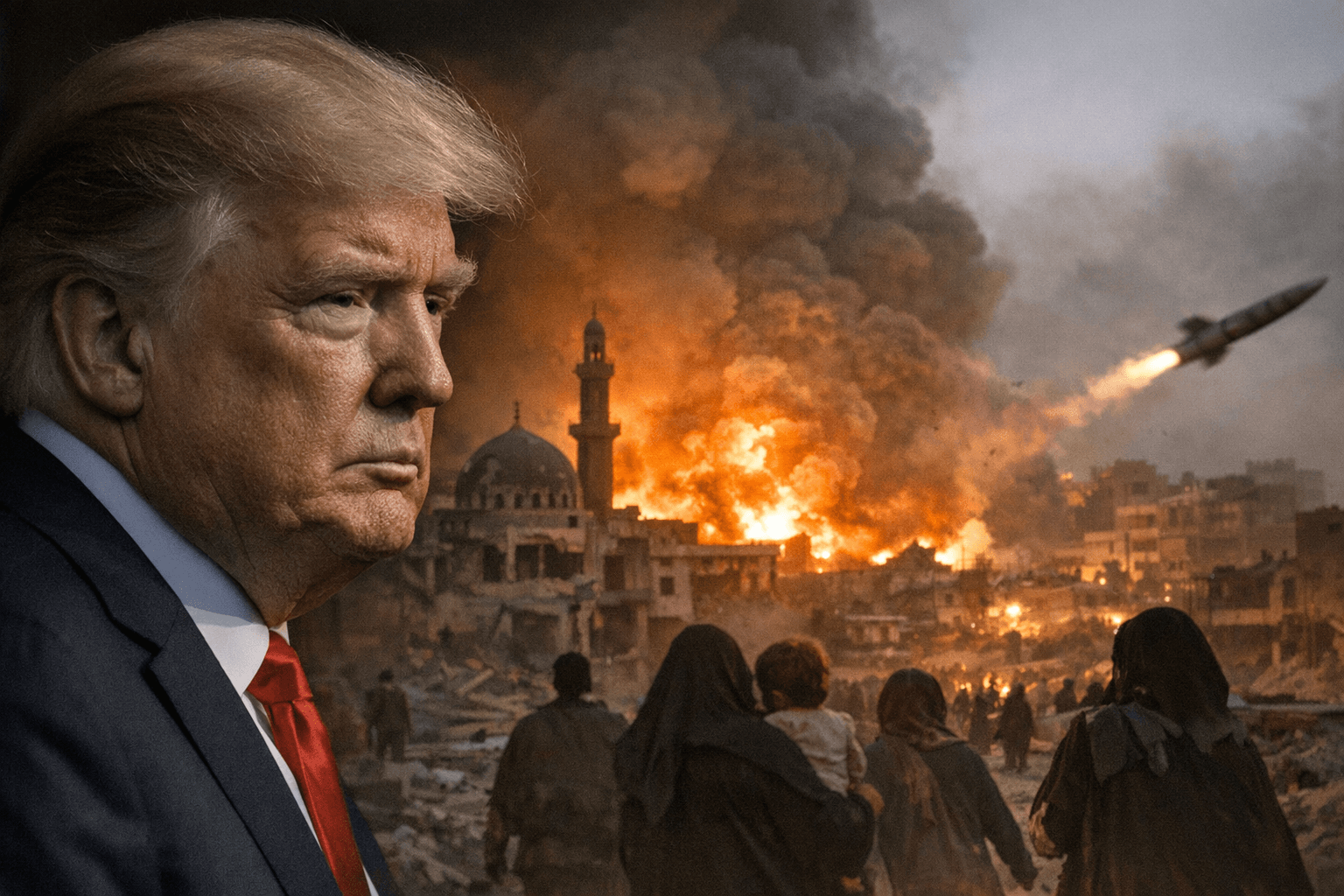
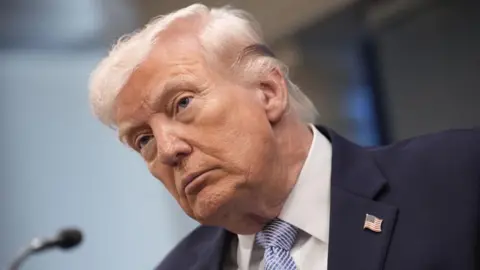
A whole civilization will die tonight, never to be brought back again." That single post on Truth Social, published by President Trump on April 7, 2026, set off a wave of international condemnation from human rights organizations, legal scholars, and members of Congress over whether the president had crossed from war rhetoric into the territory of threatened war crimes.
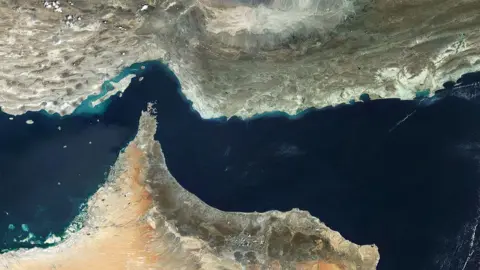
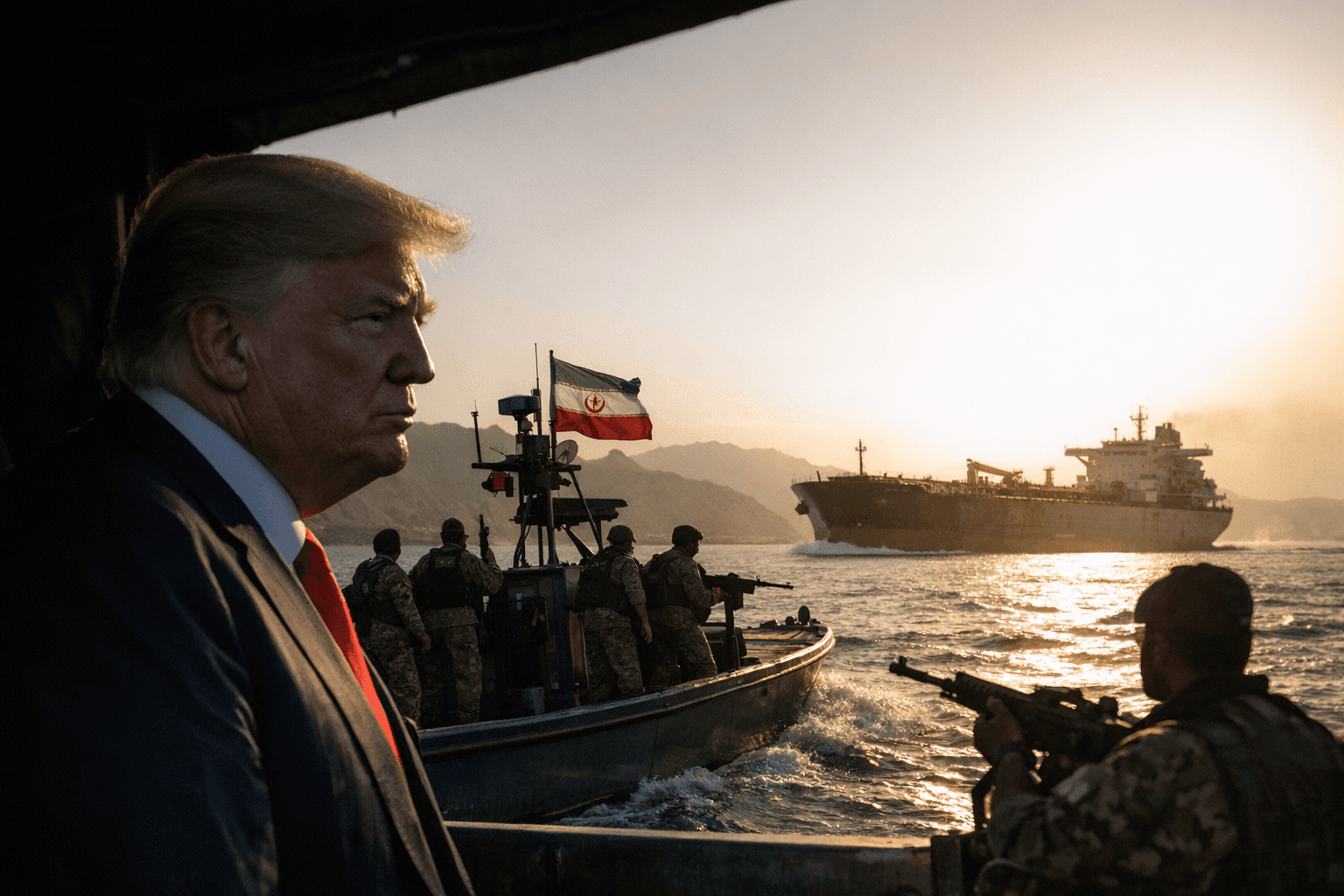
The post was tied to an 8 p.m. ET deadline Trump issued for Iran to reopen the Strait of Hormuz, the critical global shipping chokepoint Tehran blockaded after the U.S. and Israel launched Operation Epic Fury on February 28, 2026, a surprise airstrike campaign that killed Supreme Leader Ali Khamenei. Iran's closure of the strait triggered a historic oil supply shock and sent global energy prices soaring.
The April 7 post was the most extreme in a week of escalating threats. At the White House on April 6, Trump told reporters the United States had a plan to destroy every bridge and power plant in Iran within four hours, and that "the entire country could be taken out in one night." He had previously threatened to bomb Iran "back to the Stone Ages" and called Iranian leaders "crazy bastards." U.S. forces struck Kharg Island, Iran's main oil export terminal, the night before the deadline.
Under the Geneva Conventions, objects indispensable to civilian survival, including water treatment plants, power stations, and bridges, are prohibited military targets. ICRC President Mirjana Spoljaric Egger stated on March 23 that "War on essential infrastructure is war on civilians," and Stephane Dujarric, spokesman for UN Secretary-General Antonio Guterres, warned Monday that attacking such infrastructure is banned under international law. More than 100 international law experts signed a letter warning that U.S. strikes on Iran violate the UN Charter and may constitute war crimes.
Kenneth Roth, former executive director of Human Rights Watch, said Trump was "openly threatening collective punishment, targeting not the Iranian military but the Iranian people," and that "collective punishment of civilians during armed conflict is a violation of the Fourth Geneva Convention. Attacking civilians is a war crime. So is making threats with the aim of terrorizing the civilian population." Former U.S. Army JAG Corps lawyer Margaret Donovan said Trump's rhetoric had shifted expert consensus: "We're seeing basically a direct threat to something that we know is going to be catastrophic to civilians." Sarah Harrison, identified as an associate general counsel at the Pentagon, stated that Trump "has repeatedly threatened war crimes in Iran and now he is expressing genocidal intent." Amnesty International Secretary General Agnès Callamard called Trump's threats a revelation of "a staggering level of cruelty and disregard for human life," warning that tens of millions of lives hung in the balance.
When asked directly whether targeting civilian infrastructure would violate the Geneva Conventions, Trump replied, "I hope I don't have to do it," while arguing that Iran's nuclear ambitions justified crossing international legal lines. On the war crimes question, he was blunter: "I'm not worried about it. You know what's a war crime? Having a nuclear weapon."
Iran's UN representative Amir-Saeid Iravani said Trump's threats "constitute incitement to war crimes and potentially genocide." House Minority Leader Hakeem Jeffries called Trump "completely unhinged" and demanded Congress return to session to "vote to end this reckless war of choice in the Middle East before Donald Trump plunges our country into World War III." In a rare moment of Republican dissent, Sen. Ron Johnson said he hoped the comments were "bluster," adding: "We are not at war with the Iranian people. We are trying to liberate them."
About 90 minutes before the deadline, Trump announced a two-week ceasefire, crediting conversations with Pakistani Prime Minister Shehbaz Sharif and Pakistan's Field Marshal Asim Munir, who had asked him to "hold off the destructive force being sent tonight to Iran." Sharif had publicly requested the extension earlier that day, and Vice President JD Vance, speaking from Budapest, had said intense negotiations would continue up to the deadline.
The de-escalation left deeper institutional questions unresolved. Under Defense Secretary Pete Hegseth, the Pentagon has removed the Army, Navy, and Air Force judge advocates general, eliminating the legal oversight positions critics say existed precisely to prevent violations of international humanitarian law. With Iran still demanding a permanent end to the war rather than another temporary pause, and with Trump having extended similar deadlines multiple times since February, the two-week window offered relief but no resolution.
Sources:
Know something we missed? Have a correction or additional information?
Submit a Tip