Trump ties FISA approval to voting bill demands at G7 meeting
Trump said he would withhold FISA approval unless his voting bill was included, sharpening a standoff that left Section 702 expired and Congress divided.
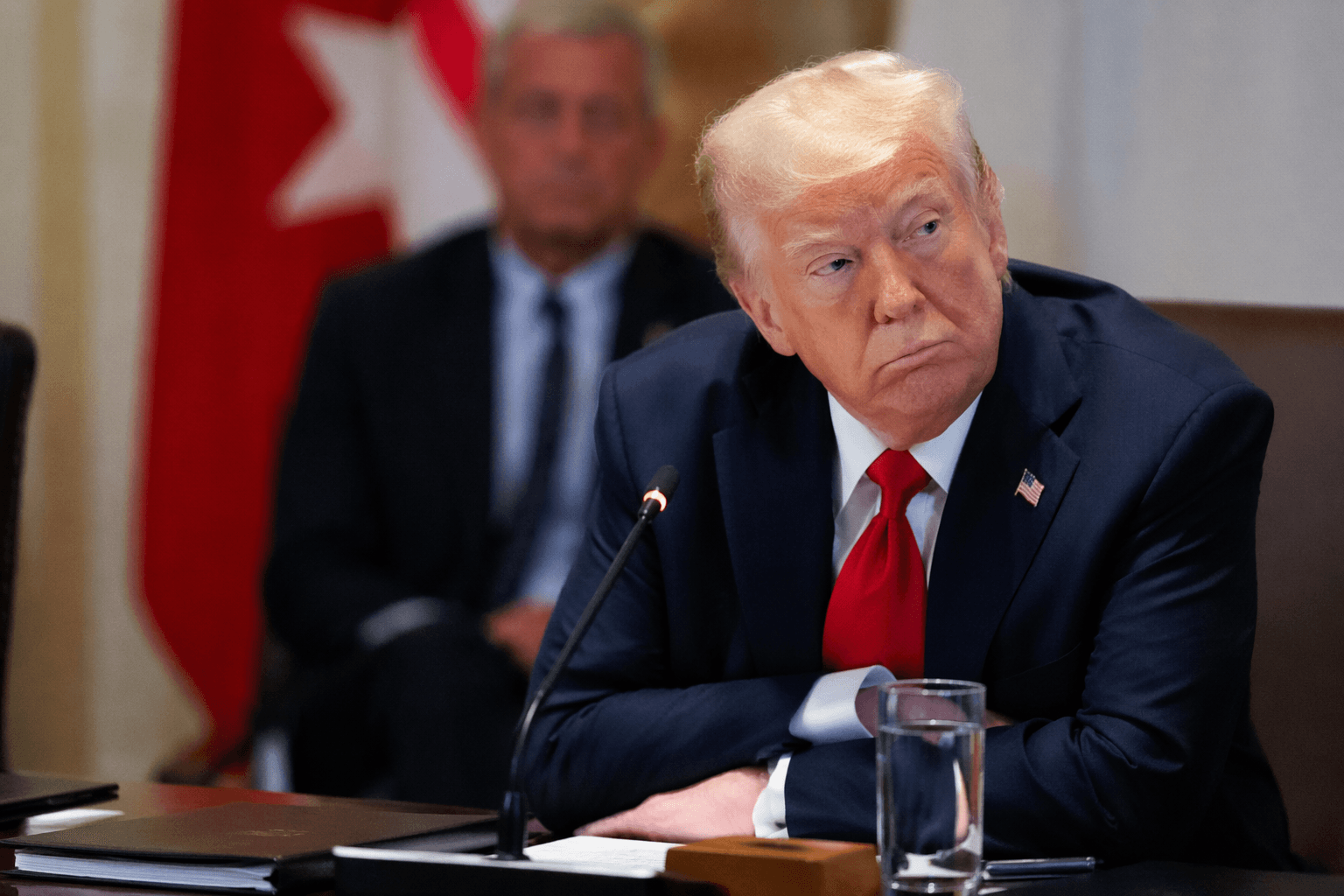
Donald Trump turned a core surveillance authority into leverage for a separate voting fight, telling reporters at the G7 meeting in Evian-les-Bains, France, that he would not sign the Foreign Intelligence Surveillance Act unless his election-policy bill was included. The move pushed Section 702 of the law, a power intelligence agencies use to monitor foreigners’ communications without individualized warrants, deeper into a partisan battle with national-security consequences.
The clash came after Congress failed to keep the program intact. The House rejected a short-term extension on June 11 in a 198-218 vote, with 19 Republicans breaking ranks, and the Senate also failed to advance a competing approach. Reuters reported that Section 702 lapsed at midnight on June 12, the first time Congress had allowed the authority to expire since it was created in 2008.
The authority has long been controversial because it permits targeting of non-U.S. persons abroad without probable-cause warrants, while also drawing recurring complaints about U.S.-person queries, incidental collection, and the risk that the tool could be used against politically disfavored people or groups. The Congressional Research Service said the last reauthorization, the Reforming Intelligence and Securing America Act passed in April 2024, set a sunset date tied to spring 2026, underscoring how closely Congress had been forcing itself to revisit the issue.
Trump’s decision to tie the surveillance bill to voting legislation also collided with an already unstable intelligence fight inside his administration. Democrats linked their resistance to his selection of Bill Pulte, the Federal Housing Finance Agency chief with no prior national security experience, as acting director of national intelligence. The personnel dispute helped derail a bipartisan compromise that had been under discussion before the lapse.
Republican leaders warned against making FISA hostage to the broader clash. Speaker Mike Johnson and Senate Majority Leader John Thune argued that mixing the surveillance issue with the Pulte fight endangered national security, while the White House had been pressing for at least a short-term patch. Civil-liberties groups saw the collapse differently: the ACLU said Section 702 has been used to collect Americans’ and foreigners’ phone calls, texts, emails and other communications without a warrant, while EPIC pointed to the Government Surveillance Reform Act of 2026, the Security and Freedom Enhancement Act of 2026 and the Protect Liberty and End Warrantless Surveillance Act of 2026 as the main reform vehicles now in play.
The episode shows how quickly a specialized intelligence authority can become a bargaining chip in a broader struggle over election rules, presidential power and the composition of the intelligence leadership. It also leaves Congress, agencies and the courts facing the uncertainty that follows when a surveillance system built in 2008 is no longer guaranteed to keep operating.
This article was produced by Prism’s automated news system from verified source data, official records, and press releases, then run through automated quality and moderation checks before publishing. The system is built and supervised by the people who set the standards it runs under. Read our full AI policy.
Know something we missed? Have a correction or additional information?
Submit a Tip