Trump to sign AI cybersecurity order, expands model oversight
The White House is moving AI from voluntary safety pledges to a tighter federal review regime, starting with cybersecurity reporting and model access.

The White House is betting that AI’s fastest-growing risk is not just model mistakes, but exposure to hackers, leaks and unvetted releases. The new executive order expected as soon as Thursday would pull AI companies into existing cybersecurity information-sharing programs and give the government a sharper look at advanced models before they are released.
That shift matters because it moves policy beyond the voluntary assurances that have defined much of the AI debate. The current draft would create a voluntary framework for developers to notify the government about new model releases, but it would stop short of requiring formal federal approval for frontier systems. Even so, the proposal would mark a clear step toward a gatekeeper role for Washington, especially if intelligence agencies and other departments are empowered to review advanced models in advance.
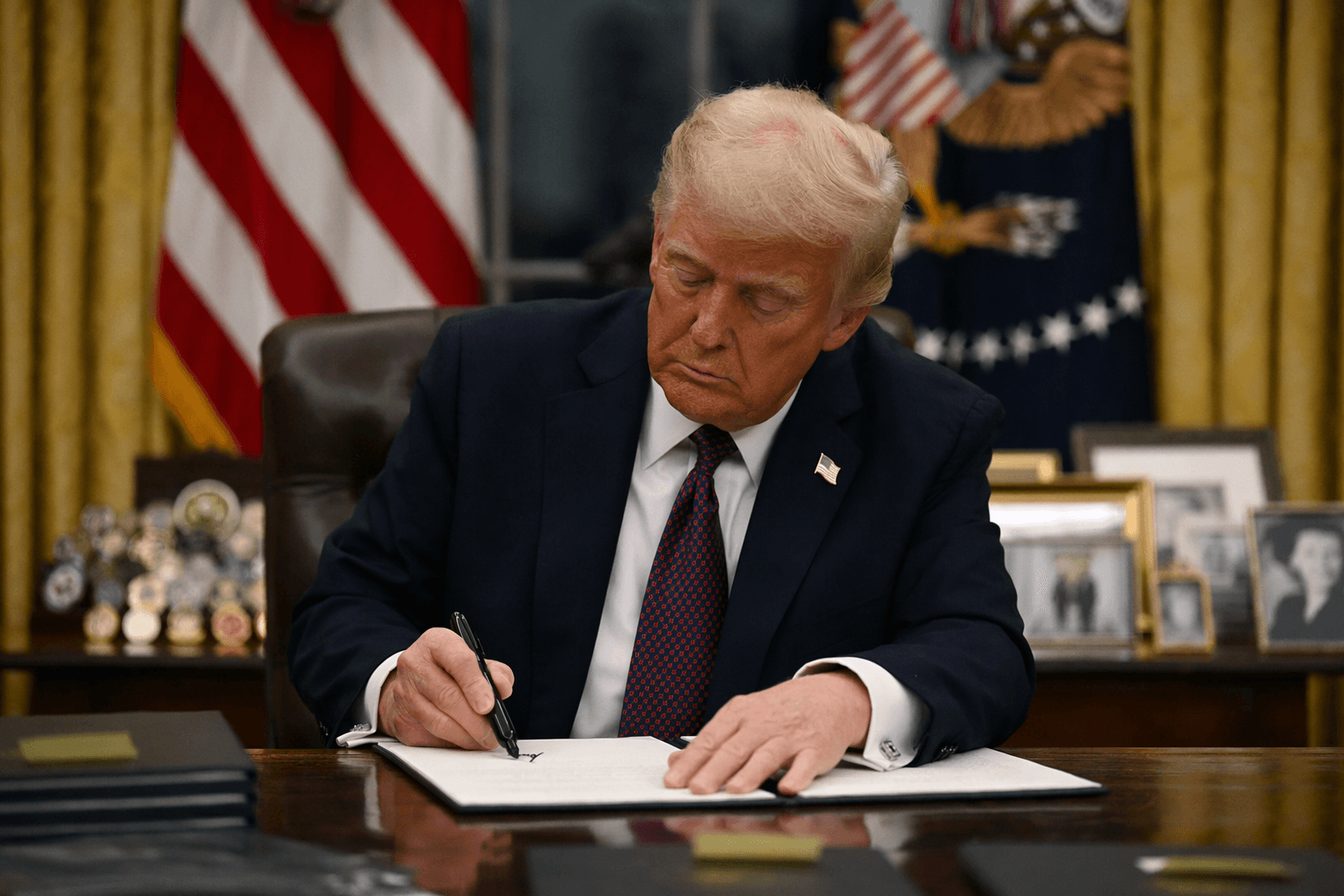
The White House Office of the National Cyber Director briefed OpenAI, Anthropic and Reflection AI on Tuesday about the plan. The order, if signed, would also revamp existing cybersecurity reporting channels so AI firms are included alongside more traditional critical infrastructure players, giving the administration a faster way to receive threat information from a sector that now sits closer to national security and economic competitiveness.
The policy stakes are broader than cybersecurity alone. Administration officials have also been weighing whether the Pentagon should be required to safety test AI models deployed to federal, state and local governments, a move that would extend federal scrutiny into procurement and public-sector deployment. For the first time, the government would be pressing on both ends of the AI pipeline: model development and model use.
The emerging order builds on a longer policy arc. The White House released its America’s AI Action Plan on July 23, 2025, following Trump’s January executive order on removing barriers to American leadership in AI. That earlier agenda emphasized infrastructure, exports and growth. The new direction suggests the administration is now trying to balance speed with controls, particularly around frontier systems that could be misused or compromised.
Federal agencies have contemplated this terrain before. The National Telecommunications and Information Administration said in a March 2024 policy report that AI systems should face pre- and post-release evaluation and that federal oversight capacity should be strengthened. Its policy approaches page has also discussed limiting access to model weights for some dual-use foundation models through licensing, prohibitions or tighter API and web access.
The industry response will likely hinge on how much of the draft becomes binding. OpenAI says it partners with governments on AI safety policy and builds safety measures into development from the outset. Anthropic updated its Responsible Scaling Policy on April 29, 2026, adding external review of risk reports in certain circumstances. For AI developers, the White House is now signaling that voluntary alignment may no longer be enough.
Know something we missed? Have a correction or additional information?
Submit a Tip