Trump Unveils New Class of Battleships, Seeks Twenty Ship Fleet
President Donald Trump announced a major naval expansion at Mar a Lago, unveiling plans to build a new class of surface warship and to grow a so called Golden Fleet to 20 to 25 vessels. The proposal promises advanced weaponry and a rapid timeline, raising immediate questions about cost, acquisition authority, and operational purpose for U.S. naval strategy.
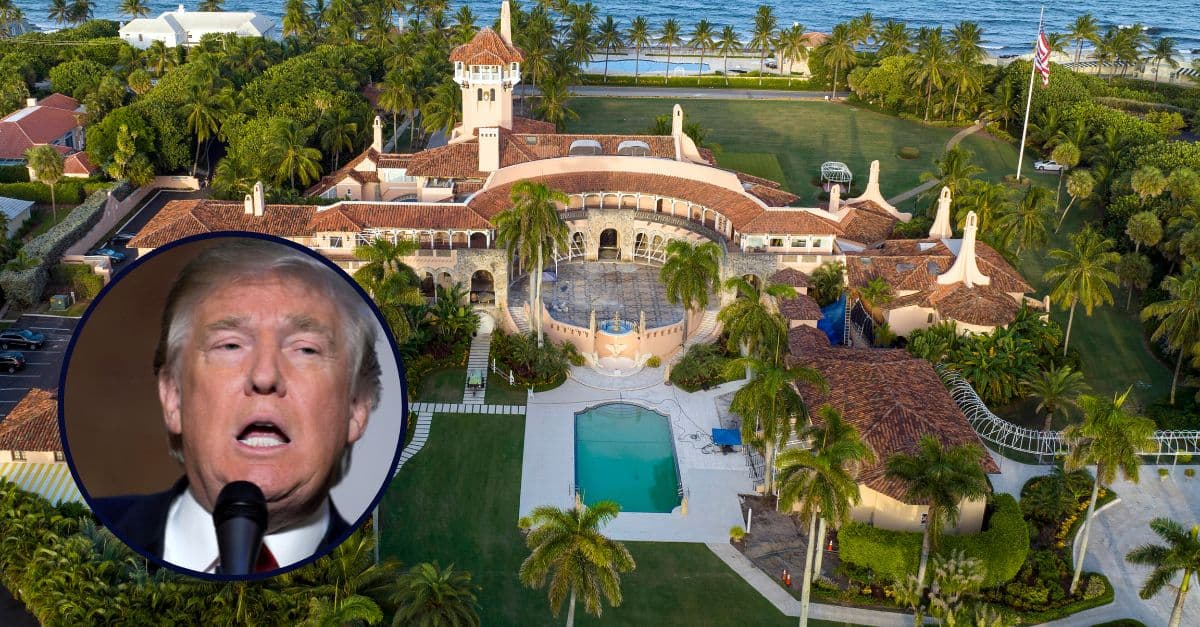
President Donald Trump on December 22 announced an ambitious naval program he said will begin with construction of a new class of U.S. surface warship he called the Trump class, and ultimately expand into a 20 to 25 ship Golden Fleet. Speaking at his Mar a Lago estate in Palm Beach, Florida, he said the program would start with two very large vessels, the first to be named USS Defiant, and that the first ships would be operational in about two and a half years.
The announcement was delivered alongside senior administration officials including Defense Secretary Pete Hegseth, Secretary of State Marco Rubio and Secretary of the Navy John Phelan. The administration framed the initiative as a strategy to cement American naval dominance, boost domestic shipbuilding, and restore U.S. industrial capacity in maritime construction. Mr. Trump invoked the U.S. tradition of building large battleships and said the new vessels would be the "largest battleship in the history of our country."
Administration descriptions of the planned ships portray a marked increase in size and capability compared with the Navy's current surface combatants. Officials described displacement roughly in the 30,000 to 40,000 ton range, substantially larger than the fleet's destroyers, and said the ships would be capable of deploying advanced future weapons including electromagnetic railguns, hypersonic munitions and sea launched missiles with potential nuclear capability. A U.S. official quoted in reporting characterized the design as "the most lethal surface warship ever constructed."
Navy officials present at the announcement were reported to characterize the sea launched nuclear capability as amounting to a new nuclear deterrent, signaling a shift in how surface ships might be integrated into broader strategic forces. The Golden Fleet concept also includes expanding numbers of smaller frigates and integrating both manned and unmanned vessels under the administration's broader naval expansion plan.
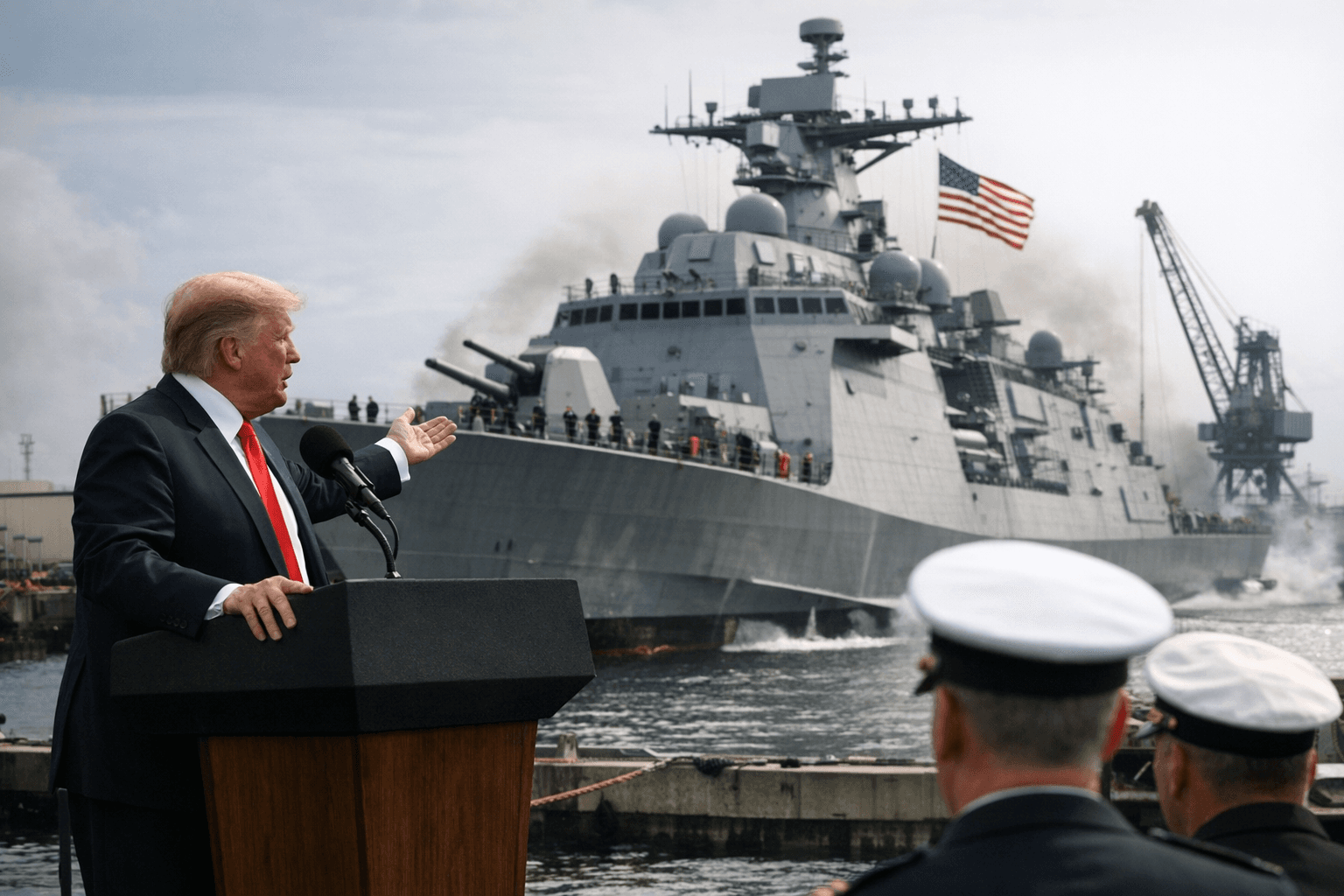
The timing underscores competing strategic priorities. The administration rolled out the plan while U.S. maritime forces are engaged in a naval blockade of Venezuela and at a time when analysts and officials warn that Chinese shipbuilding capacity is outpacing U.S. output. The president cited concerns about the condition and capacity of the existing fleet, and called for a revitalized domestic shipbuilding sector.
The announcement raises immediate practical and institutional questions. The administration outlined neither a detailed procurement timeline beyond the two and a half year readiness target, nor cost estimates, shipyard assignments, or how Congress will be asked to authorize and fund such a program. Independent technical verification of the advanced weapons described has not been presented by the administration, and officials have not released formal acquisition plans or analyses that would be required to move from announcement to contracts and construction.
Congress, the Navy's budget overseers and shipbuilding industry leaders will all play central roles in determining whether the Golden Fleet moves from concept to reality. For now the declaration sets a sweeping strategic agenda and shifts attention to the political and fiscal choices that will decide the future size and posture of the U.S. Navy.
This article was produced by Prism’s automated news system from verified source data, official records, and press releases, then run through automated quality and moderation checks before publishing. The system is built and supervised by the people who set the standards it runs under. Read our full AI policy.
Did this article answer your question?

