Trump Urges Iran Deal, Demands Strait of Hormuz Remain Open
Trump set a Monday deadline for Iran to reopen the Strait of Hormuz as oil hit $99 a barrel and U.S. forces searched a second day for a missing F-15 crew member inside Iran.
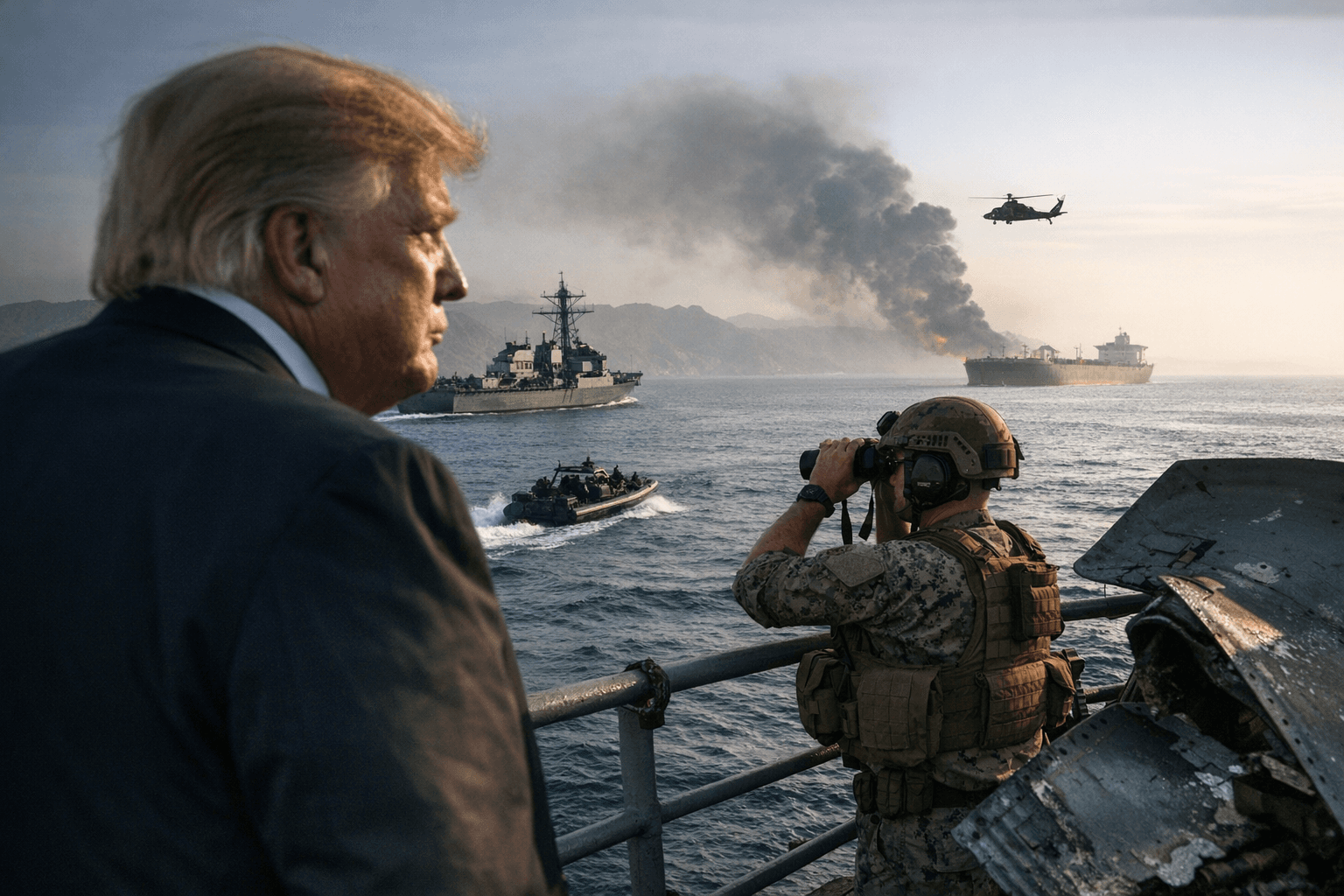
President Donald Trump pressed Iran for a ceasefire deal Saturday while tightening his deadline for Tehran to reopen the Strait of Hormuz, warning of devastating strikes as oil prices surged to their highest levels since 2022 and U.S. forces entered a second day searching for a missing crew member deep inside Iranian territory.
With roughly 20% of the world's oil supply cut off by Iran's closure of the strategic waterway, the economic damage has been swift. U.S. crude settled at $99.64 per barrel and international benchmark Brent crude closed at $112.57, levels not seen since Russia's invasion of Ukraine rattled energy markets in July 2022. The national average for unleaded gasoline passed $4 a gallon for the first time since 2022, reaching $4.08, with diesel hitting $5.51.
Trump made his position explicit: a ceasefire would be considered only if the Strait of Hormuz is "open, free, and clear." His social media warning gave Tehran until Monday, declaring "48 hours before all Hell will reign down on them" if the waterway remained blocked. Iran's response was defiant. The Islamic Republic denied that meaningful negotiations were underway and insisted the strait remains "decisively and dominantly under the control of the IRGC Navy."
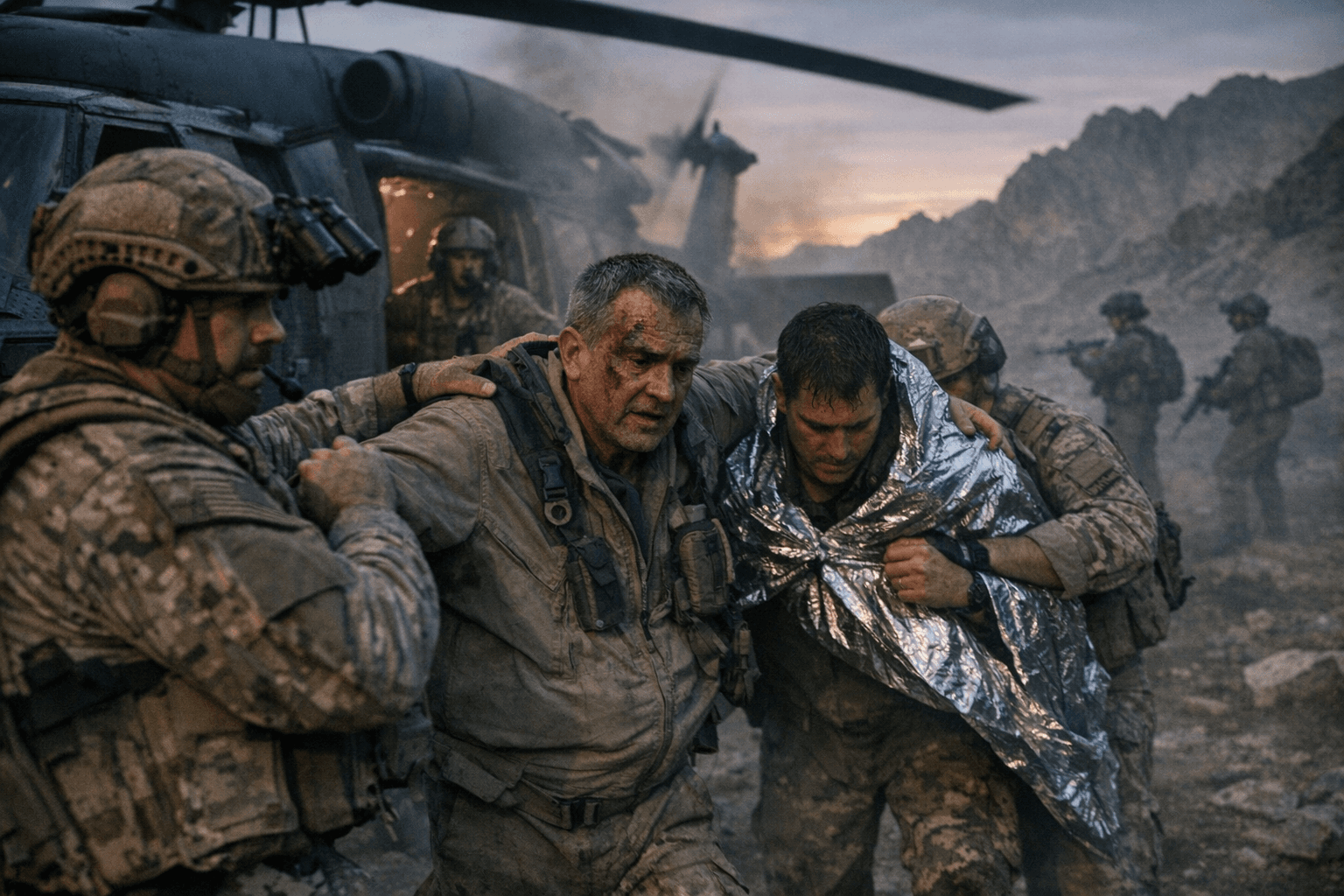
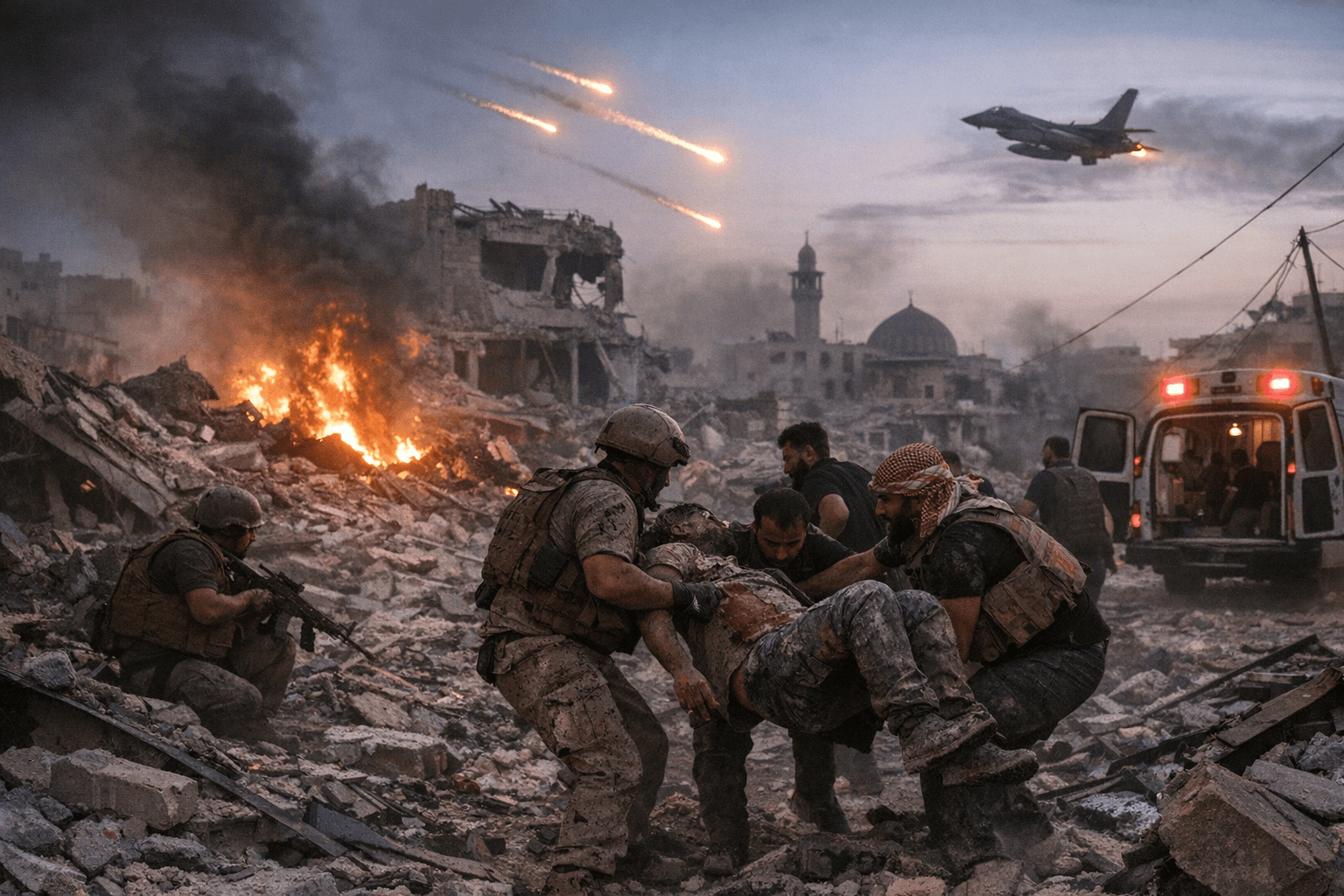
The standoff grew more acute as U.S. forces pushed a high-risk search-and-rescue mission into its second day Saturday. Iran shot down a U.S. F-15E Strike Eagle over southwestern Iran on Friday, along with a second American aircraft in separate attacks, marking the first confirmed loss of U.S. fighter jets in a conflict now stretching into its sixth week. One crew member from the F-15E was rescued; the other remains missing. Iranian state media broadcast a reward for anyone who turns the pilot in. U.S. special forces veterans described the rescue operation as "very dangerous" and "more complex" than typical missions, noting video that appeared to show Iranian police officers firing on American helicopters flying at low altitude over southwestern Iran.
Trump remained publicly silent on the downed aircraft even as he issued his Hormuz ultimatum. The White House and Pentagon declined to publicly release details about the crew or the rescue effort.
To limit economic fallout, the administration temporarily unwound oil sanctions on both Iran and Russia, a concession that analysts noted has benefited two adversaries while failing to meaningfully lower fuel costs. Trump told allied nations bearing the brunt of the closure to "build up some delayed courage, go to the Strait, and just TAKE IT," stopping short of a coordinated multilateral response even as British Prime Minister Keir Starmer convened a videoconference of world leaders to address the crisis.
Energy analysts warned the resolution timeline is everything. One analyst told CNBC that if the conflict ends within two to three weeks and the strait reopens, global markets might absorb the supply shock; if fighting continues past the weekend's ceasefire window, demand destruction could hit dangerous levels before the end of the month.
Trump paused strikes on Iranian energy infrastructure through April 6, creating a narrow diplomatic opening. Whether Iran moves to reopen the Strait before that window closes, or the conflict enters another phase of escalation, will shape both the fate of the missing airman and the trajectory of a war that has already fundamentally disrupted global energy markets.
Sources:
Know something we missed? Have a correction or additional information?
Submit a Tip