Trump urges Israel not to retaliate as fragile ceasefire strains
Trump pressed Benjamin Netanyahu not to retaliate after Iran fired about 10 missiles, testing whether his call can hold a ceasefire already cracking.

Trump's public bid to restrain Israel became an immediate test of his leverage over a close ally under fire. After Iran fired about 10 missiles at northern Israel, the first attack on Israel since the April 8 truce, Trump said he was asking Benjamin Netanyahu not to retaliate while he tried to keep the ceasefire from collapsing.
Trump said he would call Netanyahu and tell him not to strike back. "I am going to call Bibi right now and tell him not to retaliate. Each of them had their fun. Israel had its strike, and Iran had its strike. We don't need another one," he told Axios. He also said the latest exchanges would not derail his administration's peace talks with Tehran, and that he had told Netanyahu during a Sunday call to hold off because the United States and Iran were close to "doing something good" in a deal.
The pressure on the ceasefire intensified after Iran said its missile barrage was retaliation for an Israeli strike on Beirut's southern Dahiyeh suburb earlier in the day, an attack that Iran said had targeted Hezbollah headquarters. The Islamic Revolutionary Guard Corps called the missile launch a "warning" and said a broader response could include U.S. and Israeli targets if the "aggressions" continued.
Israeli officials said the missiles were intercepted and that no Israelis were hurt. That limited damage did not erase the strategic risk. The attack was the first on Israel since the April truce, and it exposed how quickly a local exchange can threaten a wider regional confrontation when both sides claim retaliation as justification.
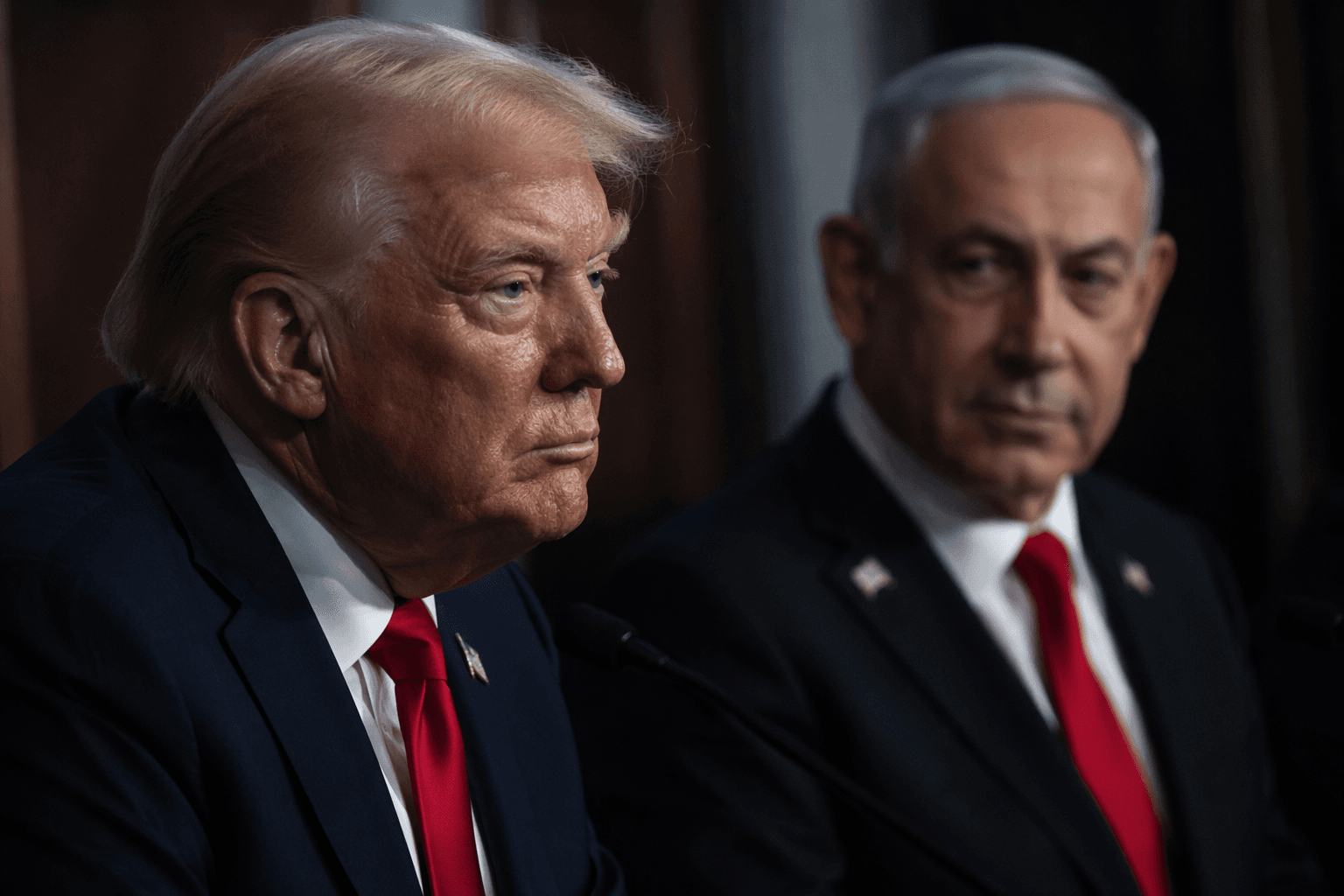
By late Sunday, Netanyahu had agreed to delay any immediate strike, and a U.S. official said an Israeli response was not likely to be imminent. Still, Israeli military chief Eyal Zamir said the Israel Defense Forces had not yet been directed to attack Iran but would do so "with determination" once ordered. The gap between Trump's call for restraint and Israel's military posture showed that U.S. influence can slow a crisis, but not necessarily end it.
The economic stakes were visible almost at once. Brent crude rose above $95 a barrel in early Monday trading after the flare-up, a reminder that every exchange between Israel and Iran now carries consequences well beyond the battlefield. For Trump, the question is no longer whether he can speak loudly enough to shape events, but whether his warning can hold long enough to keep negotiators at the table.
This article was produced by Prism’s automated news system from verified source data, official records, and press releases, then run through automated quality and moderation checks before publishing. The system is built and supervised by the people who set the standards it runs under. Read our full AI policy.
Know something we missed? Have a correction or additional information?
Submit a Tip

