Trump Warns Entire Civilization May Die as Iran Deadline Looms
Trump warned "a whole civilization will die tonight" before announcing a two-week Iran ceasefire brokered by Pakistan, just 90 minutes before his self-imposed deadline.
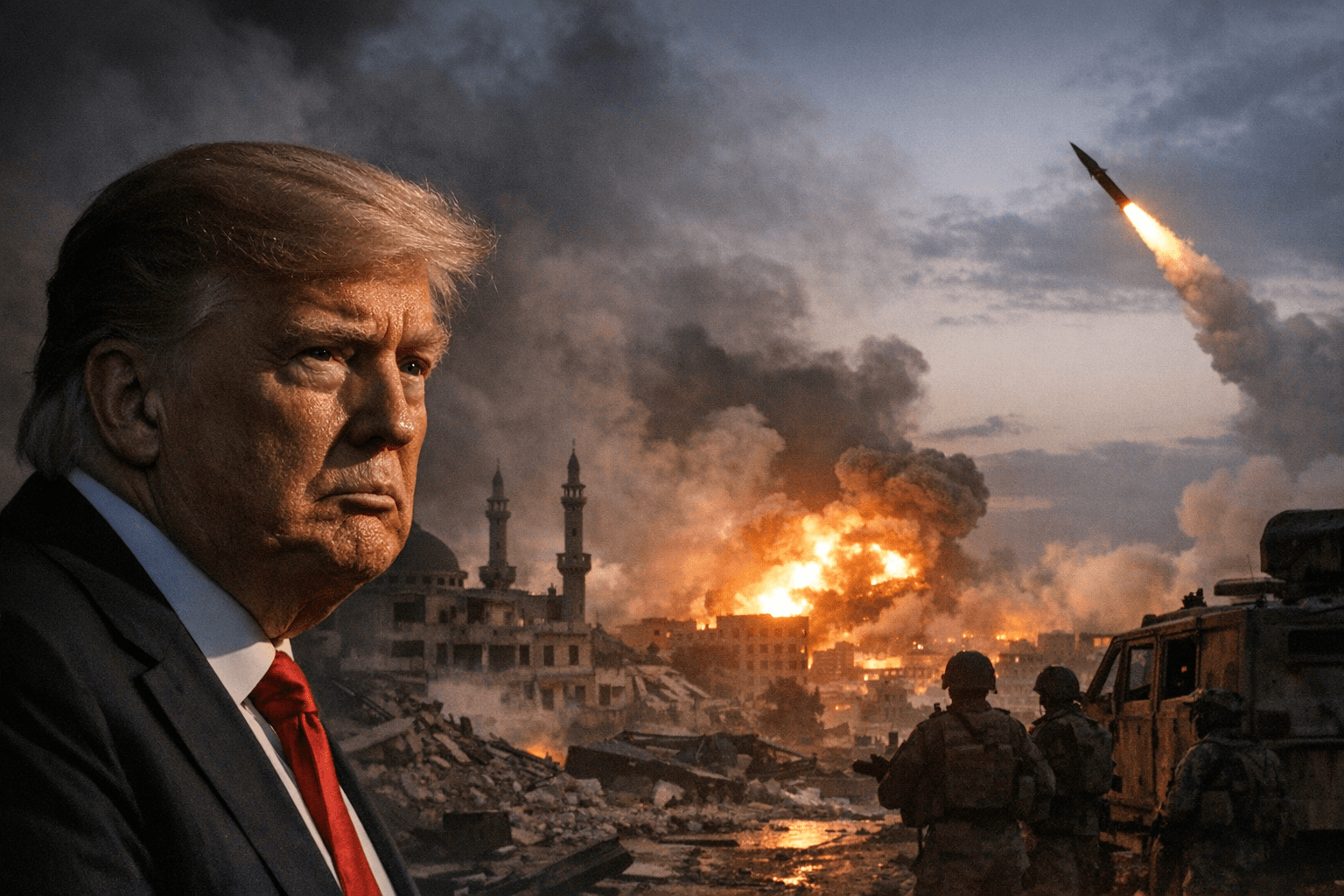
President Donald Trump posted one of the most alarming statements of the ongoing U.S.-Iran war Tuesday, warning on Truth Social that "a whole civilization will die tonight, never to be brought back again. I don't want that to happen, but it probably will," before pulling back roughly 90 minutes before his self-imposed 8 p.m. ET deadline to announce a two-week ceasefire brokered by Pakistan.
The post came as Trump had set 8 p.m. ET, April 7, corresponding to 3:30 a.m. Wednesday in Tehran, as the deadline for Iran to reopen the Strait of Hormuz or face bombardment of civilian infrastructure, including power plants, bridges, and desalination facilities. Legal experts warned that targeting such facilities would constitute a war crime. Trump, when asked whether he worried about violating international law, said: "No, no I'm not."
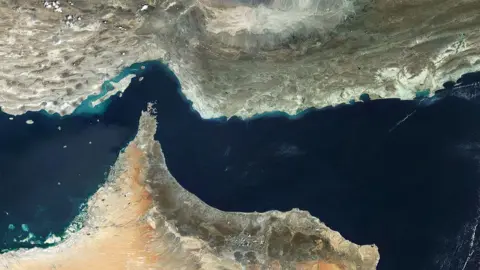
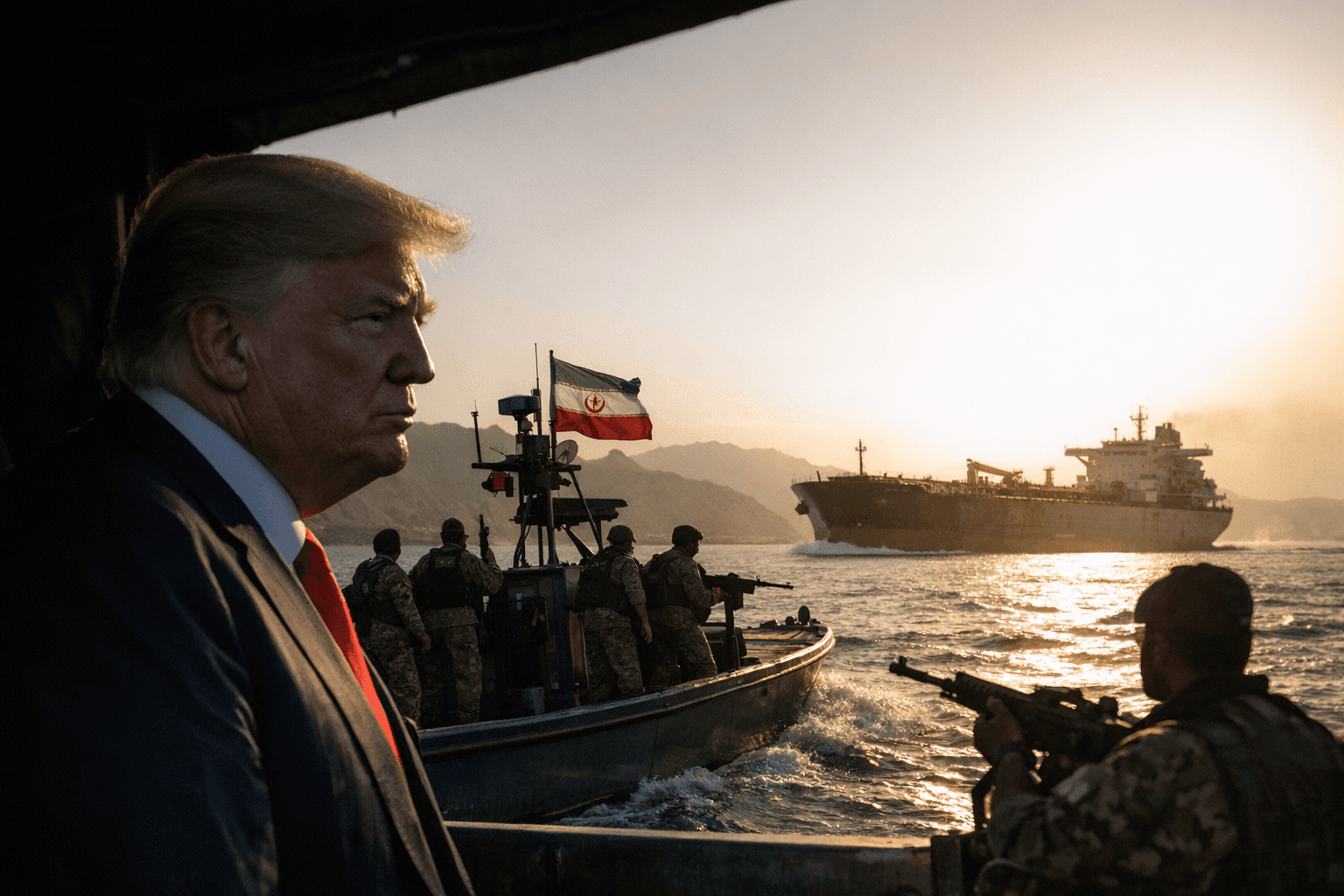
Ahead of the deadline, U.S. forces struck military targets on Kharg Island, Iran's main oil export terminal, while Israeli warplanes hit bridges and a railway station inside Iran. The Strait of Hormuz, through which roughly 20 to 30 percent of global oil and gas supplies move during peacetime, has been effectively closed since Iran's formal declaration on March 4, 2026.
The ceasefire followed a public intervention by Pakistani Prime Minister Shehbaz Sharif and Army Chief Field Marshal Asim Munir, who asked Trump on X to extend his deadline by two weeks and urged Iran to reopen the strait as "a goodwill gesture." Sharif called on all parties to "observe a ceasefire everywhere for two weeks to allow diplomacy to achieve conclusive termination of war, in the interest of long-term peace and stability in the region." White House Press Secretary Karoline Leavitt confirmed Trump was aware of the request and that "a response will come."
Trump's ceasefire post cited those conversations directly, writing that "subject to the Islamic Republic of Iran agreeing to the COMPLETE, IMMEDIATE, and SAFE OPENING of the Strait of Hormuz, I agree to suspend the bombing and attack of Iran for a period of two weeks." He called the arrangement "double sided" and said Iran had submitted a 10-point peace proposal that was "a workable basis on which to negotiate," covering the strait's reopening, an end to regional conflicts including in Lebanon, the lifting of sanctions, and reconstruction funding. Iranian Foreign Minister Abbas Araghchi confirmed Tehran's acceptance, pledging "safe passage" through the strait. Israel also agreed to suspend its strikes. Peace talks are expected in Islamabad as soon as Friday, with Vice President JD Vance, the lead U.S. interlocutor throughout the conflict alongside envoy Steve Witkoff, likely heading the American delegation.
The day's events drew sharp Democratic condemnations while top Republicans remained largely silent. House Minority Leader Hakeem Jeffries called Trump "completely unhinged" and demanded Congress reconvene to "end this reckless war of choice in the Middle East before Donald Trump plunges our country into World War III." Sen. Chris Murphy called the threatened infrastructure strikes a "war crime." Rep. Yassamin Ansari, the daughter of Iranian immigrants, invoked the 25th Amendment, calling Trump "a deranged lunatic, and a national security threat." Trump's response was brief: "I don't care about critics."
The conflict began February 28, 2026, when the U.S. and Israel launched Operation Epic Fury, killing Supreme Leader Ali Khamenei in the opening strikes. Iran responded by closing the strait and conducting at least 21 confirmed attacks on merchant ships by early March, killing five crew members. The war's economic damage has been described as the world's largest supply disruption since the 1970s energy crisis, with chemical and steel manufacturers in the U.K. and EU imposing surcharges of up to 30 percent on energy and feedstock costs.
Iran is heir to one of history's most influential civilizations, a lineage stretching back millennia, lending Trump's rhetoric a weight that extended well beyond the diplomacy of the moment. Whether the Islamabad talks can convert that two-week pause into something durable is now the central question of the war.
Sources:
Know something we missed? Have a correction or additional information?
Submit a Tip