Trump warns Iran, move quickly or face destruction
Trump told Iran the clock was ticking and warned there would be "nothing left" if Tehran did not move fast. The threat landed as nuclear and maritime talks remained stalled.
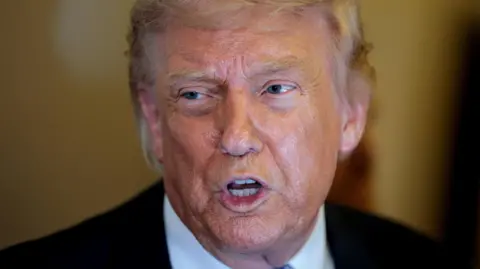
Trump sharpened his warning to Iran on Sunday, saying the country should "get moving, FAST" or there "won’t be anything left" of it. In a Truth Social post, the president wrote, "For Iran, the Clock is Ticking, and they better get moving, FAST, or there won’t be anything left of them. TIME IS OF THE ESSENCE!" The message was the bluntest sign yet that the White House was tying diplomacy to the threat of force.
The language arrived at a moment when U.S.-Iran talks had already run into a wall over the issues that matter most: Iran’s nuclear program, sanctions relief, war compensation and control of the Strait of Hormuz. Iran had sent its response to a U.S. peace proposal through Pakistani mediators, and the first phase of negotiations was meant to focus on ending hostilities and maritime security in the Gulf and the Strait of Hormuz. Instead, the exchange has left the ceasefire shaky and the diplomatic track uncertain.
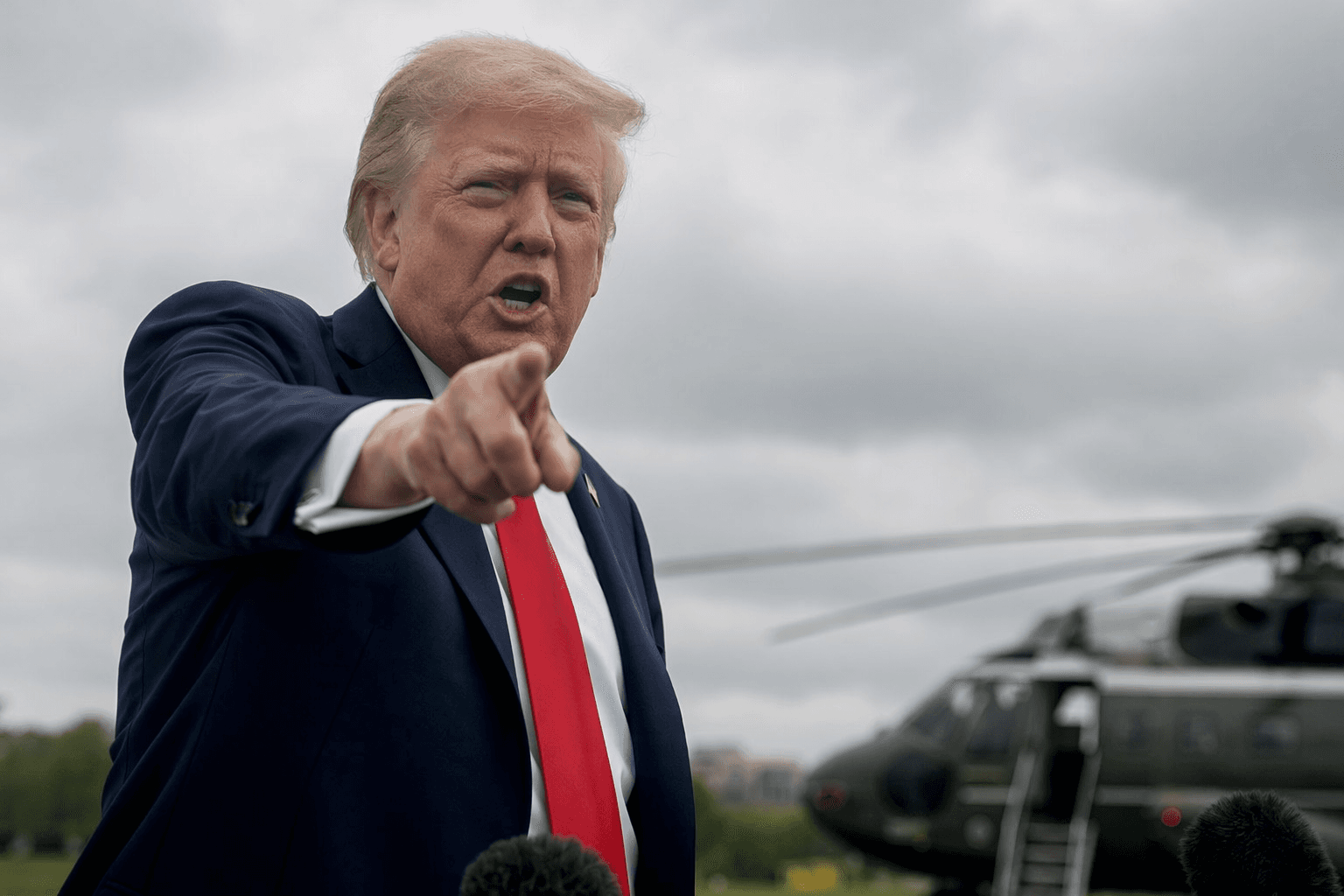
What makes Trump’s latest warning important is the gap between the rhetoric and the state of the talks. A genuine move toward escalation would show up in concrete steps: a breakdown in mediation, new military deployments, or direct action against Iranian targets. A negotiating tactic would look different, with both sides edging back toward compromise on the same disputes that remain unresolved. Those include Tehran’s nuclear limits, the lifting of sanctions, the issue of reparations, and freedom of navigation through the Strait of Hormuz.
Iranian media have argued that Washington has not offered meaningful concessions in its latest response, while U.S. officials have said Iran’s refusal to accept key demands has put military options back on the table. Trump has already rejected Iran’s answer as unacceptable, leaving the ceasefire on fragile ground. That uncertainty has fed concern over shipping disruptions near the Strait of Hormuz and pushed global energy markets higher as traders price in the risk of a wider conflict.
The next signal will not be another post. It will be whether Tehran softens on the nuclear file, whether Washington offers sanctions relief or other concessions, and whether maritime security in the Gulf becomes a shared priority instead of a new point of confrontation. For now, Trump’s warning reads less like a settled decision for war than a pressure campaign aimed at forcing Iran back to the table.
Know something we missed? Have a correction or additional information?
Submit a Tip