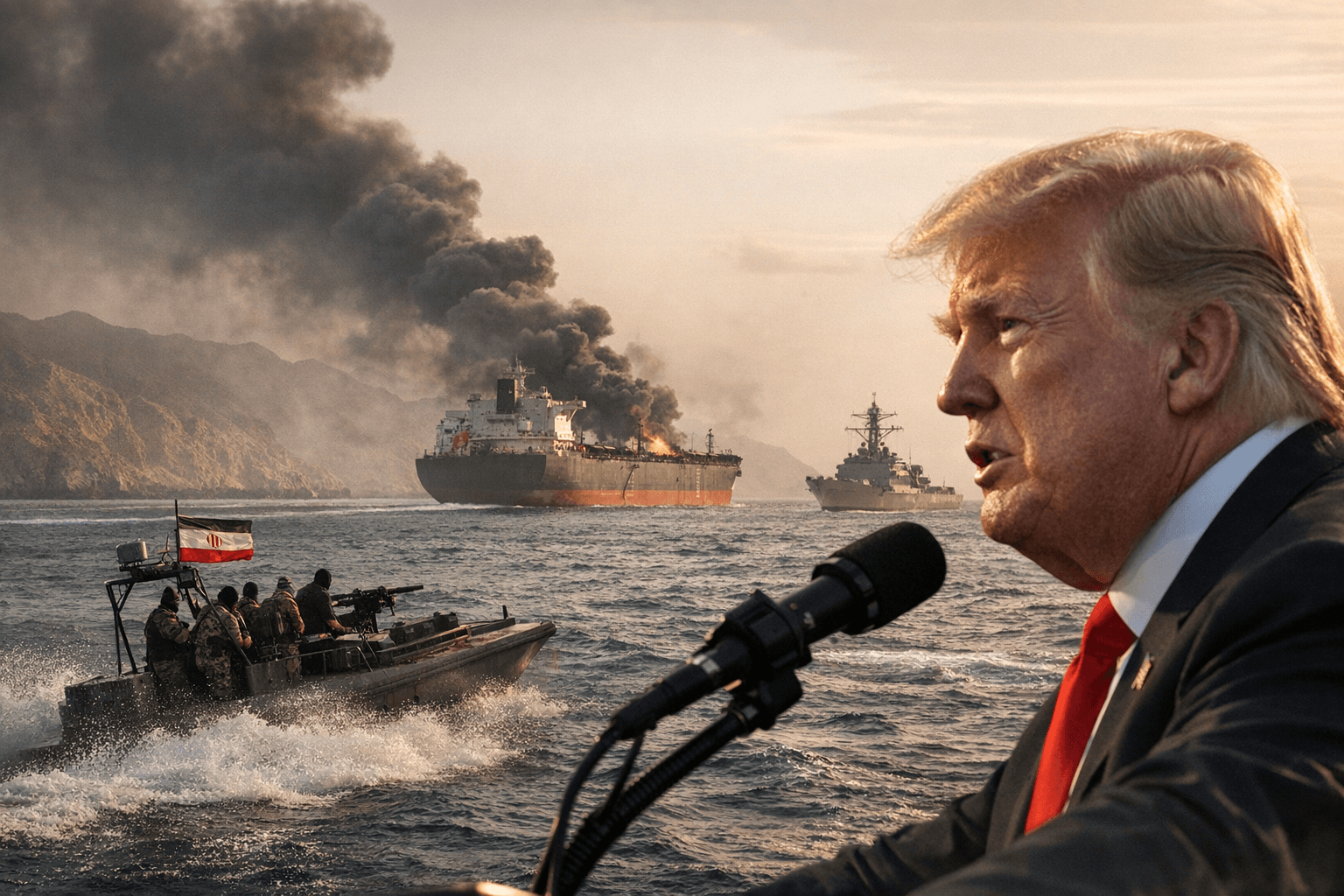
Trump Warns Iran War Continues for Weeks, Sending Markets and Oil Surging
Trump's vow to hit Iran 'extremely hard' for weeks sent Brent crude past $105, with $200-a-barrel oil looming if the Strait of Hormuz stays closed.
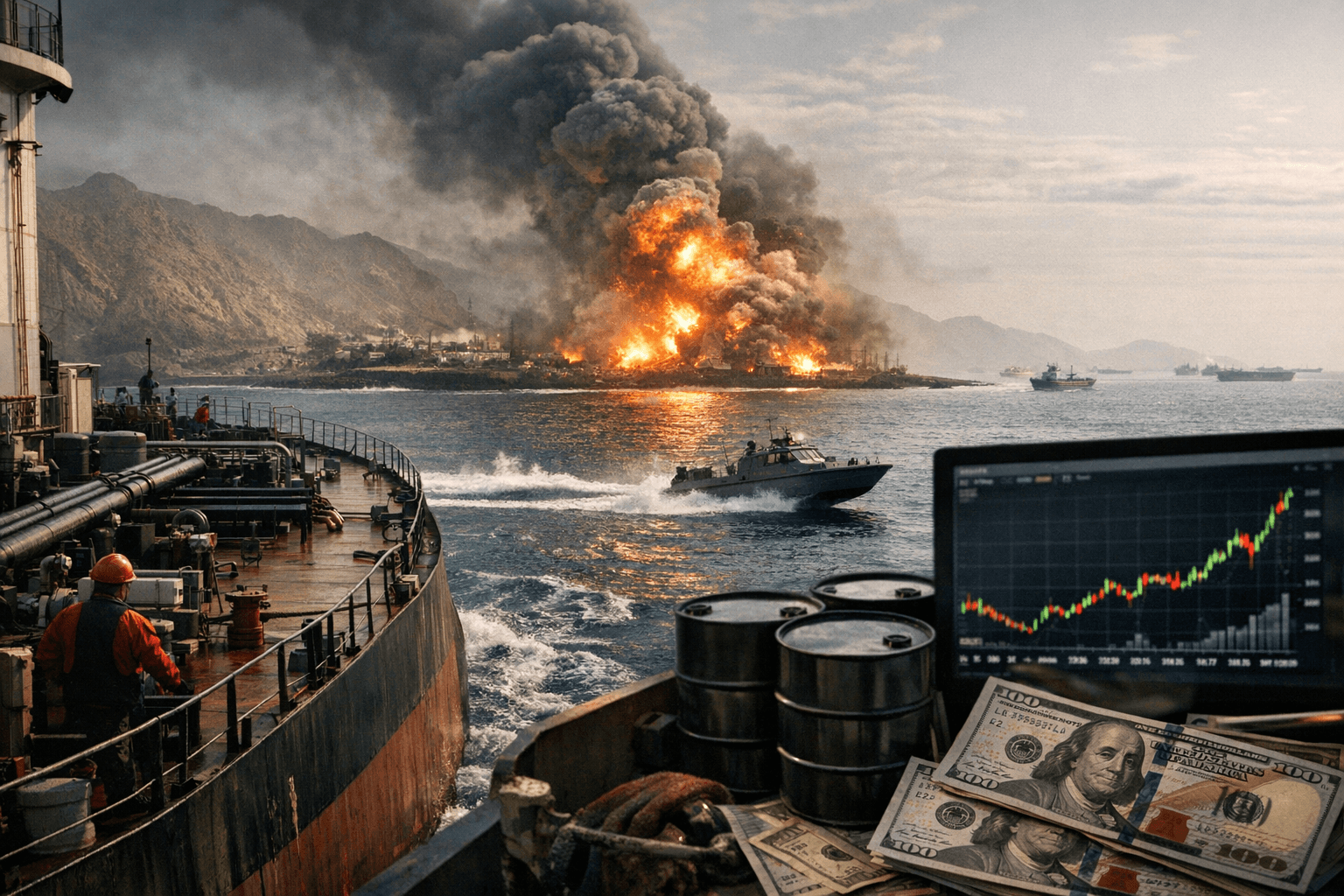
President Donald Trump told the nation late Wednesday that U.S. military operations against Iran would intensify over the next two to three weeks, extinguishing hopes for a near-term ceasefire and triggering immediate shockwaves across global markets on day 33 of the conflict.
Brent crude surged more than 4% to trade above $105 per barrel in the hours following the address, part of a volatile leg up in energy prices that had already briefly touched $120 before diplomatic signals temporarily cooled the market. S&P 500 and Nasdaq 100 futures each slipped more than 0.1%, while Dow Jones Industrial Average contracts hovered in negative territory. The dollar firmed against major currencies as risk assets broadly retreated.
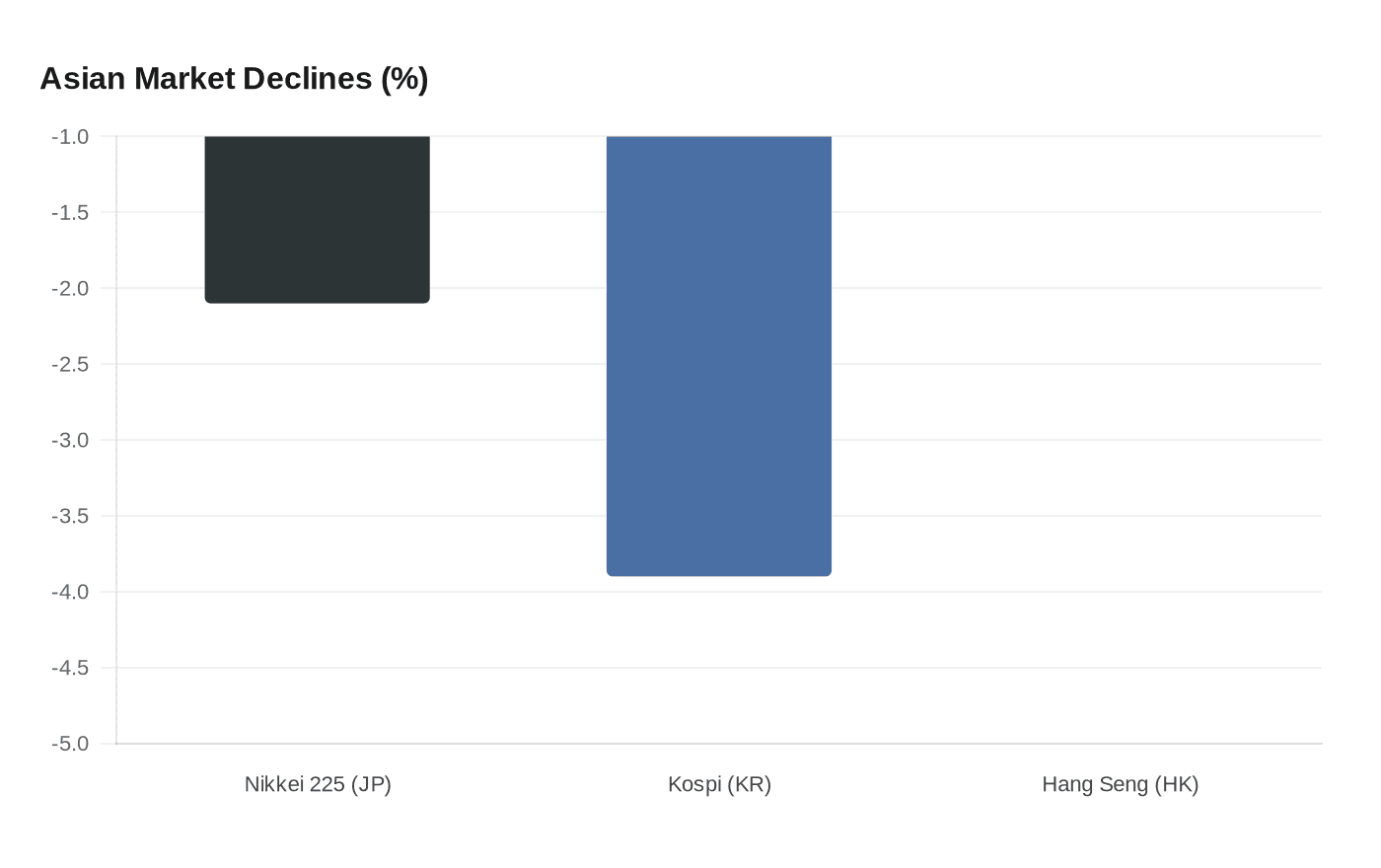
Asian markets absorbed the brunt of the overnight selling. Japan's Nikkei 225 fell 2.1%, South Korea's Kospi shed 3.9%, and Hong Kong's Hang Seng slid 1% as investors recalibrated the duration premium baked into energy prices.
Trump's remarks were unambiguous on both timeline and intensity. "We're going to hit them extremely hard over the next two to three weeks," he said, adding, "We're going to bring them back to the stone ages, where they belong." He warned that absent a deal, the U.S. would strike Iran's electricity-generating plants hard and simultaneously. He also insisted the operation would end quickly, saying, "We are going to finish the job, and we're going to finish it very fast." Trump noted that discussions with Tehran remain ongoing, leaving a diplomatic off-ramp nominally on the table, though markets moved as if that language was largely performative.
The variable commanding the most anxiety in trading desks is the Strait of Hormuz. Analysts warn that if the chokepoint, which handles roughly a fifth of the world's seaborne oil supply, remains closed, crude could reach $200 per barrel. That scenario is no longer purely hypothetical: Trump is reportedly weighing a peace framework that would end hostilities without a guarantee the strait reopens, a prospect that has rattled energy traders more than the military timeline itself. Oil's recent run to nearly $120 a barrel would look modest by comparison.
Sector divergence has become stark. Energy producers and defense contractors have been among the few consistent winners, while airlines face compounding pressure: jet fuel costs are climbing as aviation infrastructure across the Gulf, including Dubai, has taken damage. Tech stocks, reflected in Nasdaq futures declines, are contending with risk-off sentiment and supply chain exposure tied to Asian manufacturers dependent on Middle Eastern energy routes.
The United Arab Emirates escalated the geopolitical calculus Wednesday by signaling it is prepared to enter the conflict directly, calling for a UN-backed coalition to reopen the Strait of Hormuz by force. If that materializes, it would be the first Gulf-state military entry into the war, a development that futures markets have not yet fully priced.
Three catalysts will drive the next directional move in oil and equities: whether any Hormuz shipping lanes reopen, whether the Tehran negotiations produce any verifiable framework, and whether the Federal Reserve signals concern about energy-driven inflation feeding into its rate path. Trump says the job will be finished fast. At $105 a barrel, the market's counter-offer is skepticism.
Know something we missed? Have a correction or additional information?
Submit a Tip