Trump weighs 60-day cease-fire extension as Iran deal hangs in balance
Trump left the Situation Room without a final call, keeping a tentative 60-day truce extension in limbo. The pause may signal leverage or a deal neither side has fully accepted.
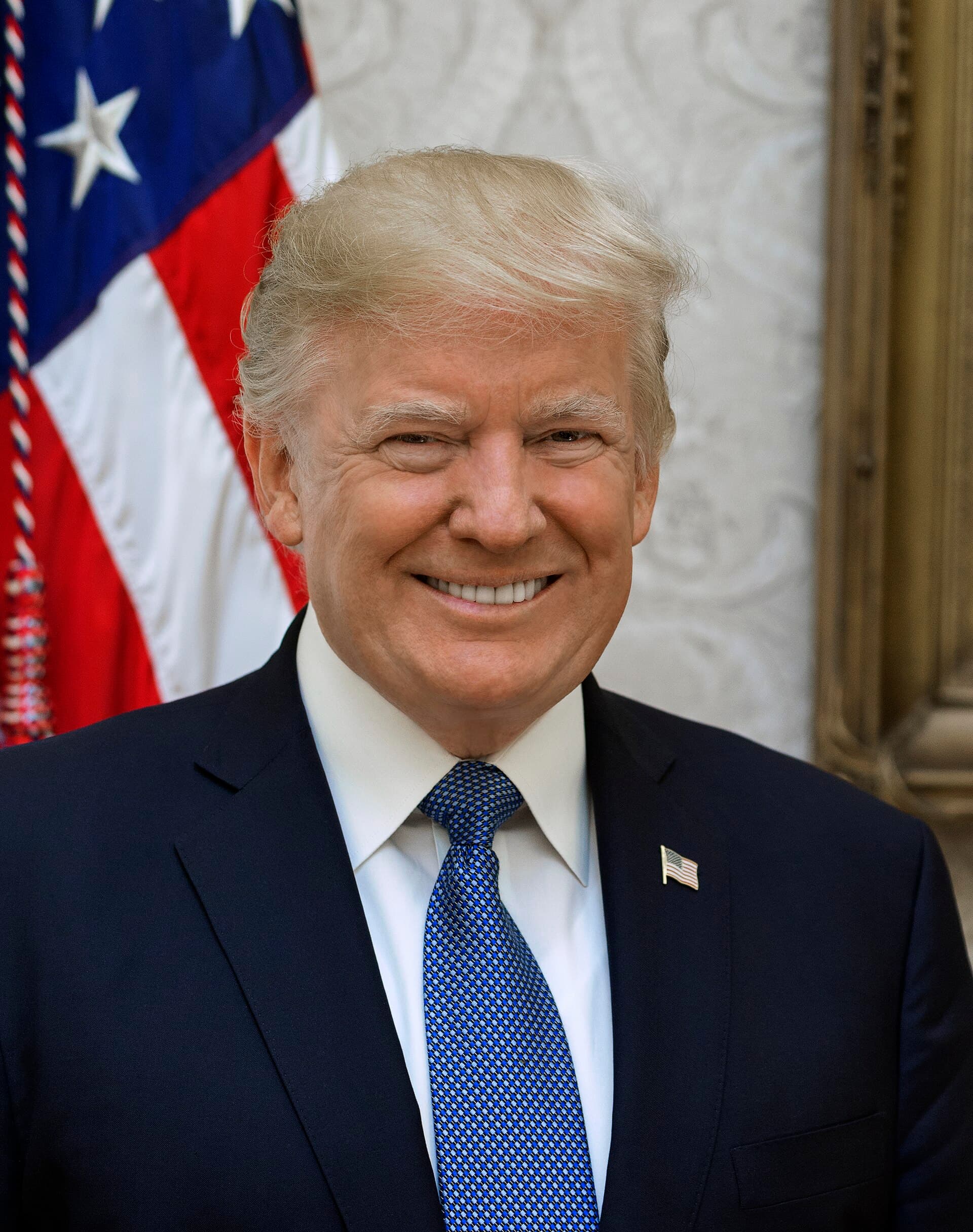
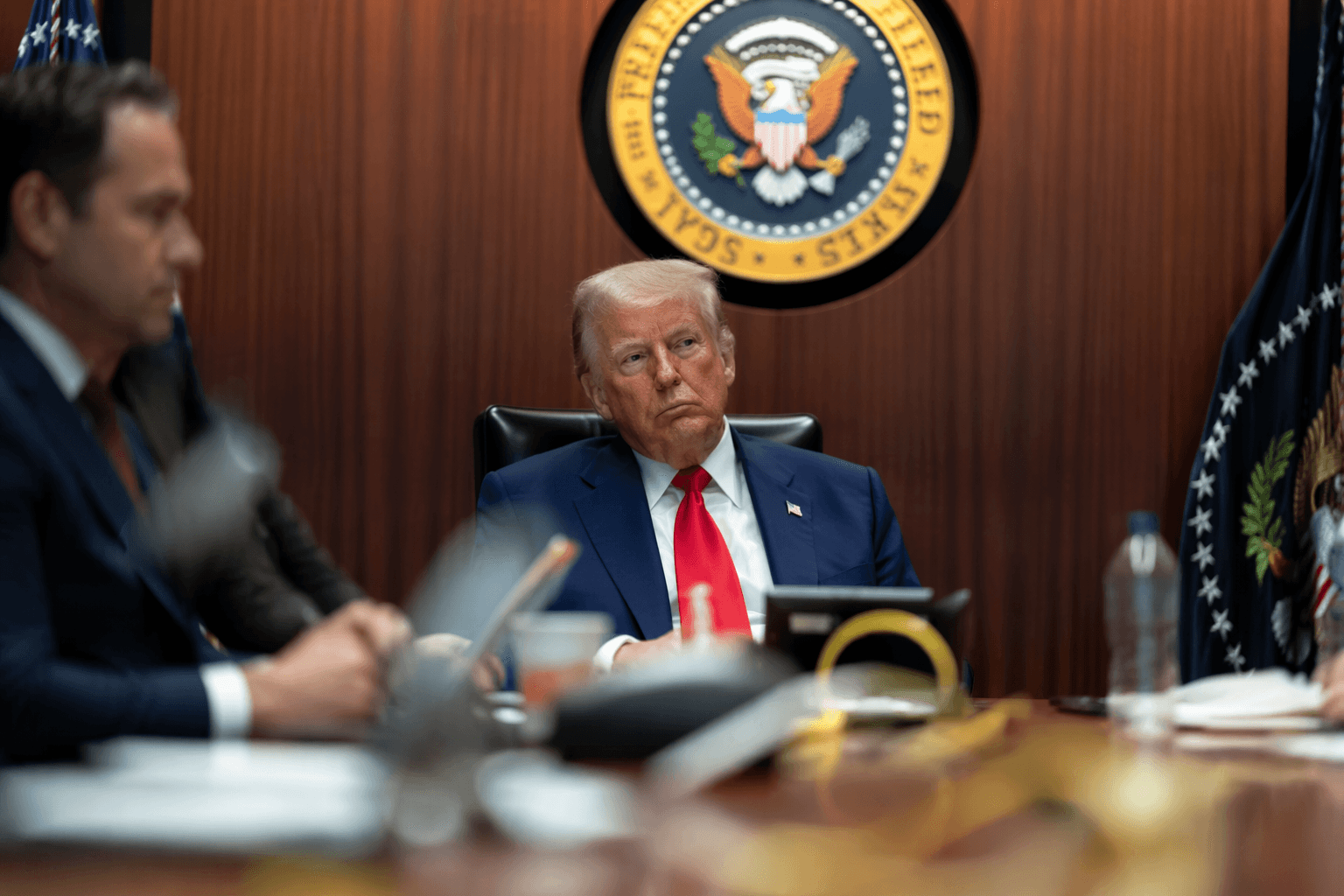
Trump spent about two hours in the White House Situation Room with aides on May 29 and still did not announce a final decision on a possible cease-fire extension, leaving a fragile U.S.-Iran framework hanging in the balance. The delay has turned the pause itself into the story: whether the White House was trying to squeeze out leverage, masking internal disagreement, or confronting Iranian terms it could not publicly embrace.
The proposal under discussion would extend the cease-fire by 60 days and open the door to further talks on Iran’s nuclear program. The draft also would reopen the Strait of Hormuz to unrestricted shipping, a move with immediate stakes for global energy markets and for countries that depend on the waterway, including Kuwait and Oman. The conflict had already lasted about three months, and talks in April had failed to produce a peace deal.
Trump had signaled earlier in a Truth Social post that he was ready to decide, then laid out conditions Iran would have to accept. He said Iran must never obtain a nuclear weapon, that the Strait of Hormuz must be immediately open with no tolls, and that U.S. naval blockade measures would be lifted. He also said nuclear material would be destroyed in coordination with Iran and the International Atomic Energy Agency.
Yet the pause exposed how far the sides still were from a finished agreement. The draft still needed Trump’s sign-off, and Iranian leadership had not given final approval either. Fars news agency said the draft text did not include some of the provisions Trump described and suggested the most important unresolved issue was $12 billion in frozen Iranian assets.
The uncertainty also reached the waters themselves. U.S. military searches had not found definitive evidence of Iranian mines in the Strait of Hormuz, even though U.S. intelligence had previously assessed that Iran may have placed mines there. That gap between allegation and proof underscored how quickly the dispute could tip from negotiation into escalation.
Markets noticed the hesitation. Oil prices fell after Trump’s post, reflecting how closely traders are watching the narrow waterway and the prospect of renewed diplomacy. Aaron David Miller, a former State Department negotiator, described the proposal as a "ticket to a negotiation," not a final peace settlement, a reminder that any extension would only buy time for the harder arguments over sanctions relief, nuclear limits and the price of a broader deal.
This article was produced by Prism’s automated news system from verified source data, official records, and press releases, then run through automated quality and moderation checks before publishing. The system is built and supervised by the people who set the standards it runs under. Read our full AI policy.
Know something we missed? Have a correction or additional information?
Submit a Tip