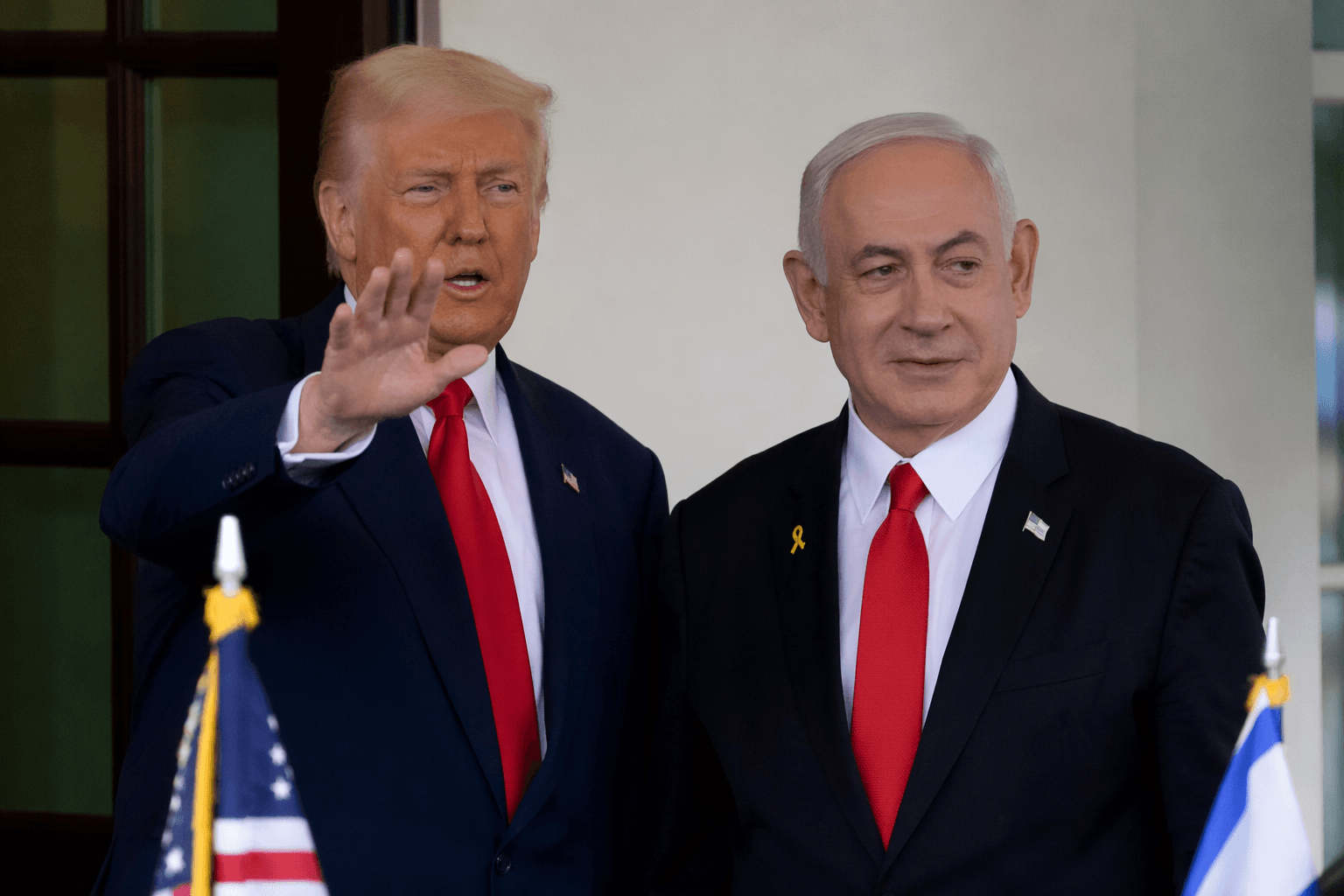
Trump weighs first direct call with Taiwan leader amid arms sale delay
Trump’s plan to speak directly with Lai Ching-te would shatter a 1979 taboo just as a $14 billion Taiwan arms package sits in limbo.
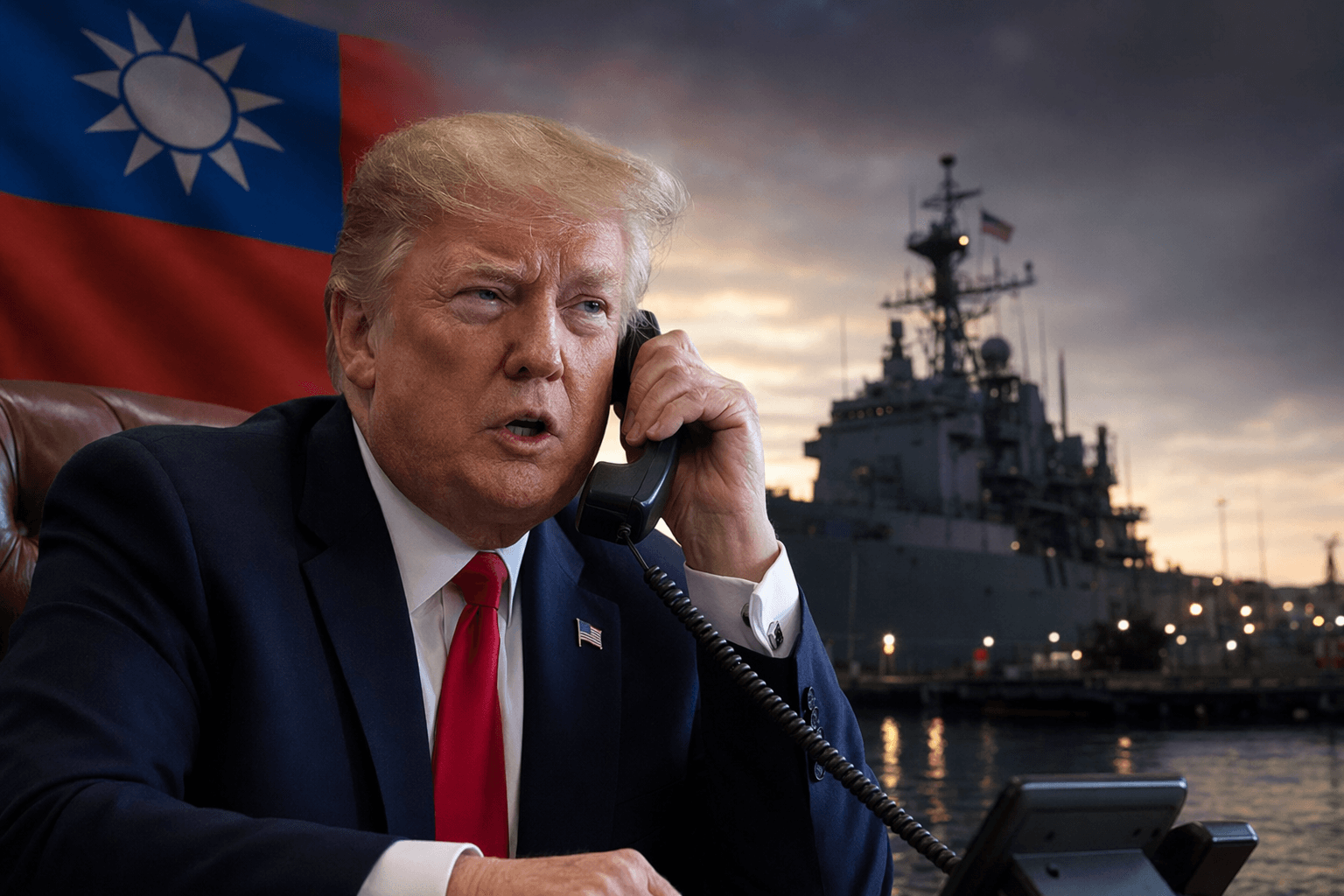
Trump’s mooted call with Taiwan’s leader would break a diplomatic red line that has held for more than four decades, and it comes as a $14 billion arms package for Taipei remains stuck in White House limbo. Since Washington switched recognition from Taipei to Beijing in 1979, U.S. and Taiwanese presidents have not spoken directly, a restraint that has helped keep the one-China framework, and the politics around it, from tipping into open crisis.
The legal guardrails are just as important as the protocol. After the recognition shift, Congress passed the Taiwan Relations Act, which says the United States should help maintain peace, security and stability in the Western Pacific and provide Taiwan with defense articles and services needed for self-defense. That is the basis on which Taiwan has continued to press for U.S. weapons, and on which Beijing has repeatedly objected, while continuing to claim Taiwan as its own territory and refusing to renounce the use of force.
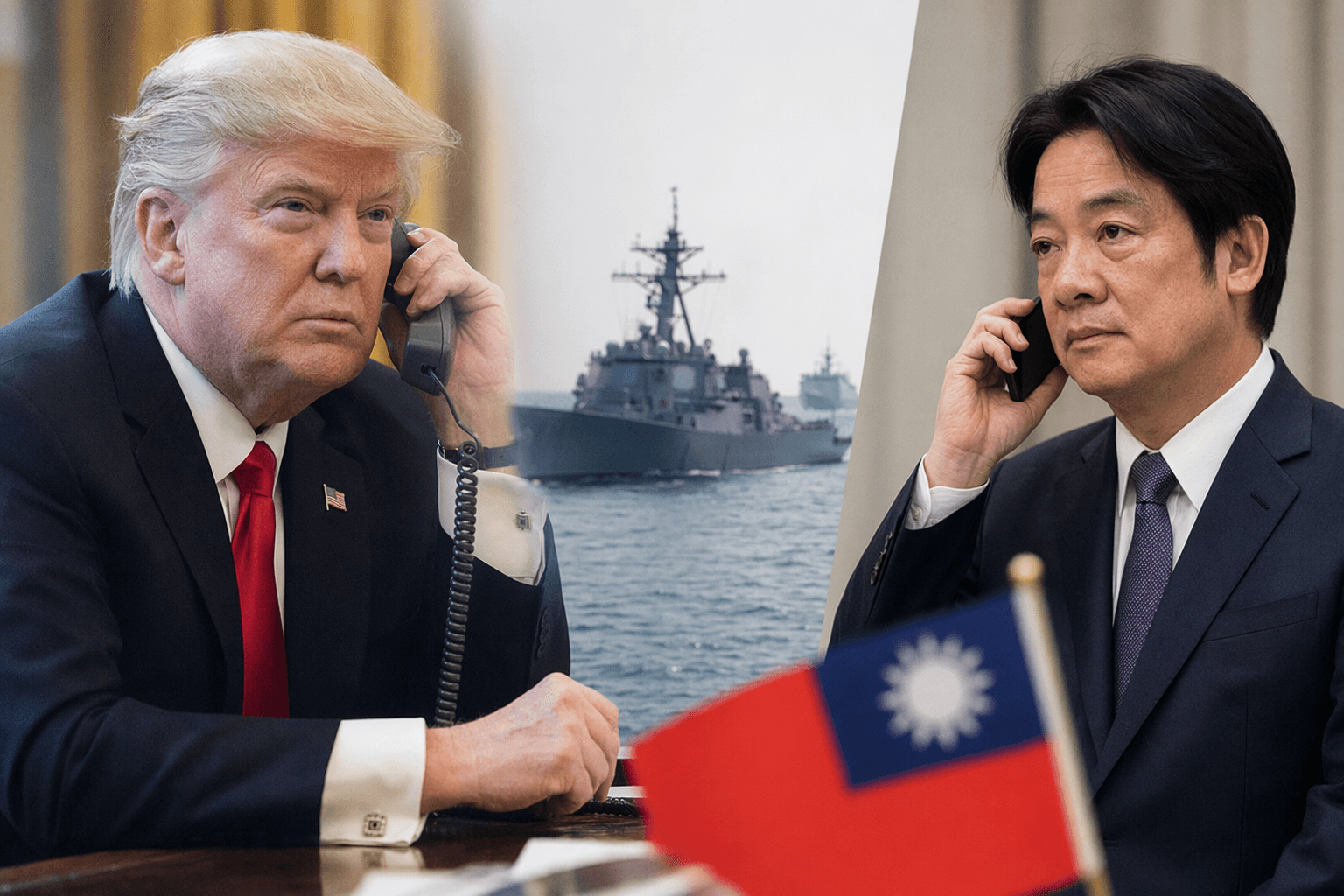
Trump said he would speak with Lai Ching-te as the administration weighed the package, and he said Taiwan and arms sales were part of his conversations with Xi Jinping in Beijing. He also suggested the sale could be used as a bargaining chip with China, a signal that immediately raised the stakes for allies and adversaries alike. A direct Trump-Lai conversation would not just be symbolic. It would mark the first known presidential contact between Washington and Taipei since 1979 and could force recalculations in Beijing, Taipei and other capitals across the region.
The delay has already triggered bipartisan concern in Washington. Congress approved the $14 billion package in January 2026, but the administration has still not finalized it. On May 12, eight senators led by Jeanne Shaheen and Thom Tillis urged Trump to formally notify Congress, arguing that Taiwan’s recent approval of a new military spending plan removed any remaining rationale for holding back. They said the package would include drones, anti-ship missiles, radar systems and mines, conventional and asymmetric systems meant to make any Chinese invasion prohibitively costly.
Taiwan has kept up its own pressure. Its foreign ministry said Lai would be happy to talk to Trump and that Taiwan remained committed to the status quo in the Taiwan Strait. Lai said he hoped to continue buying U.S. arms, calling them essential for peace. The debate is unfolding after Washington approved a record $11.1 billion arms sale to Taiwan in December 2025, the second such sale of Trump’s second term, covering HIMARS, Harpoon support, Javelin missiles, TOW missiles and M109A7 howitzers. Together, the call and the delay underline how a single rhetorical shift in Washington could ripple through deterrence planning, diplomacy and crisis risk across East Asia.
Know something we missed? Have a correction or additional information?
Submit a Tip