Trump, Xi set for cautious Beijing summit as Iran war looms large
Iran, tariffs and Taiwan will dominate Trump’s May 14-15 Beijing trip, but the bigger test is whether the two sides can stop a fragile truce from unraveling.
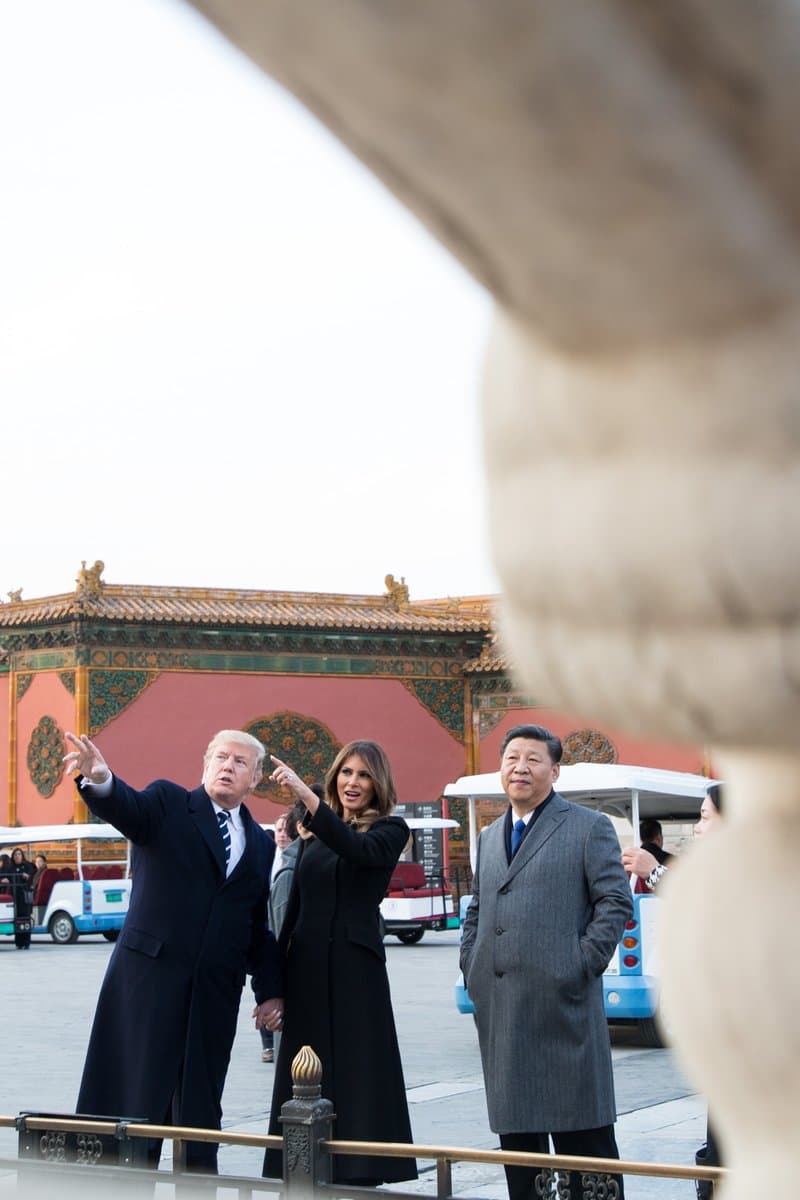
Donald Trump and Xi Jinping are heading into their Beijing summit with low expectations and high stakes. The meeting, set for May 14-15, will be Trump’s first visit to China since November 2017 and their first face-to-face encounter since a roughly 100-minute meeting in Busan, South Korea, on October 30, 2025. That encounter produced a tactical truce, not a broad reset, and the same restraint now hangs over Beijing.
The most immediate complication is the Iran war, which is expected to dominate the agenda and could crowd out progress on tariffs and rare-earth supplies. Scott Bessent has already signaled that Iran will come up, and CNBC reported that the White House had not formally invited a full executive delegation, with the business contingent possibly smaller than on past China trips. Boeing chief executive Kelly Ortberg and Citigroup chief executive Jane Fraser were expected to travel, but the reduced corporate presence itself underscores how tightly the White House is managing expectations. One Chinese academic quoted by CNBC said ending the war would be a “great relief to global business” and could be remembered as a success of the summit.
Taiwan remains Beijing’s sharpest priority. The Straits Times reported that Xi has made clear Taiwan will sit at the top of his agenda, and Chinese policy adviser Wu Xinbo has argued that if Washington does not want war over Taiwan, it should not support Taiwan independence. For Washington, the line is narrower: the United States says it does not support Taiwan independence, maintains a one China policy and continues to help Taiwan defend itself. That is the kind of guarded language both sides have used to keep tensions from tipping into crisis, even as the strategic rivalry deepens.
Trade is no less unsettled. Brookings said the Trump administration is trying to reconstruct its tariff regime after a Supreme Court ruling in February 2026 found many previous tariffs unlawful, raising the risk that Beijing could see any restoration as a violation of the fragile ceasefire. In Busan, tariffs on Chinese imports were lowered from 57% to 47%, but the current talks are unfolding against a more dangerous geopolitical backdrop, with AI, military risk and supply-chain resilience also likely to surface. Brookings said outside observers should have low expectations, in part because Washington’s bureaucratic preparation has been thin.
That makes the summit’s symbolism matter as much as any communique. Both sides are trying to prevent something larger than a failed deal: renewed tariff escalation, a sharper Taiwan confrontation, and a breakdown in the limited guardrails that still separate competition from crisis. If the meeting yields only modest signals, such as a calmer trade channel, a clearer line on Taiwan or even a shared willingness to keep the Iran war from spilling further into global markets, that would still count as progress in a relationship defined by distrust.
This article was produced by Prism’s automated news system from verified source data, official records, and press releases, then run through automated quality and moderation checks before publishing. The system is built and supervised by the people who set the standards it runs under. Read our full AI policy.
Did this article answer your question?