Trump, Xi to meet in Beijing as fragile tariff truce hangs in balance
A 10 percent tariff floor still shadows U.S.-China trade as Trump and Xi head to Beijing, with soybeans, jets and rare earths all in play.
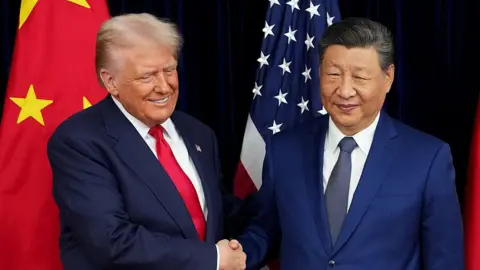
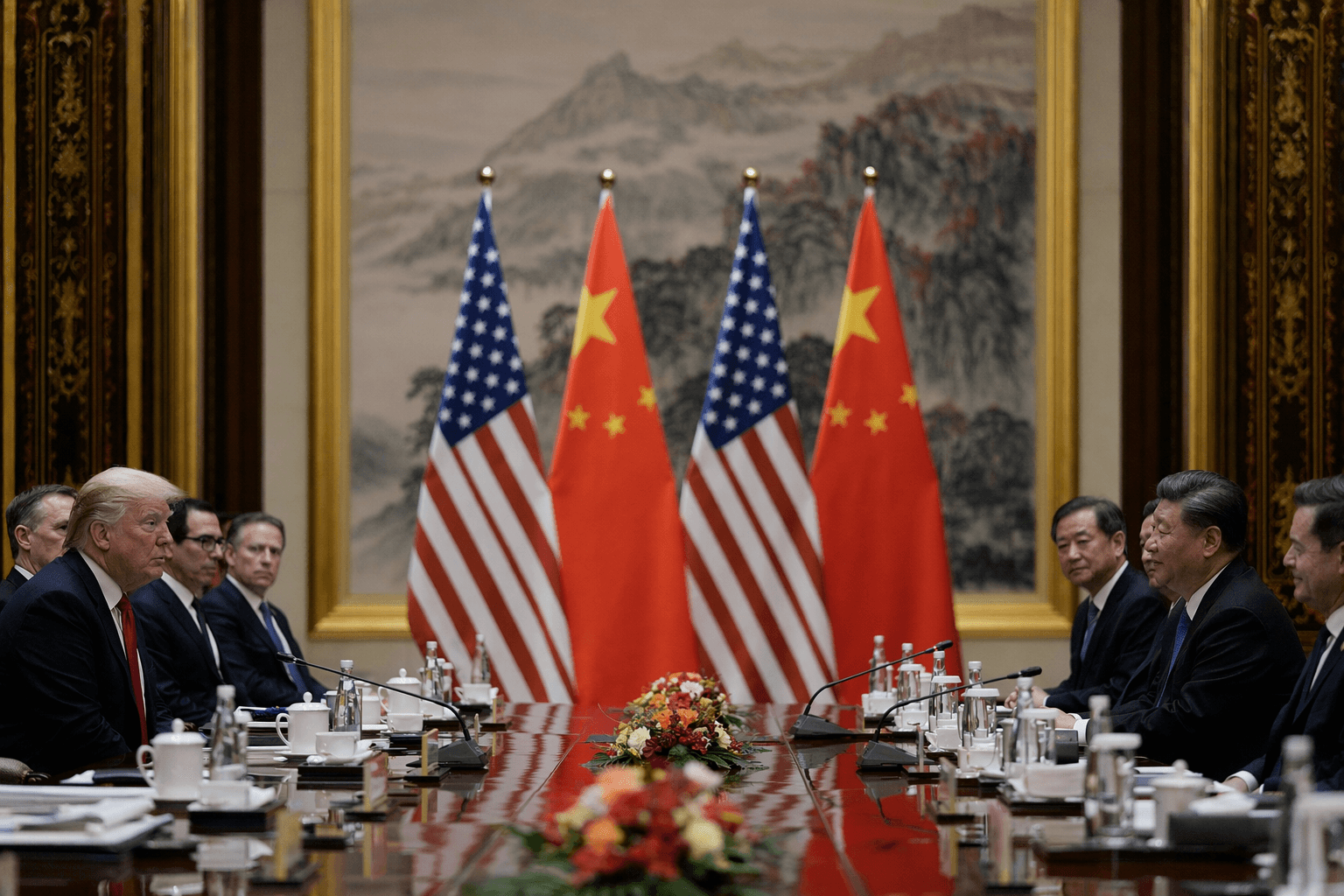
Donald Trump and Xi Jinping will meet in Beijing on May 14-15 with a fragile tariff truce still doing most of the heavy lifting between the world’s two biggest economies. It will be the first visit by a U.S. president to China since November 2017, and the stakes are as practical as they are geopolitical: whether the pause in tariff escalation keeps a lid on prices, or merely postpones the next round of pressure on importers, farmers and manufacturers.
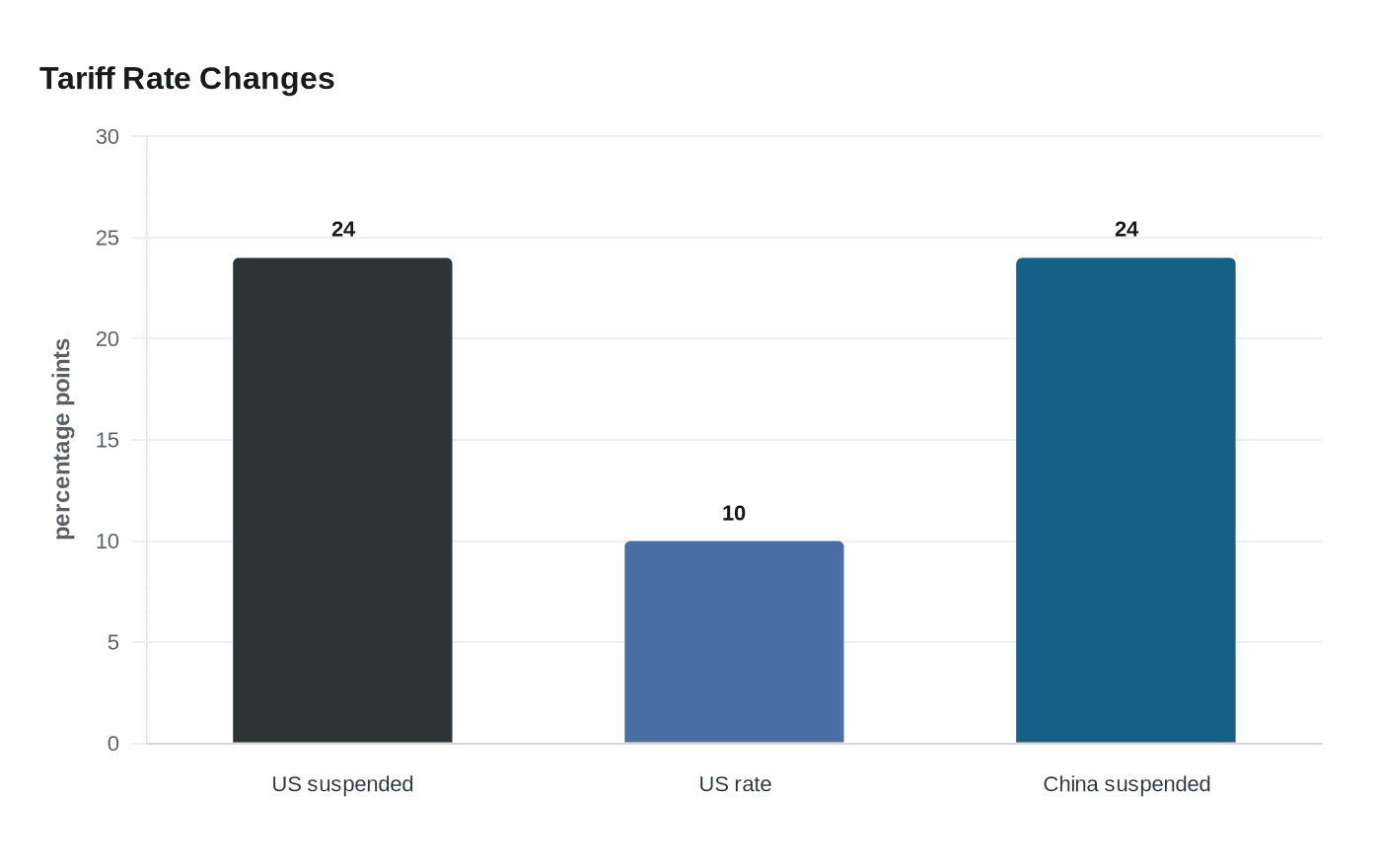
The current arrangement is narrow, not transformative. In Geneva on May 12, 2025, the United States suspended 24 percentage points of its additional tariff rate on Chinese goods for an initial 90 days while keeping a 10 percent rate in place and rolling back some April 2025 actions. China matched that move, suspending 24 percentage points of its retaliatory tariffs and removing certain non-tariff countermeasures. By Nov. 4, 2025, the White House said the U.S. had converted the heightened China tariffs into a 10 percent additional duty during the continuing suspension.
There has been some relief around the edges. The United States Trade Representative extended 178 China Section 301 exclusions until Nov. 10, 2026, after they had been scheduled to expire in late 2025. That matters for companies that rely on Chinese inputs, because exemptions can mean lower costs for factories, warehouses and eventually household budgets. But the broader tariff burden still remains in place, and it continues to shape sourcing decisions across consumer goods, industrial parts and electronics.
The agenda in Beijing reaches well beyond tariffs. The two sides are also expected to confront advanced semiconductors, rare earths, soybeans, Boeing aircraft, Taiwan and the Iran war. China is pressing for relief from U.S. export curbs on advanced chips, while Washington wants steadier access to rare earths and critical minerals that are essential to everything from defense equipment to modern electronics. Reuters has reported that Beijing could offer purchases of 25 million metric tons of U.S. soybeans a year for three years, a potential boost for American farm states. Boeing has also been in prolonged talks over a possible China order that could include 500 737 MAX jets, along with dozens of wide-body aircraft.
The meeting follows the October 30, 2025 encounter in Busan, South Korea, which produced a tactical truce rather than a structural reset. That is the reality check for this summit: markets and businesses are hoping for a longer pause, not a grand bargain. China holds leverage through rare earth minerals and magnets, while Washington is looking for symbolic wins. For now, the tariff truce looks less like peace than a temporary ceiling on the next escalation.
Know something we missed? Have a correction or additional information?
Submit a Tip