Trump’s anti-weaponization fund faces federal lawsuits over Jan. 6 claims
A $1.776 billion Trump-era claims fund is under court attack before it can fully open, with critics warning it could pay Jan. 6 allies and sidestep Congress.

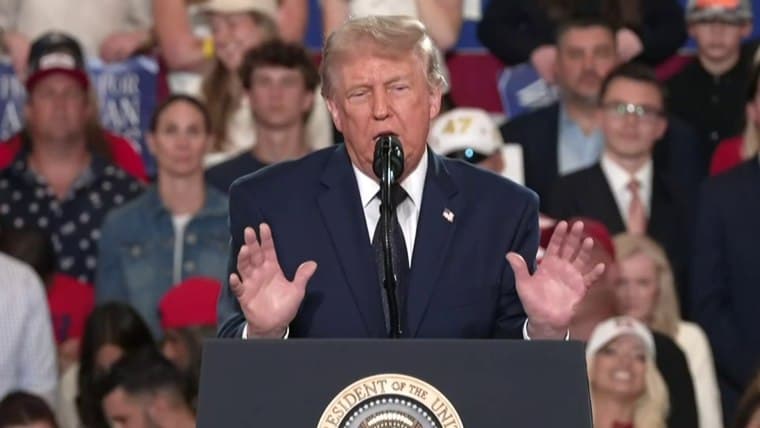
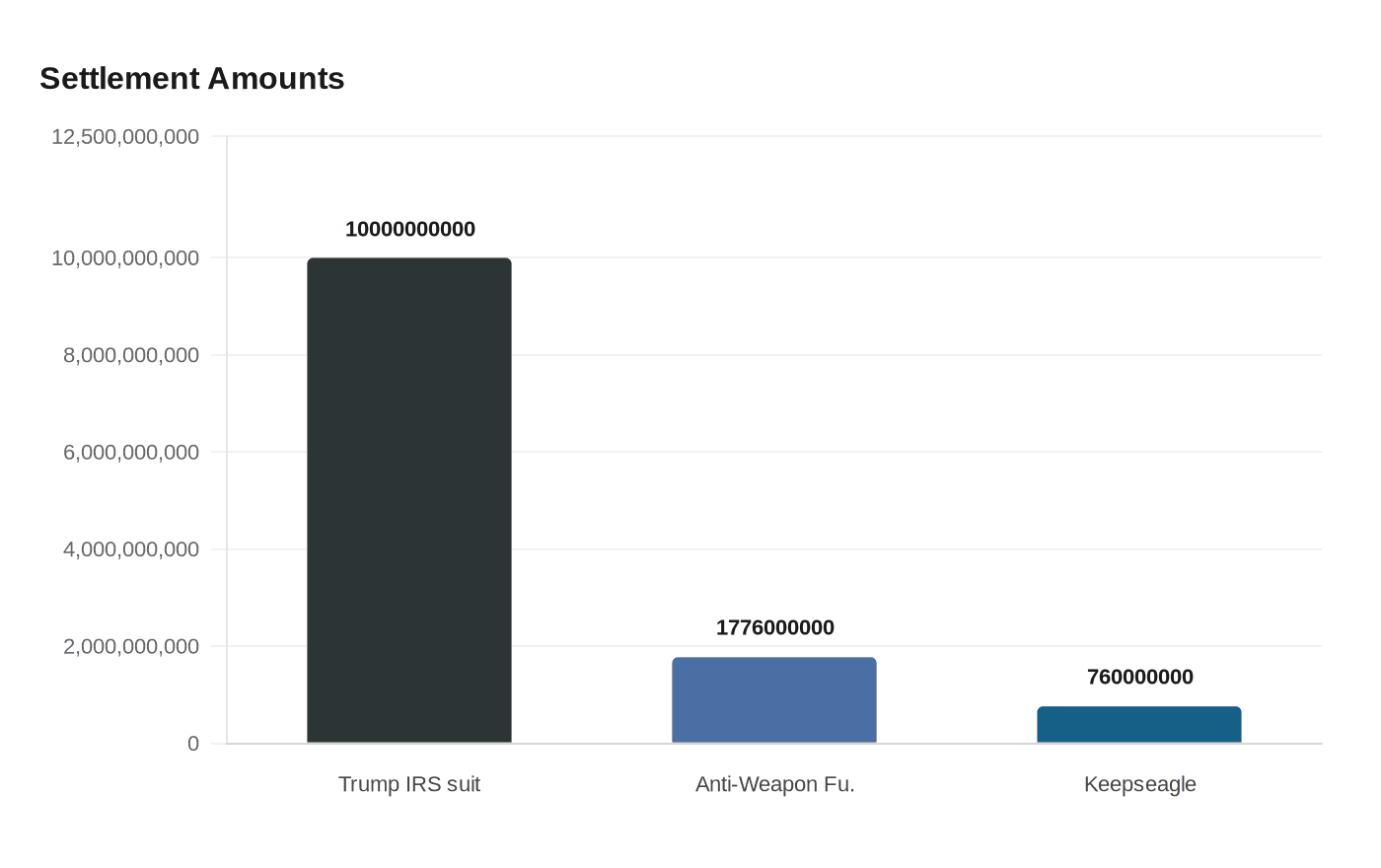
A new compensation fund created under President Donald Trump’s Justice Department is already drawing legal fire over a basic question: who gets paid, and who decided the rules. The Anti-Weaponization Fund, announced as part of a settlement over Trump’s $10 billion IRS lawsuit tied to the leak of his tax returns, is slated to receive $1.776 billion from the Treasury Department’s Judgment Fund and can provide both formal apologies and monetary relief.
The Justice Department said the fund has no partisan filing requirement, must report quarterly to the attorney general, may be audited at the attorney general’s direction, and will stop processing claims no later than December 1, 2028. Any money left at the end will return to the federal government. Trump, Donald Trump Jr., Eric Trump and the Trump Organization will receive only a formal apology, not cash, in exchange for dropping the IRS case and two related administrative claims involving the Mar-a-Lago raid and the Russia-collusion investigation.
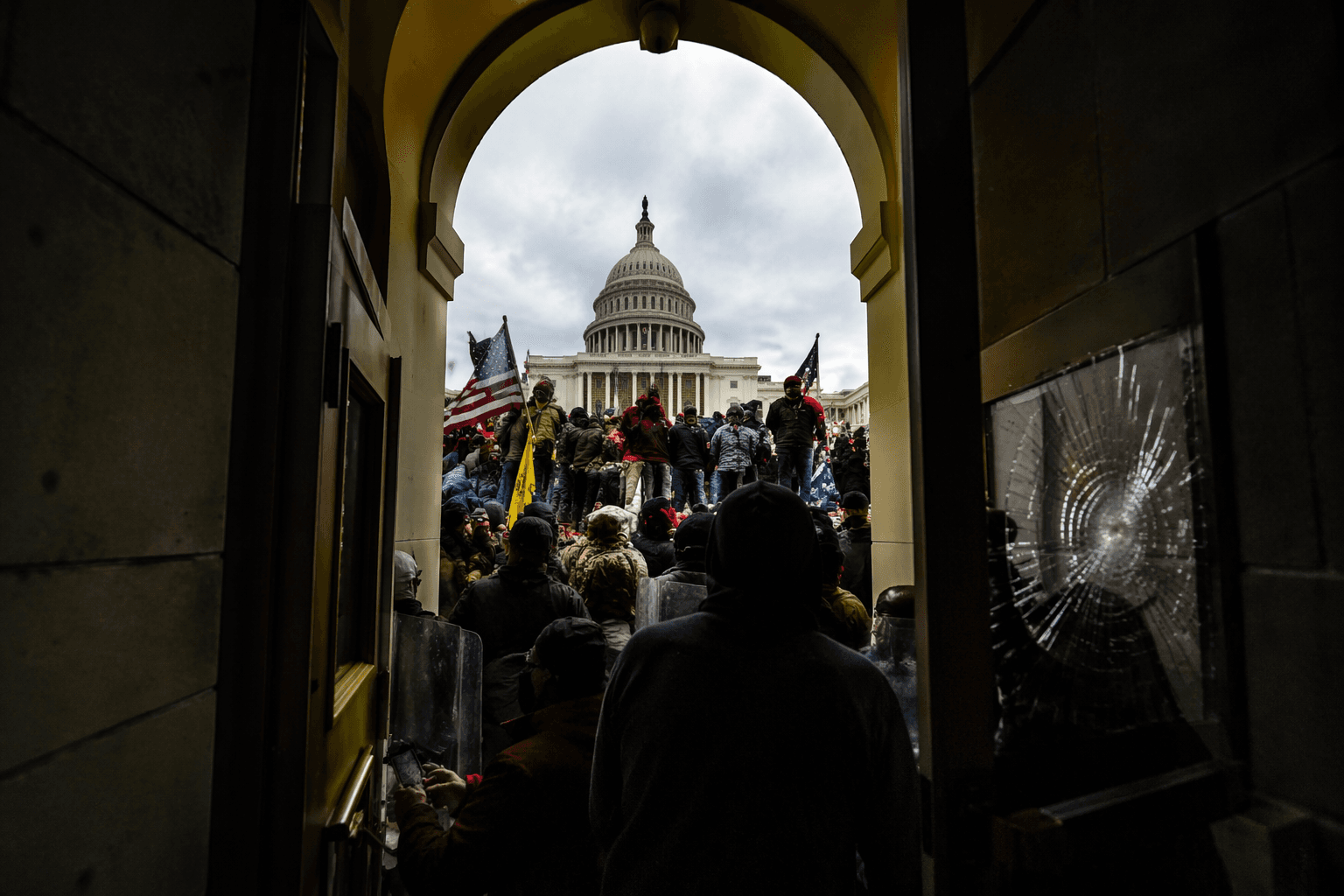
The first lawsuit came Wednesday in Washington, D.C., from former Capitol Police Officer Harry Dunn and Metropolitan Police Department Officer Daniel Hodges, both of whom defended the Capitol on January 6, 2021. They argue the fund would illegally pay people who participated in or supported the Jan. 6 attack, turning a taxpayer-financed settlement into a vehicle for rewarding political allies.
A second lawsuit filed Friday in the Eastern District of Virginia broadened the attack. The plaintiffs include former Assistant U.S. Attorney Andrew Floyd, who says he was fired by former Attorney General Pam Bondi in June 2025, Cal State Channel Islands professor Jonathan Caravello, who was acquitted in a federal case after an immigration-raid protest, Common Cause, the National Abortion Federation and the city of New Haven, Connecticut. Their complaint says the program bypasses Congress’ spending power, creates a politically discriminatory claims process for people who say they were targeted by Democratic administrations, and violates the Constitution’s 14th Amendment ban on using federal funds in aid of insurrection or rebellion against the United States.
The Justice Department has pointed to the 2011 Keepseagle settlement, a $760 million fund created under the Obama administration for Native American farmers alleging discrimination, as precedent. But critics say the analogy falls apart because the new program lacks the kind of congressional authorization and safeguards usually attached to compensation schemes of this scale.
The dispute has already sparked bipartisan backlash and accusations of collusive litigation, with opponents arguing that Trump and his administration cannot use a settlement to create a broad federal payout system that may end up benefiting Jan. 6 defendants or other political allies. Some people tied to the controversy have already begun seeking payments, and outside lawyers have said Congress may have the strongest legal route to challenge the fund, with the fight potentially heading to the Supreme Court.
Know something we missed? Have a correction or additional information?
Submit a Tip