Trump’s Beijing meeting with Xi could decide fragile U.S.-China truce
A red-carpet welcome and military honor guard in Beijing signaled more than ceremony. Trump and Xi used the meeting to test whether a tariff truce could survive.
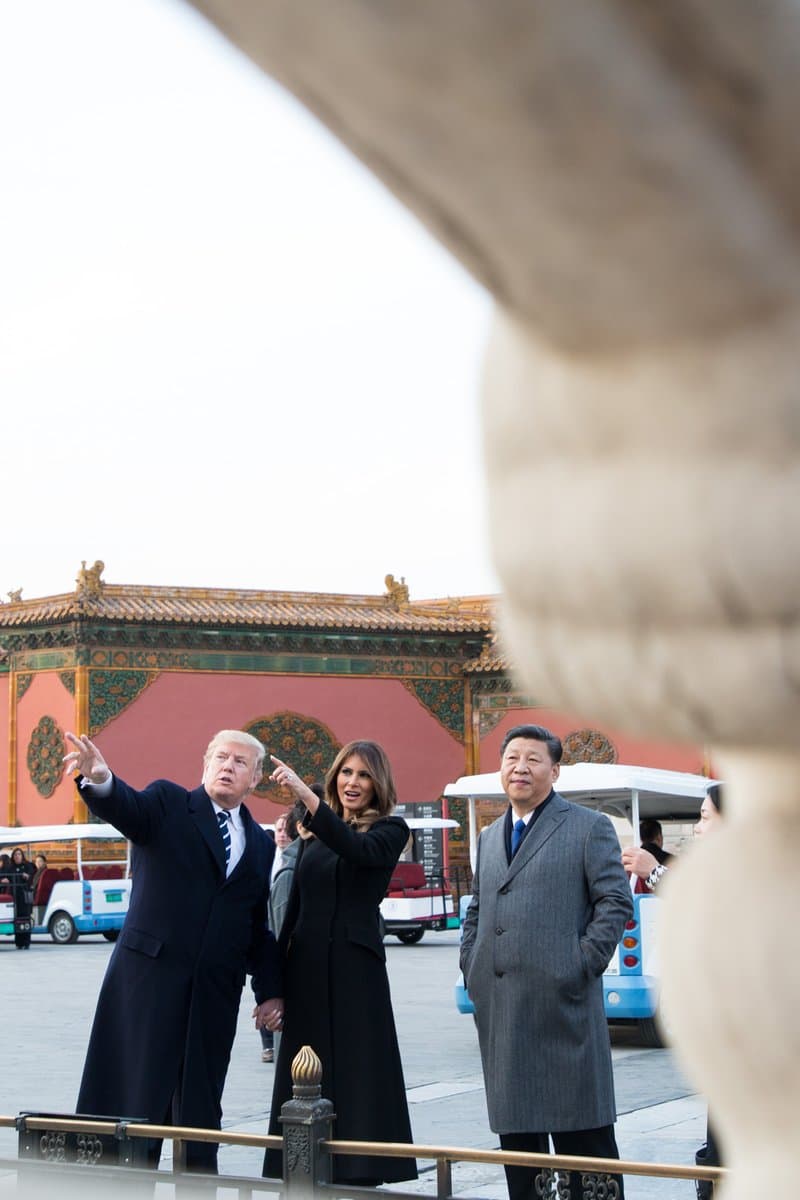
Donald Trump’s meeting with Xi Jinping in Beijing put the future of the U.S.-China trade truce on display in a setting built for hierarchy. Trump arrived on a state visit running from May 13 to 15, and Xi was scheduled to receive him with a welcome ceremony before formal talks at the Great Hall of the People on May 14, the kind of choreography Beijing uses to project control as much as hospitality.
The visuals mattered. Chinese state media described a military honor guard, a band, flag-waving children and a red-carpet welcome, all of it calibrated to show ceremony without surrender. For Washington, the symbolism is different: Trump’s trip is the first state visit to China by a U.S. president in nearly a decade, and his first since 2017, making the setting itself part of the message about whether the two sides are stabilizing ties or simply pausing a deeper confrontation.
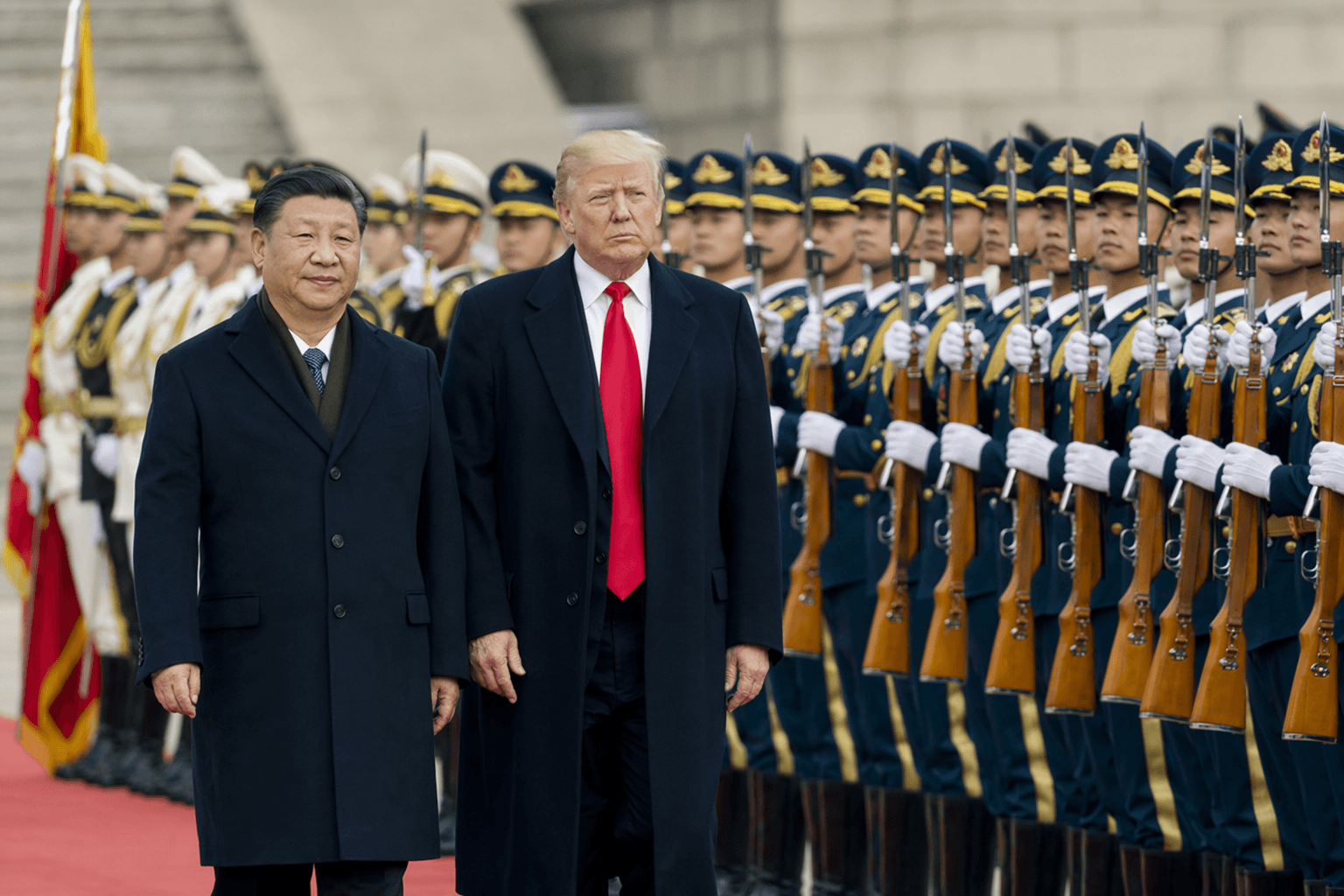
The agenda showed how narrow the room for real breakthrough remained. Trade sat at the center, but the talks were also expected to cover Taiwan, artificial intelligence, rare earths, market access for U.S. firms, soybean purchases and the Iran war, which delayed the trip from March. Xi has warned publicly that Taiwan is a critical issue and that mishandling it could lead to conflict, a reminder that Beijing views the island as a red line even as it negotiates over tariffs and exports.
The economic backdrop was a fragile bargain already under strain. In 2025, the two countries agreed to suspend 24 percentage points of additional U.S. duties on Chinese goods for an initial 90 days while the United States kept a 10 percent additional tariff in place. Later truce talks further lowered tariffs and tied relief to Chinese commitments on soybeans, market access and rare earth exports, underlining how dependent the relationship has become on transactional deals rather than durable trust.
Preparatory talks in South Korea between U.S. Treasury Secretary Scott Bessent and Chinese Vice Premier He Lifeng set the stage for the summit, while Trump traveled with prominent U.S. tech and business leaders. That detail pointed to the practical stakes: commercial access, export controls and technology policy remain bound together in a rivalry that neither side has resolved. The Beijing meeting did not promise reconciliation. It was a test of whether the two powers can preserve a tense, useful truce long enough to avoid the next escalation.
This article was produced by Prism’s automated news system from verified source data, official records, and press releases, then run through automated quality and moderation checks before publishing. The system is built and supervised by the people who set the standards it runs under. Read our full AI policy.
Did this article answer your question?