Trump’s Germany troop drawdown deepens rupture with allies, NATO worries grow
Trump’s Germany troop cut and missile cancellation have revived fears that U.S. guarantees in Europe are weakening. Allies now see the Iran fallout as a lasting test of NATO unity.
The rupture over Iran is now spilling into Europe, where Donald Trump’s plan to pull 5,000 U.S. troops from Germany and cancel a planned Tomahawk missile deployment has raised new doubts about how far Washington will go to back allies. The move comes after Trump joined Israel’s strikes on Iran on February 28, 2026, a step that worsened tensions with partners just as Iran’s retaliation, including closing the Strait of Hormuz, sent shock waves through global energy markets.
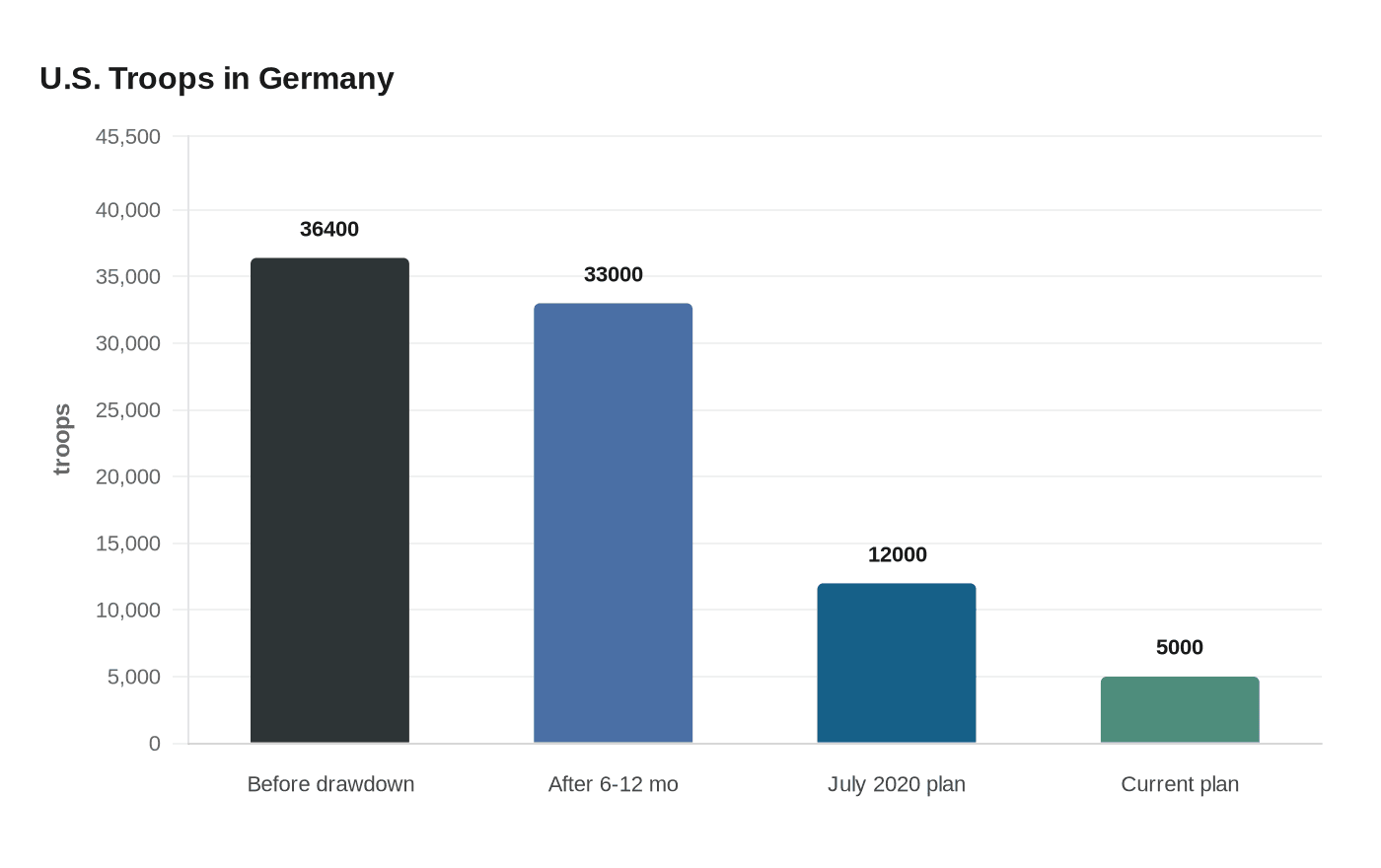
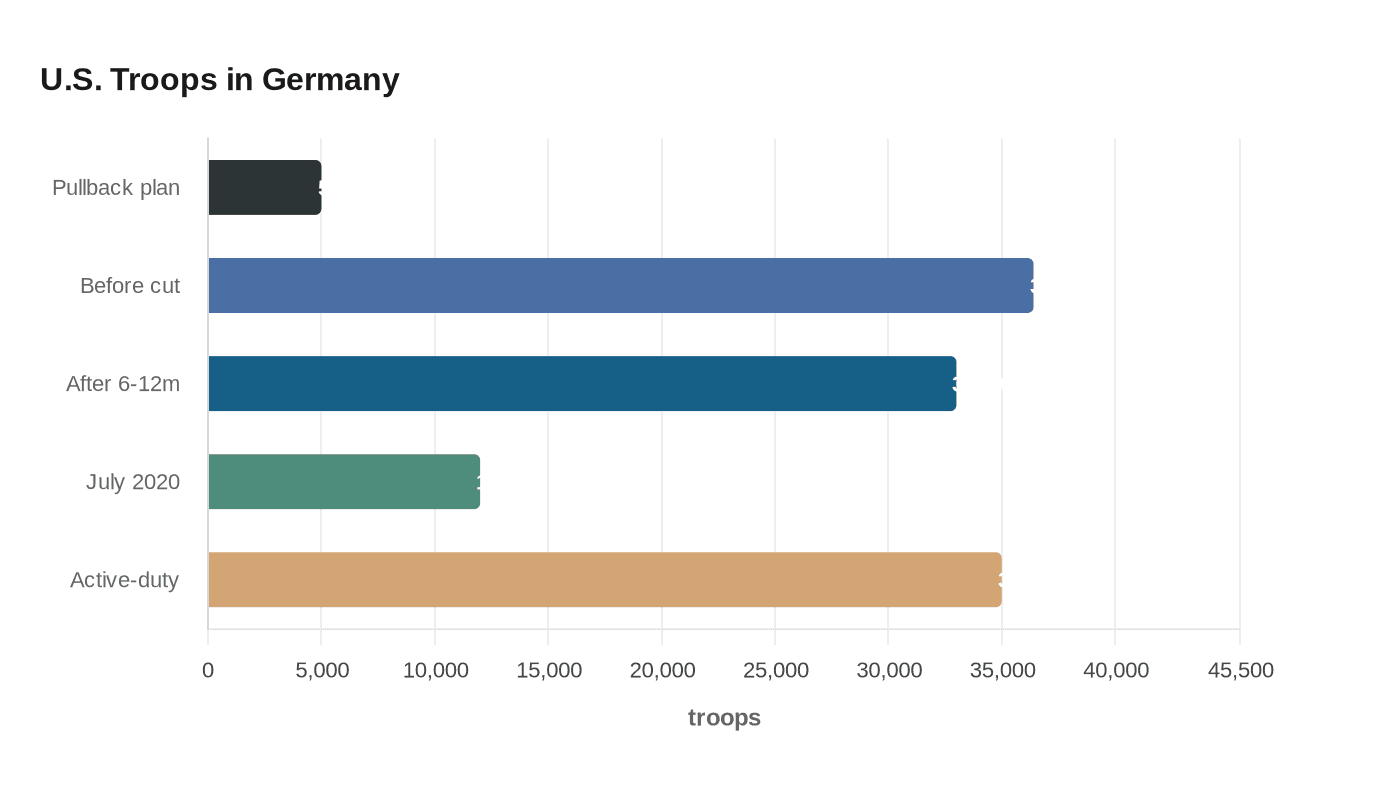
Germany will remain the largest U.S. military hub in Europe, but the cut still marks a sharp turn. About 36,400 U.S. troops were stationed in Germany before the drawdown announcement, and the Pentagon’s plan would leave roughly 33,000 there over the next six to 12 months. Trump had floated a similar pullback in July 2020, ordering 12,000 troops out of Germany in a move that was never carried out. Reuters also reported that he was considering further reductions in Italy and Spain, deepening alarm that the American footprint across Europe could shrink further.
The dispute has been sharpened by public friction between Trump and German Chancellor Friedrich Merz. Merz said Iran was humiliating the United States and later said he did not see what exit strategy Washington was pursuing. A senior Pentagon official called the German rhetoric “inappropriate and unhelpful,” underscoring how quickly alliance politics have turned combative. Boris Pistorius, Germany’s defense minister, said Berlin had anticipated that the U.S. might withdraw troops from Europe, including Germany, but he also warned of a long-range strike gap created by the missile decision.
That gap is the strategic heart of the dispute. The cancelled Tomahawk deployment had been part of a broader effort to bolster NATO deterrence, and defense officials in Berlin fear the loss of that capability will leave Germany and the alliance with fewer options against Russian pressure. Germany hosts around 35,000 active-duty U.S. military personnel, more than anywhere else in Europe, and the drawdown would bring U.S. troop levels on the continent back toward pre-2022 levels.
European leaders are reading the move as another warning that they must carry more of the burden themselves. NATO said it was working with the U.S. to understand the details, while Polish Prime Minister Donald Tusk called the U.S.-Europe relationship a “disastrous trend” and warned of the “ongoing disintegration” of the alliance. For Washington, the risk is not just a smaller troop count in Germany; it is the erosion of trust that has long underpinned NATO’s deterrence against Russia and shaped U.S. leverage across Europe.
This article was produced by Prism’s automated news system from verified source data, official records, and press releases, then run through automated quality and moderation checks before publishing. The system is built and supervised by the people who set the standards it runs under. Read our full AI policy.
Did this article answer your question?