Ukraine's drone chief forces Russia's Victory Day parade into retreat
Ukraine’s drone commander Madyar helped turn Putin’s Victory Day display into a security problem, stripping Moscow’s parade of much of its heavy armor.
Robert Brovdi, the Ukrainian commander known by the call sign Madyar, has come to embody a new kind of pressure on Moscow: cheap, adaptive drone warfare that can reach far beyond the front line and force the Kremlin to spend more to protect its prestige.
Brovdi took command of Ukraine’s Unmanned Systems Forces in June 2025. Ukraine’s Defence Ministry describes him as a Hero of Ukraine and says he heads the country’s dedicated drone forces, a post that reflects how central unmanned systems have become to Kyiv’s military strategy. Before the war, Brovdi was a grain trader and businessman. By the time Russia launched its full-scale invasion in 2022, he was among the first Ukrainian military figures to use drones for reconnaissance and strike missions.
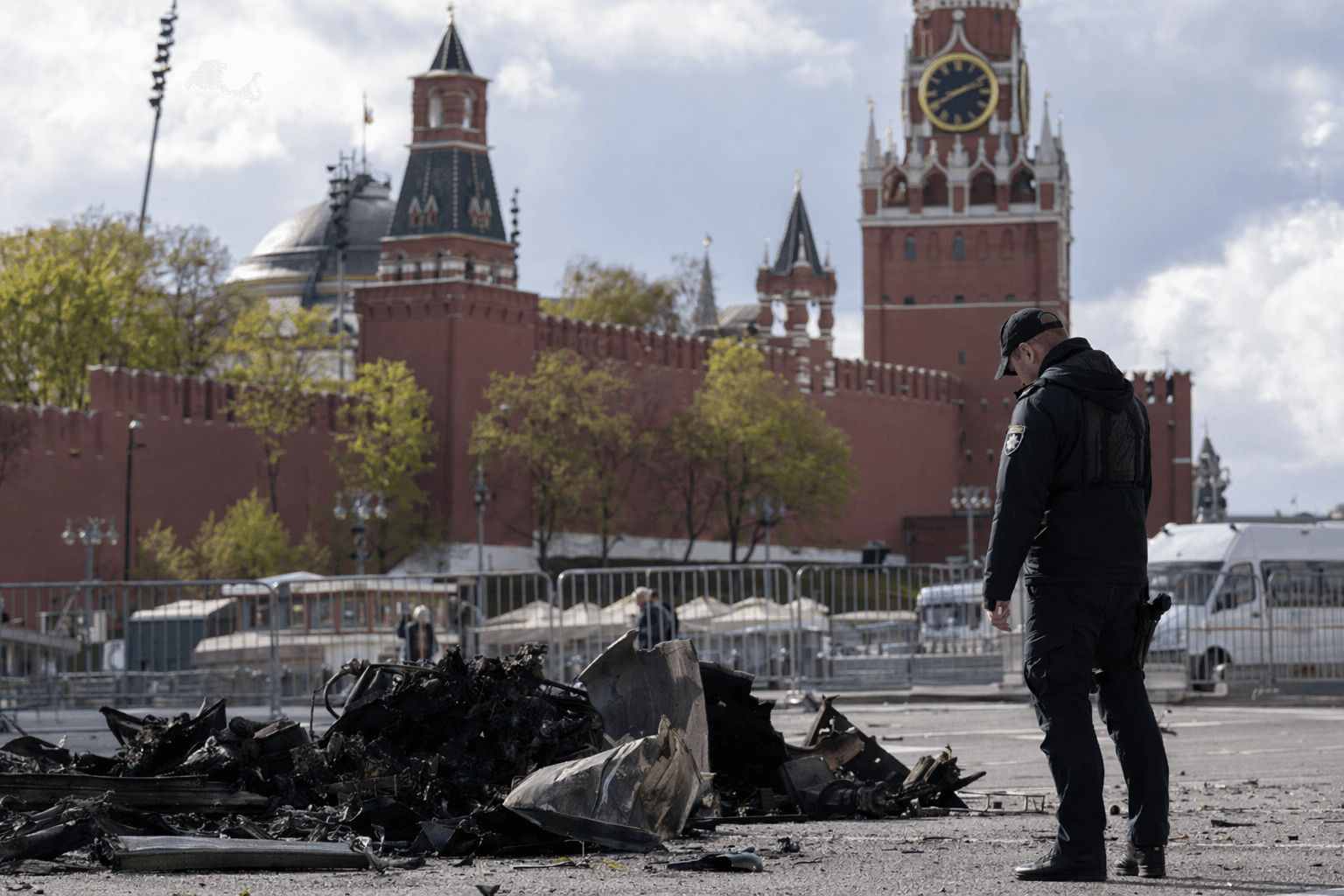
That shift in warfare was visible in Moscow on May 9, when Russia held its most scaled-back Victory Day parade in years. Reports said the usual heavy hardware column was absent or nearly absent from Red Square, and the Kremlin imposed tightened security because of the threat of Ukrainian drone attacks. The ceremony went ahead after a three-day ceasefire announcement by Donald Trump, but the mood around the event was one of caution rather than triumph. Victory Day is one of Vladimir Putin’s most important annual spectacles, and its reduced scale cut against the Kremlin’s message of military strength and inevitability.
The symbolism mattered even more because Victory Day marks the Soviet defeat of Nazi Germany and carries enormous emotional weight in Russia. The Soviet Union lost 27 million people in 1941-45, which helps explain why the parade has long been used as a political display of national endurance. This year, however, the display was smaller, the defenses were thicker, and the state had to account for the possibility that Ukrainian drones could disrupt not only military infrastructure but also the choreography of power in Moscow.
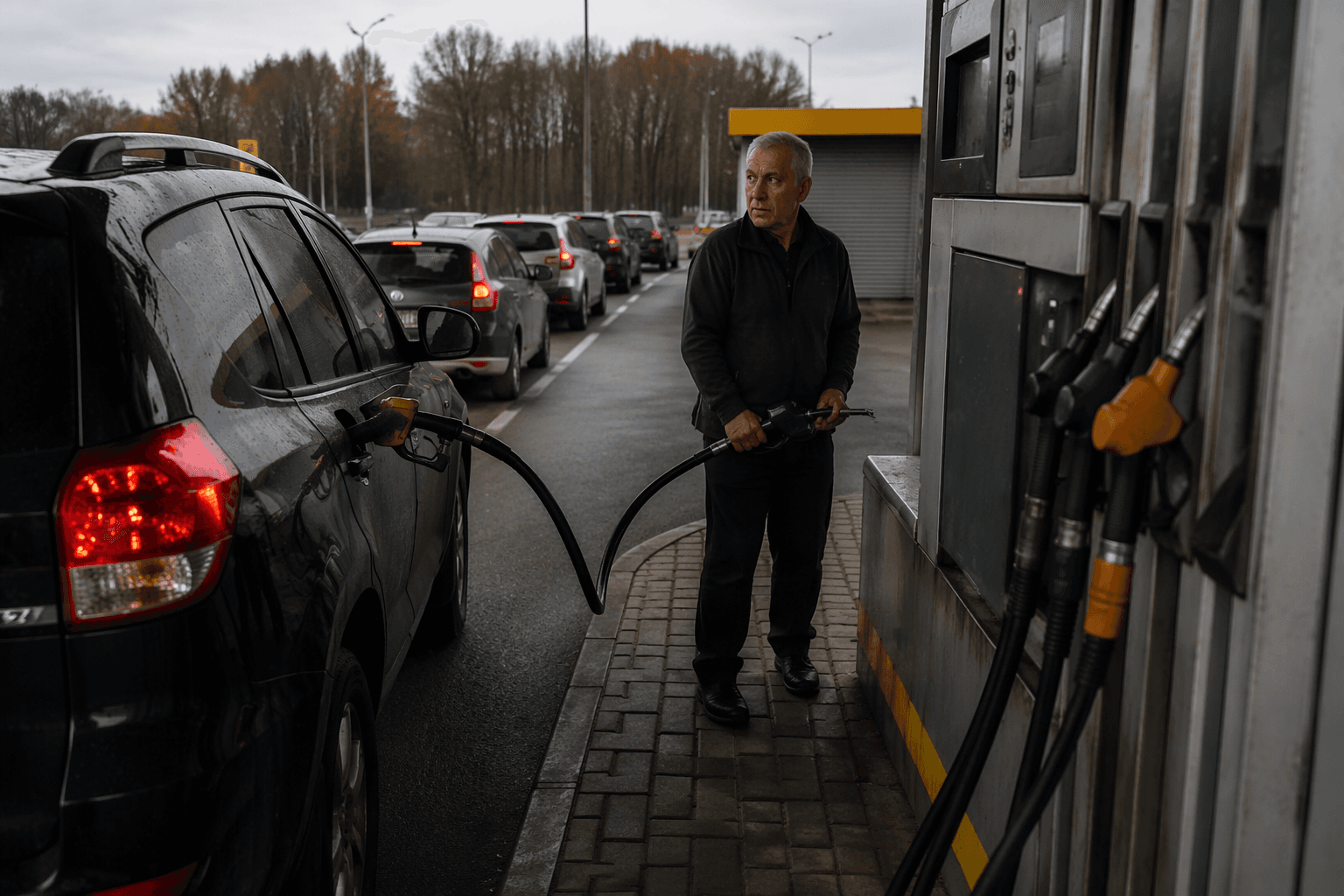
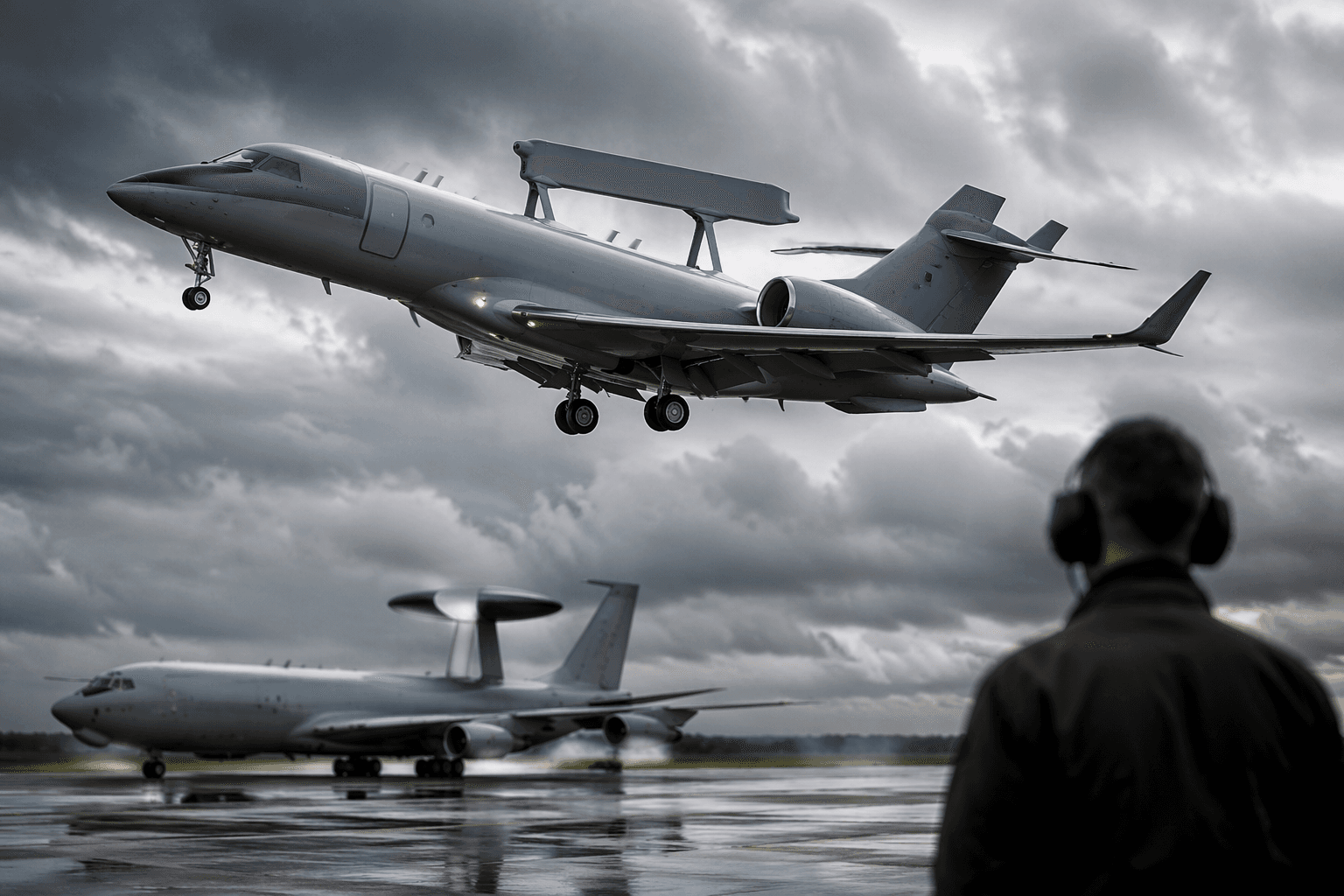
Volodymyr Zelenskyy sharpened that pressure by warning that Ukraine could not guarantee the safety of foreign leaders flying to Moscow for the parade. Kyiv later rejected Russia’s proposed Victory Day truce, saying Moscow had repeatedly violated earlier ceasefire arrangements. At the same time, reports linked Brovdi’s units to deep-strike attacks on Russian oil infrastructure and military targets, including repeated strikes on the Black Sea oil terminal at Tuapse. One report said Ukrainian drones hit Tuapse four times in two weeks.
The pattern is clear: Brovdi’s drone force is not only hitting targets in Russia, but also forcing Moscow to harden its public rituals. For Putin, that is a strategic and political cost measured not just in air defenses, but in the shrinking scale of the spectacle itself.
This article was produced by Prism’s automated news system from verified source data, official records, and press releases, then run through automated quality and moderation checks before publishing. The system is built and supervised by the people who set the standards it runs under. Read our full AI policy.
Did this article answer your question?