Trump’s Hormuz blockade targets Iranian shipping, not all traffic
The U.S. is targeting Iranian-linked ships, not every tanker in Hormuz. That keeps oil flowing, but raises insurance costs and escalation risk.
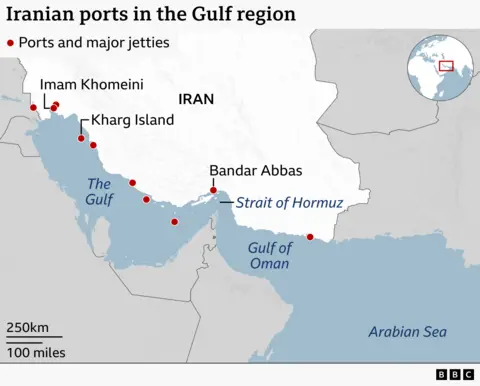
Trump’s “blockade” of the Strait of Hormuz was not a full seal-off of the waterway. In practice, U.S. officials said the effort was aimed at Iranian ports and coastline, with naval forces set to intercept vessels that had paid tolls to Tehran while allowing non-Iran-linked commercial traffic to keep moving through the strait itself.
That distinction matters because Hormuz is not just another shipping lane. Roughly one-fifth of global oil supplies, about 20 million barrels a day, move through the chokepoint, and its narrowest shipping lanes are only about two miles wide. Any restriction there can ripple through crude prices, tanker insurance and freight costs long before a single shell is fired.
The administration said the objective was to choke off Iranian revenue from oil exports and force Tehran back toward negotiations after talks in Pakistan collapsed in mid-April 2026. Trump said the blockade would begin “immediately” and “effective immediately.” The State Department said on April 15 that Washington was acting to decisively limit Iran’s ability to generate revenue as Tehran attempted to “hold the Strait of Hormuz hostage.”
Washington also tied the move to sanctions on elements of Mohammad Hossein Shamkhani’s oil-smuggling empire, part of a broader campaign to disrupt the financing network behind Iran’s energy trade. Marco Rubio said countries in Europe and Asia had a far larger stake in keeping Hormuz open than the United States did, and he called for a plan to confront any Iranian tolling system in the strait.
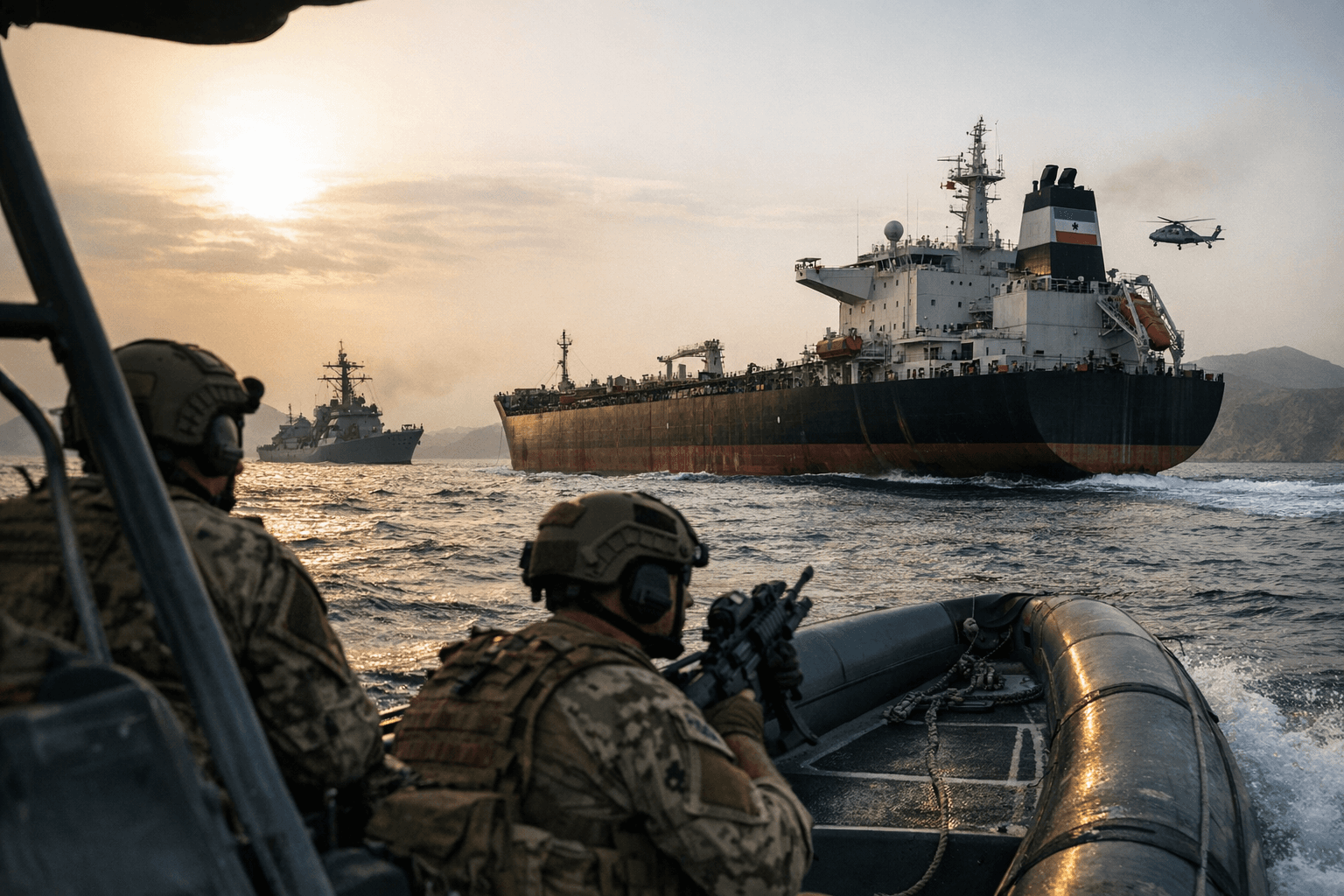
The line between interdiction and war is the heart of the dispute. A true blockade would usually imply shutting down access to the waterway; the U.S. description instead points to selective enforcement against Iranian-linked traffic. That leaves the legal and military balance in a gray zone. Maritime-intelligence firms reported that some ships, including sanctioned or high-risk vessels, still transited in the first days, though traffic was more limited and concentrated.
China condemned the move as dangerous and irresponsible, underscoring the escalation risk in a corridor that feeds markets across Asia and Europe. The United States has close security ties with Oman, including access arrangements at Salalah and Duqm under a 2019 framework agreement, a relationship that supports freedom-of-navigation operations in the Gulf of Oman and near the strait. For now, the message from Washington is clear: the target is Iranian shipping, not all traffic.
This article was produced by Prism’s automated news system from verified source data, official records, and press releases, then run through automated quality and moderation checks before publishing. The system is built and supervised by the people who set the standards it runs under. Read our full AI policy.
Did this article answer your question?