Trump’s interim attorney general choice fuels pressure to prosecute enemies
Trump’s acting attorney general pick deepened pressure inside DOJ, and the Comey indictments show how personnel changes can shape prosecutorial decisions.
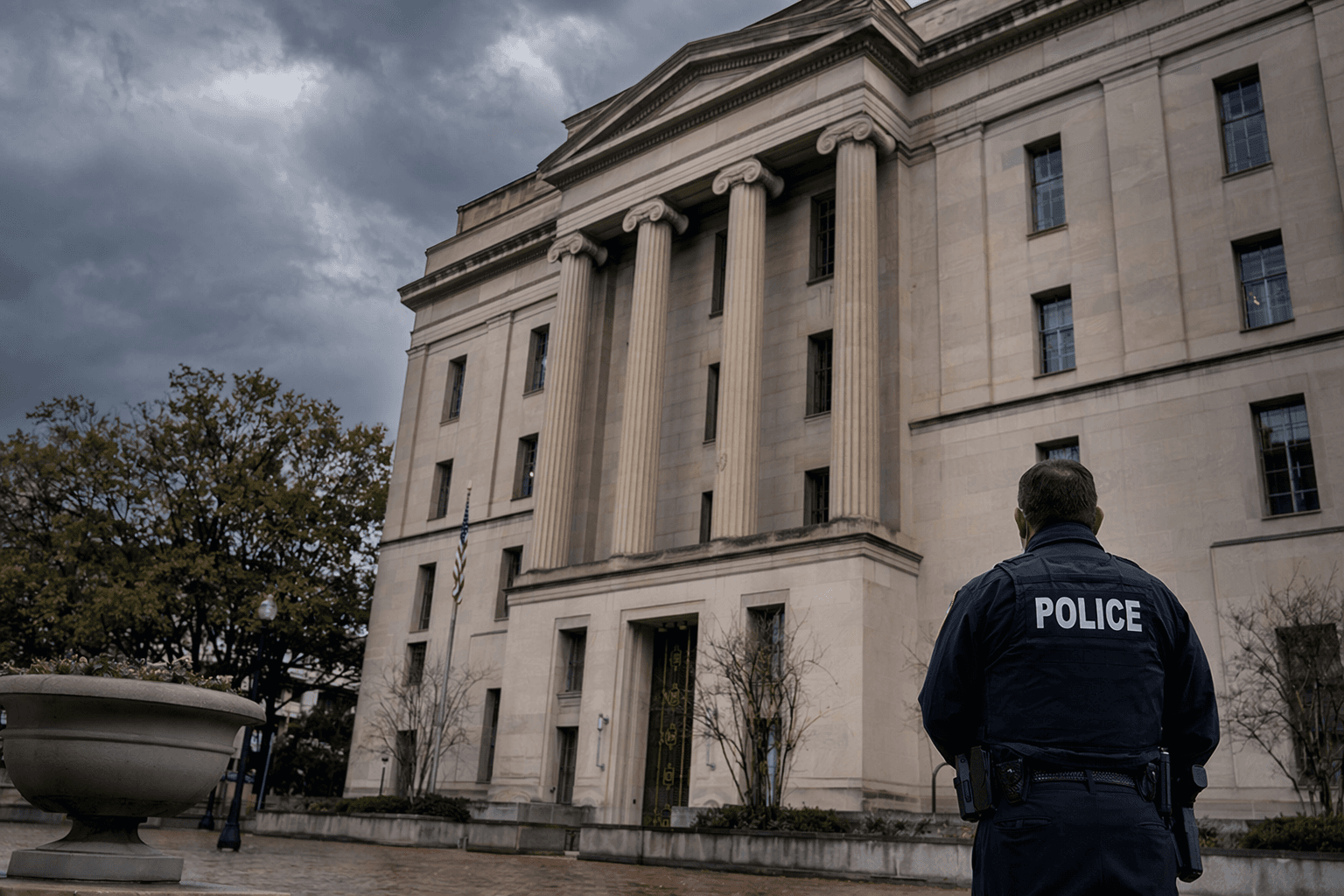
Trump’s decision to rely on an interim attorney general sharpened the incentives inside the Justice Department, and James Comey became the clearest test case. After Trump publicly urged Pam Bondi on Sept. 20, 2025, to move faster against Comey, Adam Schiff and Letitia James, a federal grand jury indicted Comey five days later on charges of making a false statement and obstructing a congressional proceeding tied to his Sept. 30, 2020, Senate Judiciary Committee testimony.
The first case landed just as the statute of limitations was about to expire, and prosecutors said Comey faced up to five years in prison if convicted. Trump celebrated the indictment as “justice,” while Comey denied wrongdoing and said he was innocent, adding that his family had long understood the costs of standing up to Trump. Inside the department, some staffers viewed the case as one of the worst abuses in Justice Department history.
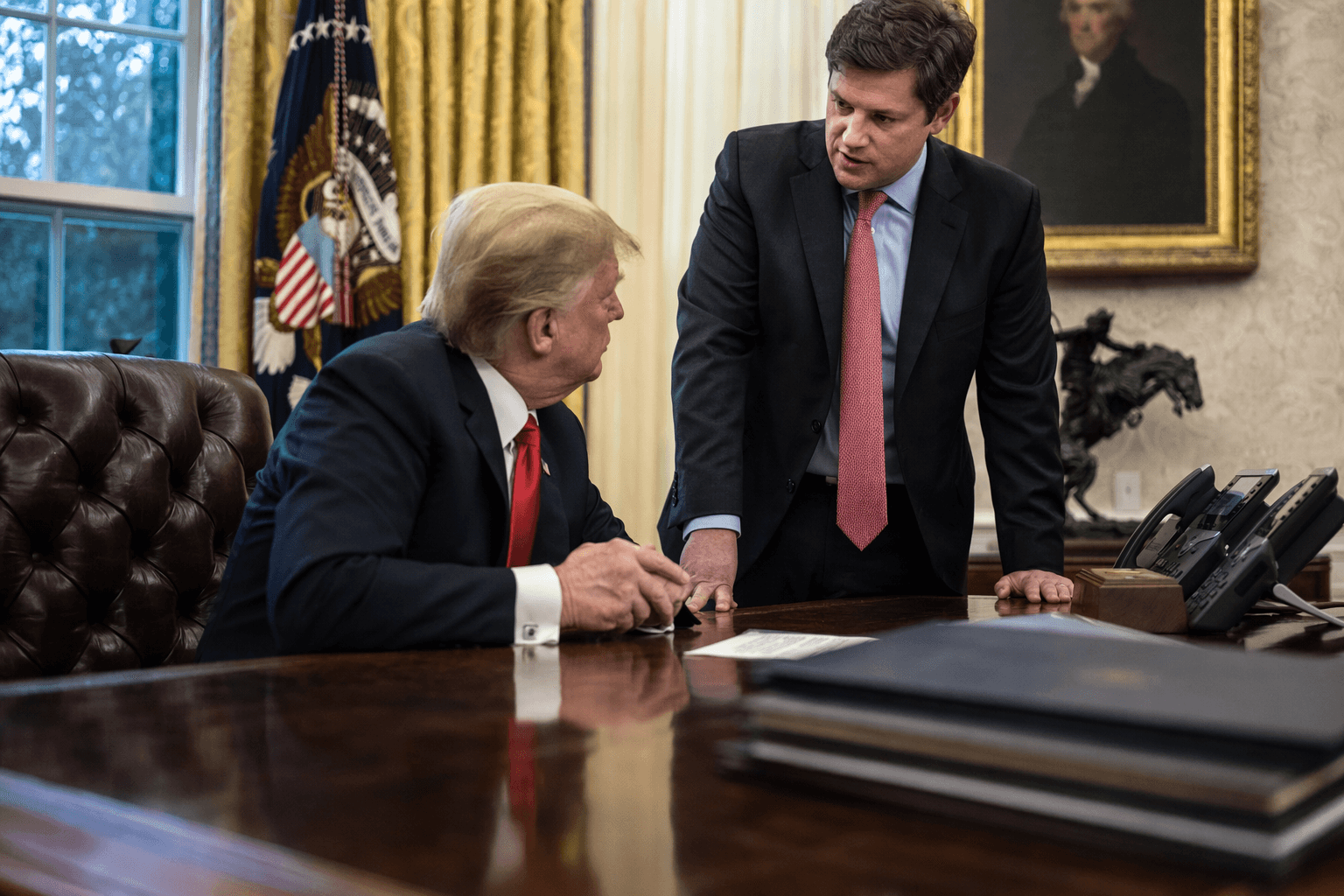
The personnel chain behind the indictment was just as revealing as the charges themselves. Erik Siebert resigned as U.S. attorney for the Eastern District of Virginia after pressure to bring charges against Letitia James. Trump then installed Lindsey Halligan, a former White House aide and insurance lawyer with no prior prosecutorial experience, to run the office. Halligan signed the first Comey indictment, turning a politically charged push from the White House into a formal federal case.
Trump’s latest move to replace Bondi with Todd Blanche on April 2, 2026, extended that pressure point. Blanche, Trump’s former personal lawyer and the former deputy attorney general, became acting attorney general after Trump said he was frustrated that the department was not doing enough to target his political opponents. NBC News later reported that Trump was pleased with Blanche’s performance, a sign that loyalty, not independence, was becoming the measure that mattered most.
The pattern sharpened again on April 29, 2026, when Blanche oversaw a second Comey indictment accusing the former FBI director of making a threat against Trump over an Instagram image of seashells arranged to read “8647.” It came after the first case had been dismissed, and it made Blanche the second Justice Department leader in seven months to secure an indictment against Comey.
The documented facts show a department being reordered through personnel pressure, deadline pressure and public demands from the president. The broader inference is harder to prove in a courtroom, but impossible to ignore: when top prosecutors know their jobs depend on satisfying Trump, the line between legal judgment and political obedience starts to blur.
This article was produced by Prism’s automated news system from verified source data, official records, and press releases, then run through automated quality and moderation checks before publishing. The system is built and supervised by the people who set the standards it runs under. Read our full AI policy.
Did this article answer your question?

