Trump’s Iran war gambit deepens doubts among U.S. allies worldwide
Trump’s Iran war posture is rattling allies from Germany to the Gulf, as partners weigh whether Washington still backs its security promises.
President Donald Trump’s Iran war strategy is testing something broader than battlefield resolve: whether allies can still rely on Washington when the crisis stretches beyond the fighting. Even if the 10-week war eases toward an off-ramp, Trump’s handling has deepened doubts in Europe, the Middle East and the Indo-Pacific about the durability of American security guarantees.
The strain is already visible in Germany, where Trump has moved to pull 5,000 U.S. troops and threatened further reductions elsewhere in Europe. That pressure lands alongside his repeated criticism of partners he says have not done enough to support the United States in the conflict. For governments that build defense planning around American logistics, intelligence sharing and rapid military coordination, the message is blunt: U.S. commitments can be reshaped quickly, and sometimes publicly.
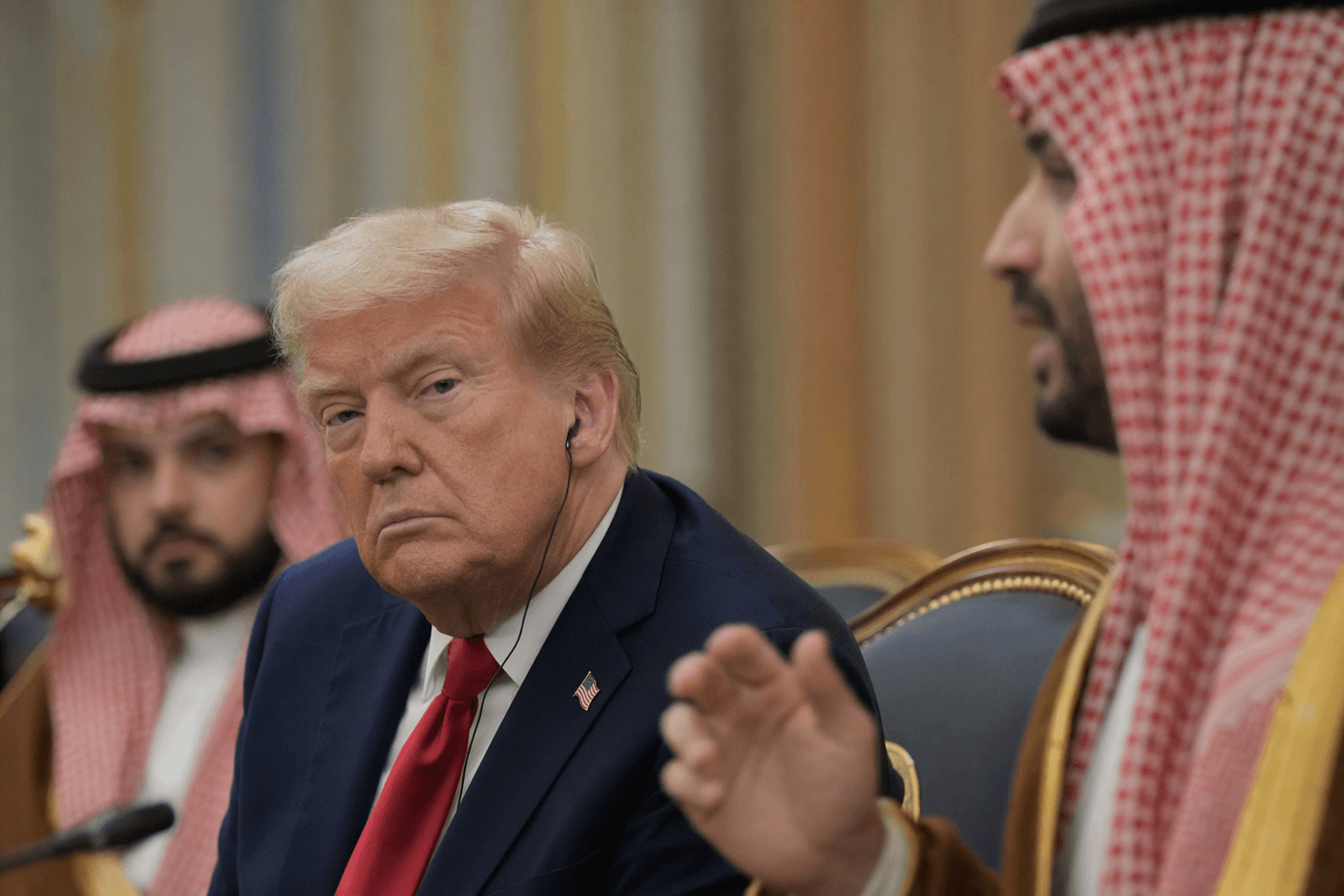
Trump’s rhetoric on NATO has widened that anxiety. His questioning of whether the United States should continue to rely on Article 5, the alliance’s mutual-defense pledge, has raised fresh concerns in capitals that depend on it as the foundation of deterrence. The issue is not only whether Washington will fight alongside allies in a future crisis, but whether allies can trust Washington’s word long enough to plan for one.
The fallout reaches beyond Europe. In the Gulf and across parts of Asia, allies are beginning to hedge, looking for ways to reduce heavier reliance on the United States if the political cost of depending on Trump’s White House keeps rising. Rivals are watching the same fracture lines. China and Russia, according to the analysis, are looking for openings that could emerge if partners start treating American guarantees as conditional rather than constant.
Trump’s Iran policy also fits a wider pattern that has unsettled allies. Tariffs, pressure on Denmark over Greenland and reduced military aid to Ukraine have all fed a sense that the United States is willing to make friends absorb shocks to serve domestic political goals. That broader record matters because trust is cumulative; once shaken in one theater, it is harder to restore in the next.
Brett Bruen, a former Obama administration adviser, said, “U.S. credibility is at stake,” adding that Trump’s Iran policy is producing “dramatic shifts.” Those shifts may outlast the war itself. The deepest cost of the conflict may not be bombs or troop movements, but the slow erosion of confidence in American reliability, with consequences for alliance politics that could shape diplomacy long after the shooting stops.
This article was produced by Prism’s automated news system from verified source data, official records, and press releases, then run through automated quality and moderation checks before publishing. The system is built and supervised by the people who set the standards it runs under. Read our full AI policy.
Did this article answer your question?


