Trump’s rural support slips as inflation and war worries grow
Rural approval of Trump fell to 50% as higher gas and food costs and Iran-war fears squeezed households with few alternatives.

Trump’s hold on rural America has started to fray as fuel and grocery inflation bite into daily life in places where long drives and thin margins leave little room to absorb higher prices. A new Reuters/Ipsos survey found rural approval of Donald Trump slipping to 50% in June, down from 60% in February 2025, while rural disapproval climbed to 48%, a sharp turn in a constituency that has long anchored his coalition.
The online poll, conducted June 3-8 with 4,531 U.S. adults using Ipsos’ probability-based KnowledgePanel, measured views on Trump’s handling of the presidency, cost of living and the war in Iran. Reuters/Ipsos said the margin of error was 3 percentage points for rural respondents and 2 points for the full sample, wide enough to show that the shift was more than statistical noise. Trump’s overall approval in Reuters/Ipsos tracking around the same period was 35%, with 63% disapproval.
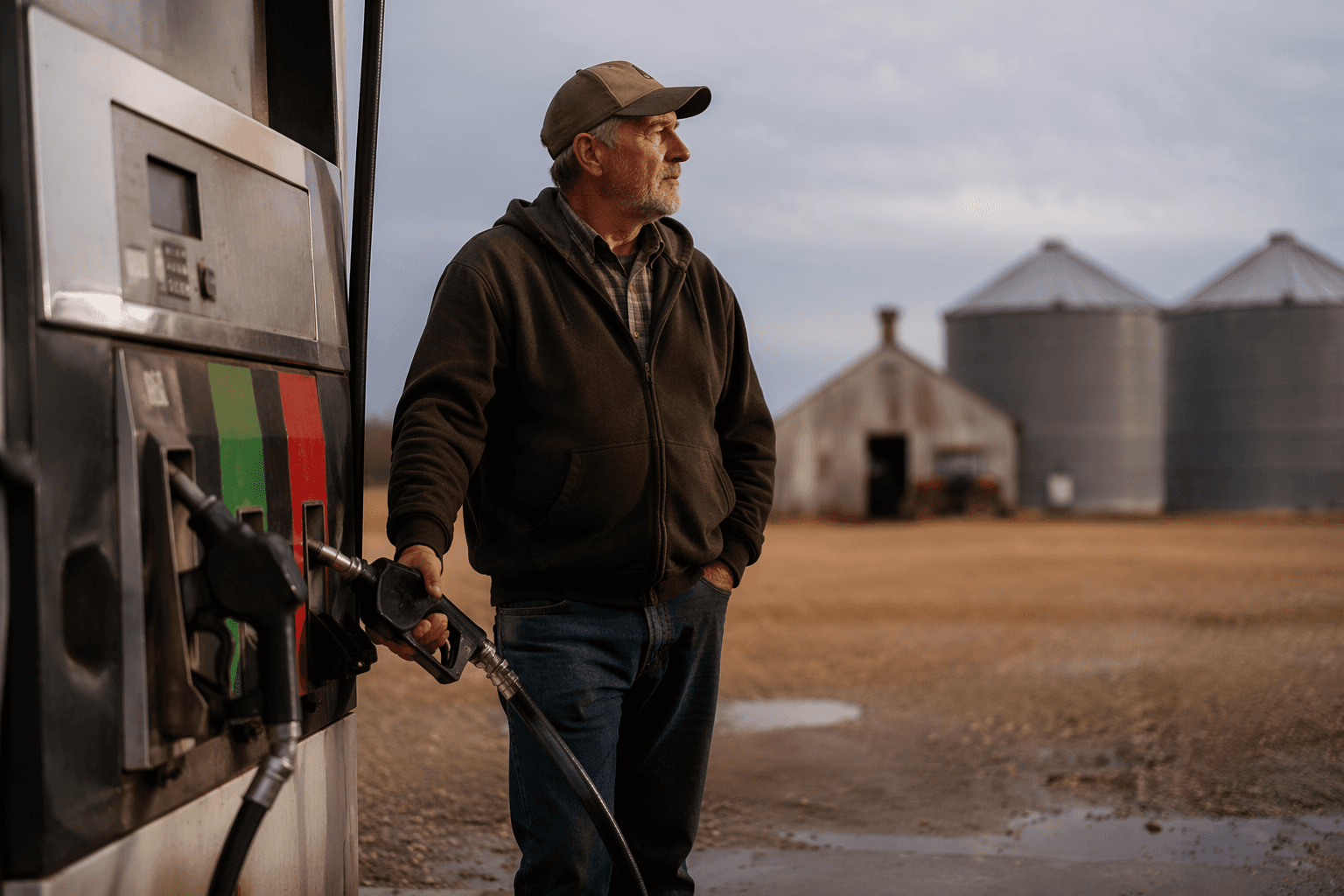
The pressure is showing up in rural households and on the farm economy at the same time. A Reuters report on June 9 said the war in Iran was choking fuel supplies through the Strait of Hormuz and pushing diesel prices to record highs in key agricultural states, adding to the squeeze on grain and soybean growers across the U.S. farm belt. For families already paying more for gasoline and groceries, the effect is immediate: higher costs arrive not as an abstraction but as another bill to be stretched or skipped.
That frustration has political consequences. Brookings, citing Fox News analysis, said Trump’s rural net approval fell from +20 in early 2025 to -14 in May 2026. Among white rural voters, net approval slid from +27 to -6. Brookings also found that 64% of white rural voters named cost of living as their top economic problem, while only 30% approved of Trump’s handling of it. In key swing states Trump carried in 2024, his rural vote share ranged from 58% in Michigan to 67% in Pennsylvania, underscoring why even modest erosion matters heading into the 2026 midterms.
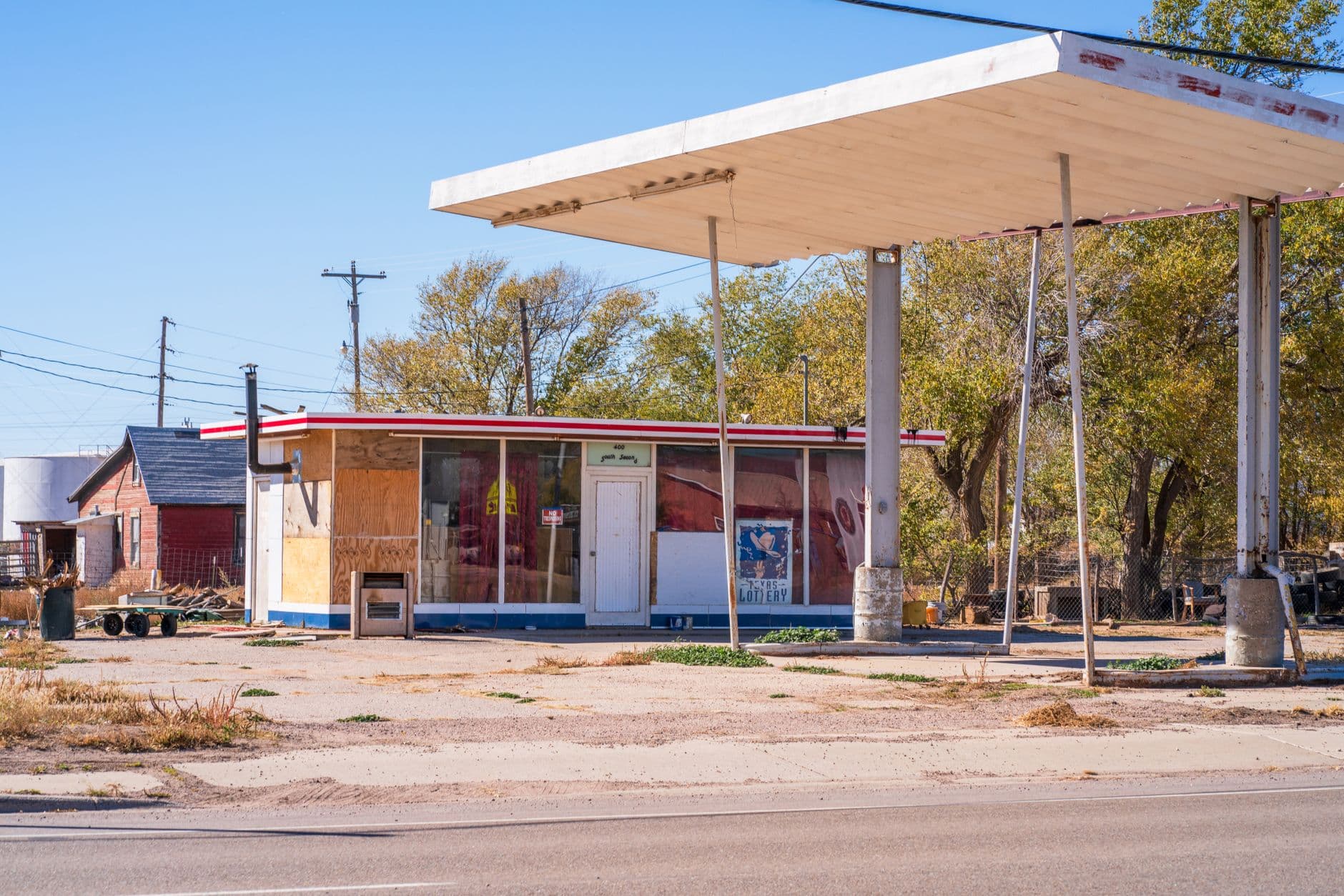
The lived experience behind those numbers came through in Stevensville, Montana, where Brian Rauch, a 42-year-old Air Force veteran, said higher gas prices made 30-mile drives to the doctor harder to absorb. Rauch, who voted for Trump in the last three presidential elections, said fuel and food prices, along with unease over the U.S.-Israeli war on Iran, had made daily life harder to justify in political terms.
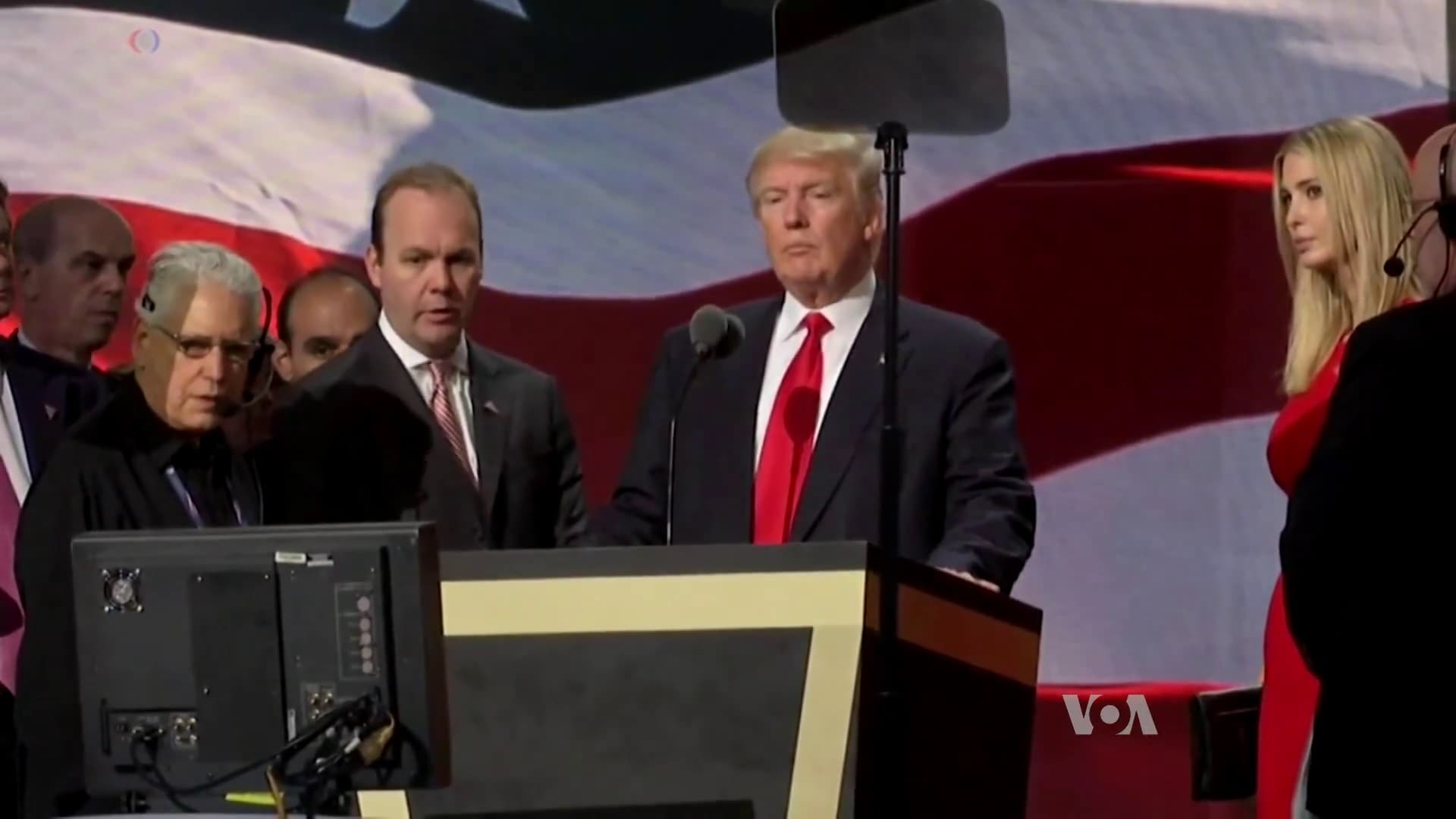
Trump once held a 40-point margin among rural voters in his last election. That cushion is gone, and the risk for the White House is that inflation, energy costs and war worries are now testing the transactional bond that helped carry him through rural America.
This article was produced by Prism’s automated news system from verified source data, official records, and press releases, then run through automated quality and moderation checks before publishing. The system is built and supervised by the people who set the standards it runs under. Read our full AI policy.
Know something we missed? Have a correction or additional information?
Submit a Tip