Trump’s shifting Europe troop orders leave military, NATO allies in limbo
The Pentagon’s Europe troop reversals sent equipment rolling, cost about $32 million, and left soldiers unsure whether deployments would stand. NATO allies saw a warning sign at the worst possible time.

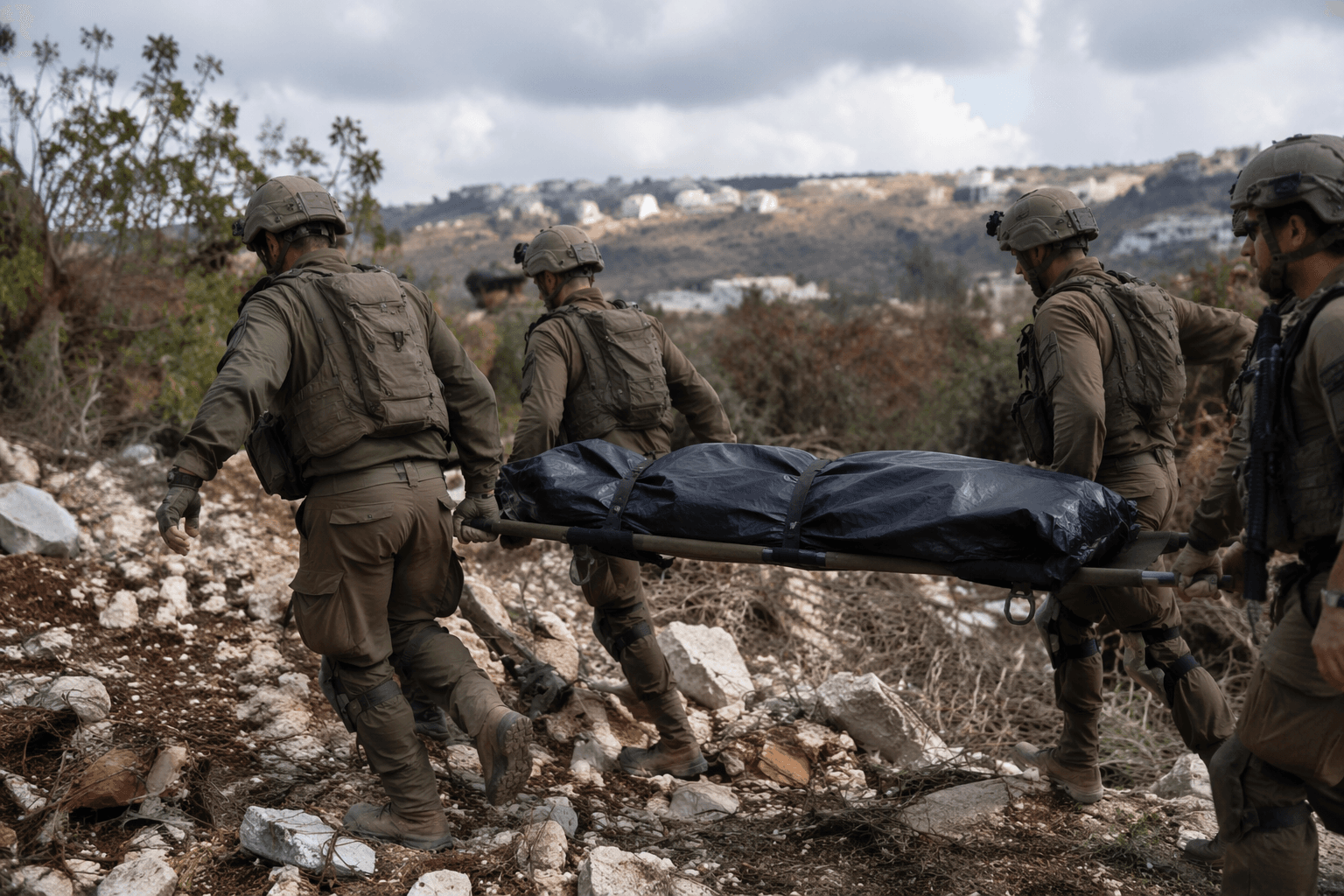
The cost of Donald Trump’s shifting Europe troop orders was measured not just in policy confusion, but in moving trucks, flight manifests and family plans that could be upended twice. U.S. Transportation Command estimated that shifting equipment tied to the reversals cost about $32 million, while troops waited for word on whether to board flights, whether rotations would be canceled and when an advance party already in theater would come home.
The upheaval came after Trump told allies in May that he would send 5,000 troops to Poland, only weeks after ordering the same number withdrawn from Europe. Defense officials said the military was left to “retroactively engineer” policy after the fact, a scramble that turned force-posture decisions into a moving target for commanders, service members and their families.
The strategic damage reached far beyond the Pentagon’s balance sheets. European allies, long told that U.S. troop decisions would be coordinated and predictable, were bewildered by the mixed signals. The uncertainty landed at a sensitive moment, with Eastern Europe still looking to Washington for reassurance and Russia’s war footing keeping pressure on NATO’s eastern flank.
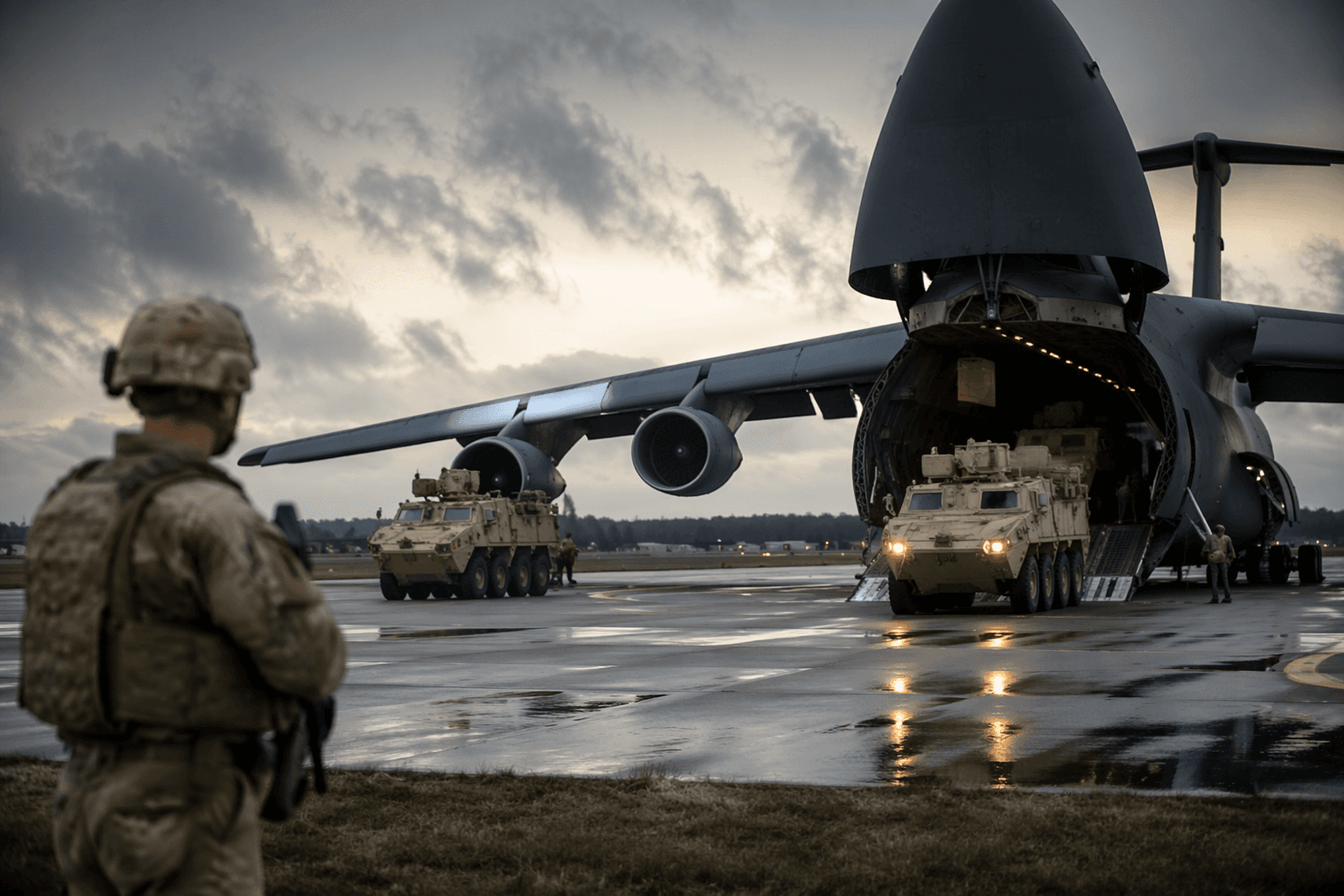
That matters because the American presence in Europe is not symbolic. It is built around Operation Atlantic Resolve, a mission the Defense Department created after Russia’s 2014 seizure of Crimea to provide rotational deployments and reassurance. A recent Defense Department report said the mission supports deterrence in Eastern Europe and the full range of costs tied to the expanded U.S. military presence, while a Special Inspector General for Operation Atlantic Resolve report put increased U.S. military activity in Europe and the European Deterrence Initiative at $47.43 billion in the cited reporting period.
The logistics are equally heavy. Europe rotations routinely involve prepositioned stocks and major exercises such as DEFENDER 25 and Combined Resolve, all of which make even small changes expensive and slow to reverse. The Army budget is already strained, which makes repeated moves not just inefficient but a growing fiscal burden as readiness money gets pulled into rerouting people and equipment.
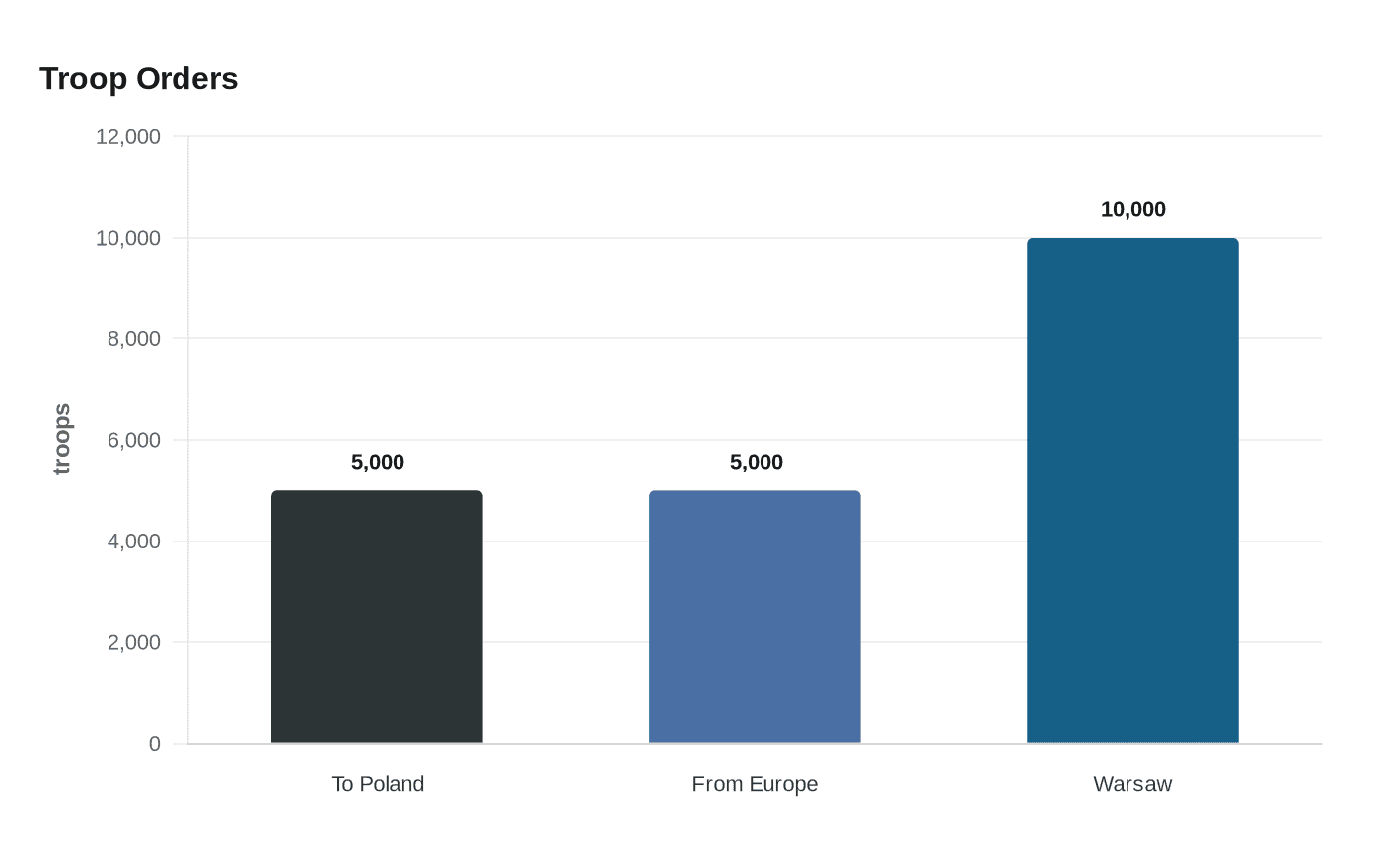
The episode also revived an old NATO concern: consultation. When Trump previously announced troop cuts from Germany, NATO Secretary-General Jens Stoltenberg said allies expected to be consulted on future U.S. troop moves. In Poland, that need for clarity is sharpened by the country’s own security posture. After sabotage incidents blamed on Russia, Warsaw deployed 10,000 troops to protect critical infrastructure, underscoring how seriously Eastern Europe reads every signal from Washington.
For soldiers on the ground, the uncertainty was personal as well as institutional. Travel plans shifted, family schedules changed and deployments were left hanging while Washington reconsidered its own orders. For NATO allies, the deeper question was whether the United States still treated troop posture in Europe as a stable commitment or as a message to be revised with the political winds.
This article was produced by Prism’s automated news system from verified source data, official records, and press releases, then run through automated quality and moderation checks before publishing. The system is built and supervised by the people who set the standards it runs under. Read our full AI policy.
Know something we missed? Have a correction or additional information?
Submit a Tip