Tu Lien Artisans Introduce Moc Can Exposed-Root Kumquat Bonsai
Tu Lien artisans introduced the moc can exposed-root kumquat bonsai for Tet, shifting focus from fruit-laden crowns to sculpted roots that symbolize endurance.

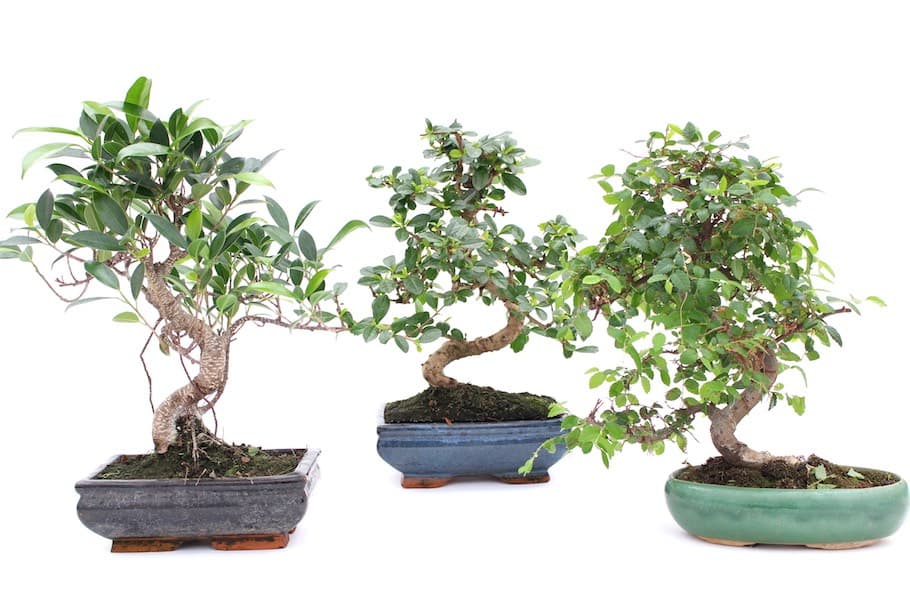
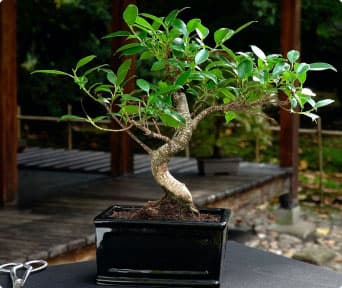
Tu Lien village artisans unveiled a new moc can exposed-root kumquat bonsai that recasts the familiar Tet tree as a study in perseverance rather than pure abundance. The style draws attention to gnarled, upward-reaching roots known as "wooden root" kumquats, elevating the root system as the tree’s visual and spiritual center.
Ngo Thu Trang of Xuan Loc kumquat garden developed the concept and pairs each tree with miniature architectural motifs. Ngo Thu Trang framed the tiny house as a symbol of family bonds that foster resilience, connect generations and help people overcome hardship. The design shifts the narrative from heavy fruit and rounded canopies to endurance, balance and inner strength expressed through exposed roots.

Kumquat trees have long been a Tet staple in northern homes, standing beside peach blossoms and ochna flowers. Traditional specimens emphasize dense crowns laden with bright orange fruit; heavier fruiting is read as a sign of fertility and greater luck in the coming year. The moc can form offers a quieter, more contemplative alternative that aligns with Tet themes of continuity and hope while inviting collectors to read meaning from structure rather than yield.
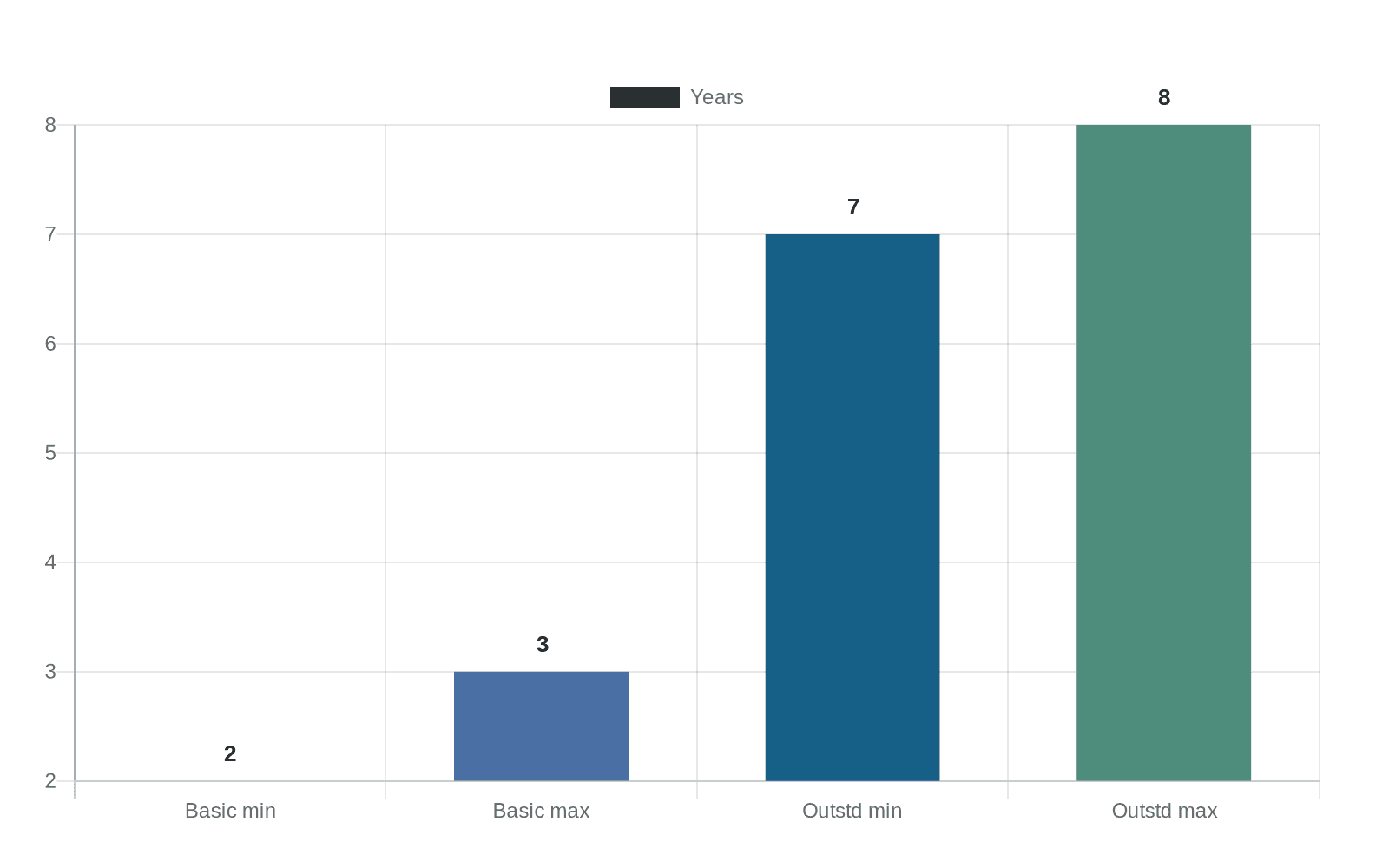
The mok can approach carries practical tradeoffs. Exposed roots make the trees more fragile and complicate nutrient absorption and moisture control. The soil dries faster, requiring constant monitoring and careful adjustment of watering and potting. Artisans say a basic moc can tree takes 2-3 years to complete, while outstanding specimens can require 7-8 years to harmonize root, trunk and canopy. That timeline places a premium on patient cultivation and careful handling during transport and display.
For growers and sellers in Hanoi, moc can represents both a creative statement and a business consideration. The aesthetic differentiates Tu Lien offerings in a market often driven by surface abundance, creating demand among collectors who value story-driven compositions and sculptural form. For casual buyers, the exposed-root style requires readiness to accept a more delicate plant and a slightly different maintenance routine than a fruit-heavy kumquat.
As Tet displays and market stalls fill Hanoi, expect to see moc can pieces at Tu Lien gardens and stalls along the Red River. The style broadens what a Tet kumquat can mean, moving beyond prosperity measured by fruit toward resilience measured by root, and it will shape conversations about cultivation, care and the kinds of stories bonsai can tell in the years ahead.
Know something we missed? Have a correction or additional information?
Submit a Tip