TUC warns UK gender pay gap may not close until 2056 at current pace
Trades Union Congress says women earn 12.8% less than men and effectively work 47 days a year unpaid; warns parity could take 30 years without policy change.
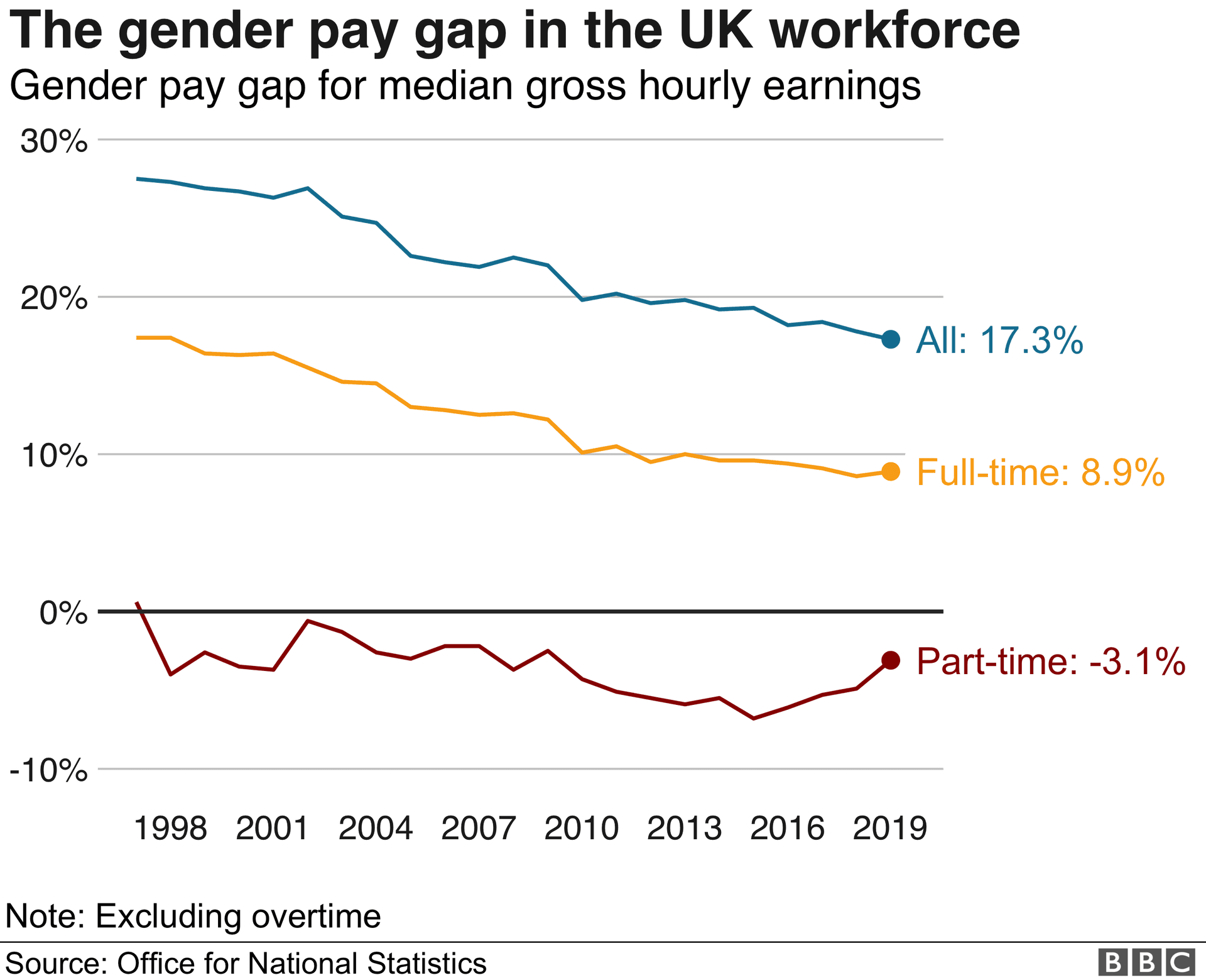
The Trades Union Congress says the gender pay gap in the UK will not close until 2056 if current trends persist, a projection that underlines how slowly wage equality is moving and the economic cost borne by women. TUC analysis, reported by PA Media and the BBC, puts the average disparity at 12.8%, equivalent to £2,548 a year, and calculates that the average woman employee “effectively works for 47 days of the year for free.”
TUC general secretary Paul Nowak framed the gap in household terms, saying: “Women have effectively been working for free for the first month and a half of the year compared to men” and adding, “With the cost of living still biting hard, women simply can't afford to keep losing out. They deserve their fair share.” The union called for expanded flexible working, better access to childcare and increased paid parental leave as measures to reduce long-term career penalties from caring responsibilities.
The TUC’s analysis exposes wide sectoral variation. Finance and insurance shows the largest gap at 27.2%, while leisure services records a gap of just 1.5%. Even majority-female sectors display substantial shortfalls: education has a median gap of 17% and health and social care 12.8%. The TUC also notes the gap is widest among workers aged 50–59, which it links to the cumulative effect of women pausing or reducing careers to provide care.
Employer transparency rules provide a lever for change: UK firms with more than 250 employees must report pay data. Organisation-level evidence suggests accountability and leadership matter. Analysis from Global5050 of 45 organisations found that companies led by women tend to have smaller pay gaps and faster rates of improvement. In their sample, organisations with a woman CEO for all eight reporting years (n=2; 16 observations) had a median gap of 1.6% and, at current rates, would close by 2027/28. By contrast, organisations led by men had higher medians in 2017/18 (17.1%) and in 2024/25 (9.6% versus 4.1% for women-led groups). Across the Global5050 sample the mean gap was close to 10%, ranging from -11.4% to 27.7%.

The government defended its approach, saying it was “tackling the root causes of the gender pay gap and backing women to succeed at work.” But the TUC said recent legal reforms were only a first step. Nowak pointed to the Employment Rights Act as “an important step forward for pay parity” while urging more generous paid parental leave so “mums and dads can better share care.”
International comparisons show similar inertia. A Center for American Progress projection cited by Qualtrics also predicts parity by 2056 if current trends continue. In the United States, Pew Research found that in 2024 women earned 85% of what men earned based on median hourly pay for full- and part-time workers, with younger cohorts narrower still; women aged 25–34 earned 95 cents for every dollar earned by men in that group. Global aggregates are weaker: a 2026 Equalpaytoday estimate places women’s global earnings at roughly 77 cents per dollar.
Economically, a persistent gender pay gap reduces household incomes, depresses lifetime earnings and pensions, and constrains aggregate demand at a time when consumer spending is fragile. The TUC’s warning is therefore both a social equity and a macroeconomic signal: without targeted policies to support caregiving, flexible work and transparency, pay parity may remain a generation away.
This article was produced by Prism’s automated news system from verified source data, official records, and press releases, then run through automated quality and moderation checks before publishing. The system is built and supervised by the people who set the standards it runs under. Read our full AI policy.
Did this article answer your question?