Tunisia union leader submits resignation, triggering internal 15 day review
Nourredine Taboubi submitted his resignation as head of Tunisia’s powerful General Union of Tunisian Workers on Dec. 23, 2025, a move that opens a 15 day internal review and leaves the country’s most influential labour organisation in flux. The outcome of the review could reshape the union’s leadership at a sensitive moment for relations with the government and for social stability across Tunisia.
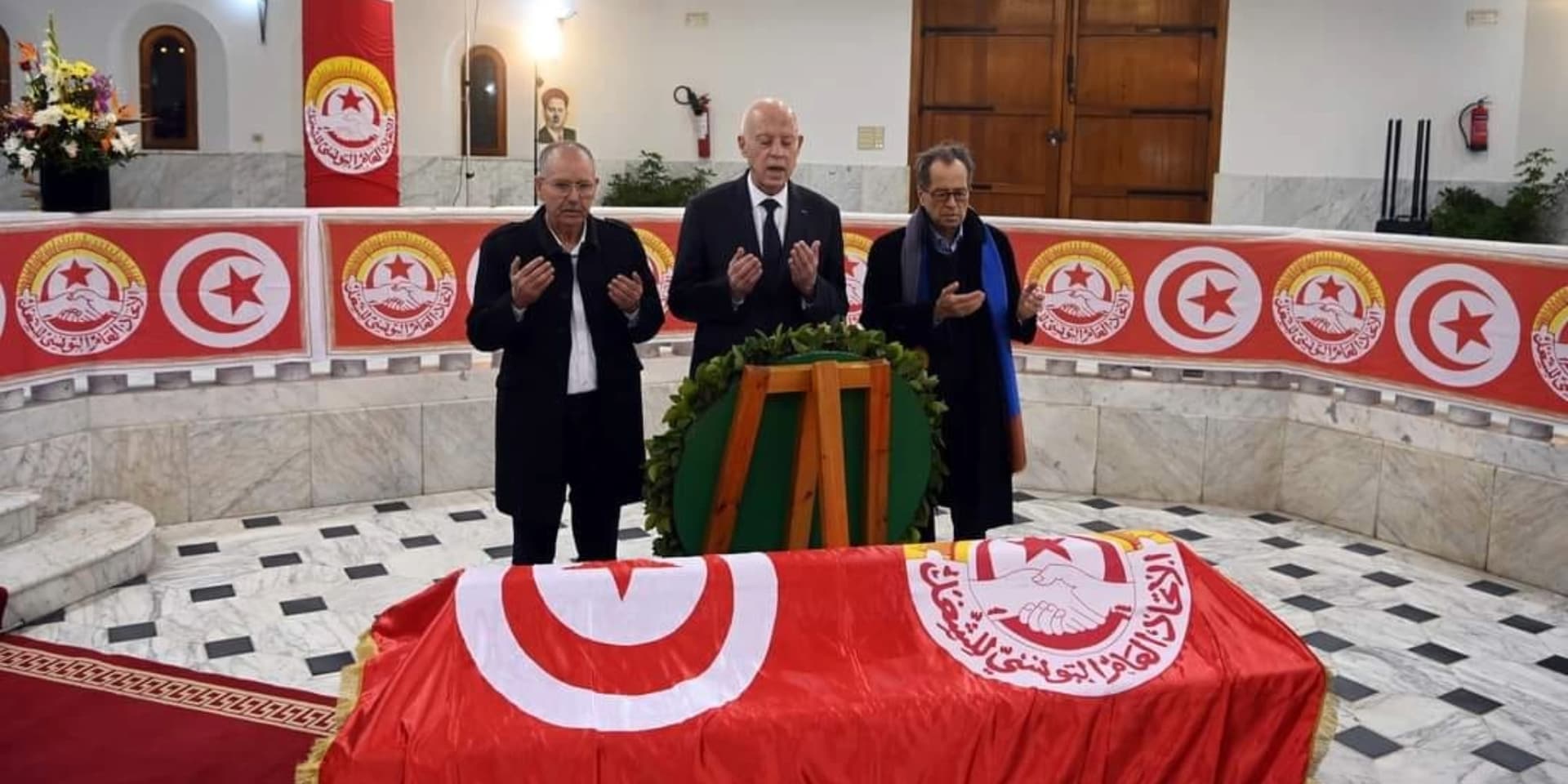
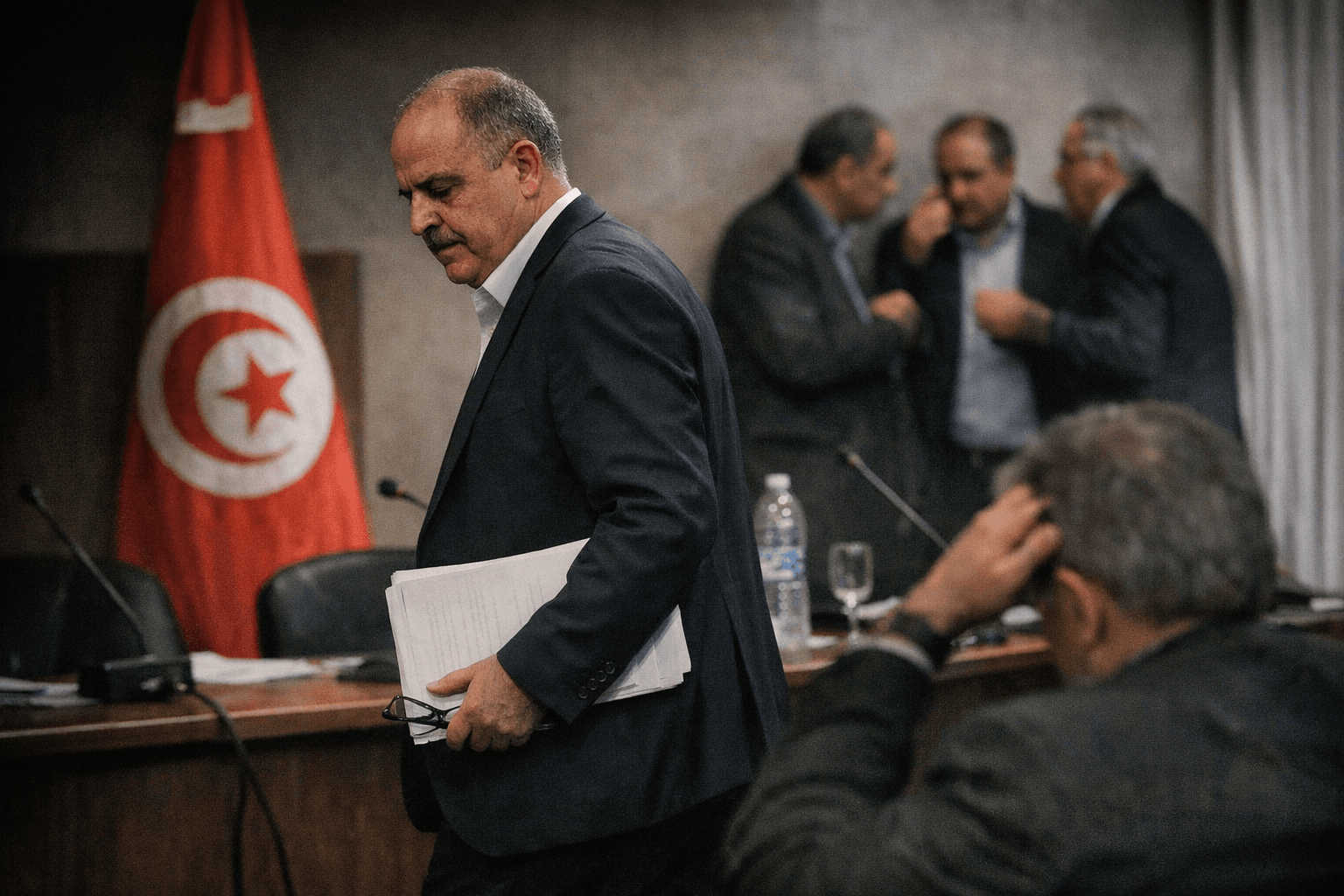
Nourredine Taboubi, also reported as Noureddine Tabboubi, handed in his resignation as head of the General Union of Tunisian Workers on Dec. 23, 2025, union officials said. The filing was made with the UGTT registry and its receipt was confirmed by the union’s assistant secretary general and spokesman Sami Tahri.
Under UGTT internal rules the resignation does not take immediate effect. The organisation has a 15 day period to discuss the reasons for the step and to try to convince the leader to withdraw it. That window, which began with the registry filing on Dec. 23, will run through Jan. 7, 2026, and could end either with Taboubi staying on or with the union accepting his resignation and moving to appoint an interim leadership.
Taboubi has led the UGTT since 2017 and presides over a confederation that represents roughly one million members. The union has long been described as a central political force in Tunisia, with the capacity to mobilise large scale strikes and protests and to shape national bargaining over wages, subsidies and public policy.
Local reporting and union officials placed the resignation against a backdrop of mounting internal divisions and strained relations between the union and state authorities. The move has prompted concern among observers about the UGTT’s capacity to act as a stabilising mediator in moments of political tension. Union analyst Sofiane Lassoued said the resignation “underscores the depth of the crisis within Tunisia’s largest union and reflects the fractures in its leadership,” and described the moment as “pivotal” for the organisation as it navigates internal splits and its ties to the government.
The UGTT’s historical record explains much of the attention. During the 2010 to 2011 uprisings the union provided organisational shelter for protesters, broadened economic grievances into political demands and authorised local strikes that contributed to the nationwide wave of unrest that led to the departure of President Zine El Abidine Ben Ali. In the years after the uprising the UGTT remained a central actor in political life, notably as part of the Tunisian National Dialogue Quartet that helped steer the country through a period of crisis in 2013.
What is not yet clear is why Taboubi resigned. Sources within local reporting cited internal strife and tensions with authorities but did not point to legal charges or a formal removal by the state. No immediate successor has been announced and there has been no public statement from Taboubi himself.
For policymakers and markets the short term question is whether the UGTT will sustain its organisational coherence during the review period. A decision to accept the resignation could set off a contest for leadership that reshapes the union’s negotiating posture with the government and employers. If the resignation is withdrawn the episode may nonetheless mark a weakened leadership and embolden rival factions. Journalists and analysts will be watching for a statement from Taboubi, the outcome of the UGTT’s deliberations by Jan. 7, and any reaction from government officials and rank and file members.
This article was produced by Prism’s automated news system from verified source data, official records, and press releases, then run through automated quality and moderation checks before publishing. The system is built and supervised by the people who set the standards it runs under. Read our full AI policy.
Did this article answer your question?


