Turkey begins black box analysis, Libya’s western military chief killed
Turkey said it had begun technical analysis of flight recorders recovered from a private Falcon 50 that crashed after taking off from Ankara, killing eight people including Libya’s western military chief. The investigation, carried out with Libyan officials, will be closely watched for findings that could reshape Libya’s fragile security landscape and affect bilateral defense cooperation with Turkey.
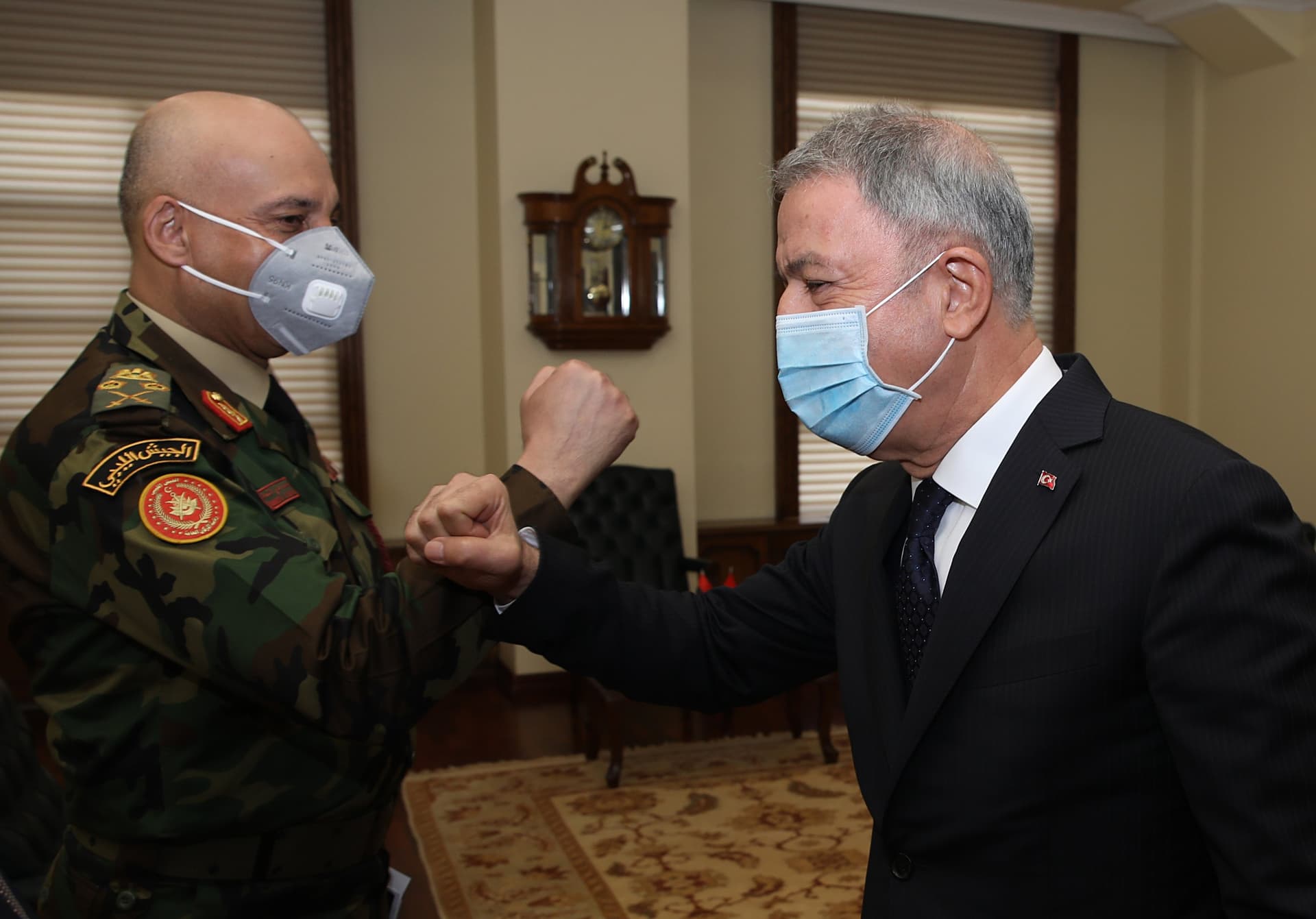
A private Falcon 50 carrying a senior Libyan delegation crashed shortly after takeoff from Ankara on Dec. 24, killing all eight people aboard, Turkish authorities said. Among the dead was Gen. Muhammad Ali Ahmad al-Haddad, identified as the military chief of western Libya, along with four other Libyan military officials and three crew members. The delegation had been in Ankara for defense talks aimed at expanding military cooperation and was returning to Tripoli.
Turkey’s Ministry of Defense announced on Dec. 25 that technical analysis of the aircraft’s flight recorders had begun. Turkish experts are conducting the work in coordination with Libyan officials, a joint arrangement that follows standard practice when a foreign state’s senior officials perish on Turkish soil. Turkish rescue teams had spent days at the crash site, combing through debris scattered across roughly three square kilometers, a spread that Interior Minister Ali Yerlikaya said complicated recovery and identification efforts.
Libyan authorities cited in reporting described a technical malfunction as a possible cause of the accident, but no conclusive determination has been reached. Turkish investigators are leading the examination of the black boxes, which officials said would be analyzed to determine technical details and any causal sequence that led to the crash. Further technical findings are expected to be released by Turkish authorities with Libyan participation as the analysis proceeds.
The deaths of General al-Haddad and his accompanying officers represent a significant blow to the western Libyan military command at a delicate moment for the country. Libya has been navigating a fragile transition marked by competing power centers, and the loss of a high level military leader could alter local balances of authority and complicate efforts to stabilize the security environment. The delegation’s trip to Ankara underscored recent warming defense ties between Turkey and Libya, which have included arms transfers and training arrangements in previous years, meaning the accident carries diplomatic as well as operational consequences.

Aviation specialists and international regulators will watch the black box analysis for insight into whether human error, maintenance shortcomings, or mechanical failure were factors. The Falcon 50 is a three engine business jet used widely by governments and private operators, and investigators typically examine maintenance logs, air traffic communications, weather, and recorder data to assemble a timeline.
Authorities on both sides signaled a cautious approach, emphasizing technical inquiry over speculation as search teams completed site work and officials began the laborious task of reconstructing events. Families of the victims and Libyan political leaders will be awaiting detailed findings, while Ankara and Tripoli navigate the immediate aftermath of the tragedy and the diplomatic choreography that follows the loss of senior military personnel. The black box analysis, and any subsequent joint statements, are likely to shape both the official narrative and the next steps in bilateral defense cooperation.
This article was produced by Prism’s automated news system from verified source data, official records, and press releases, then run through automated quality and moderation checks before publishing. The system is built and supervised by the people who set the standards it runs under. Read our full AI policy.
Did this article answer your question?


