Turkmenistan’s isolation eases slightly as e-commerce startup finds customers
Azat Seyitmuhammedov’s Wabrum is selling Turkish clothes and shoes in a market where online retail was once almost nonexistent.
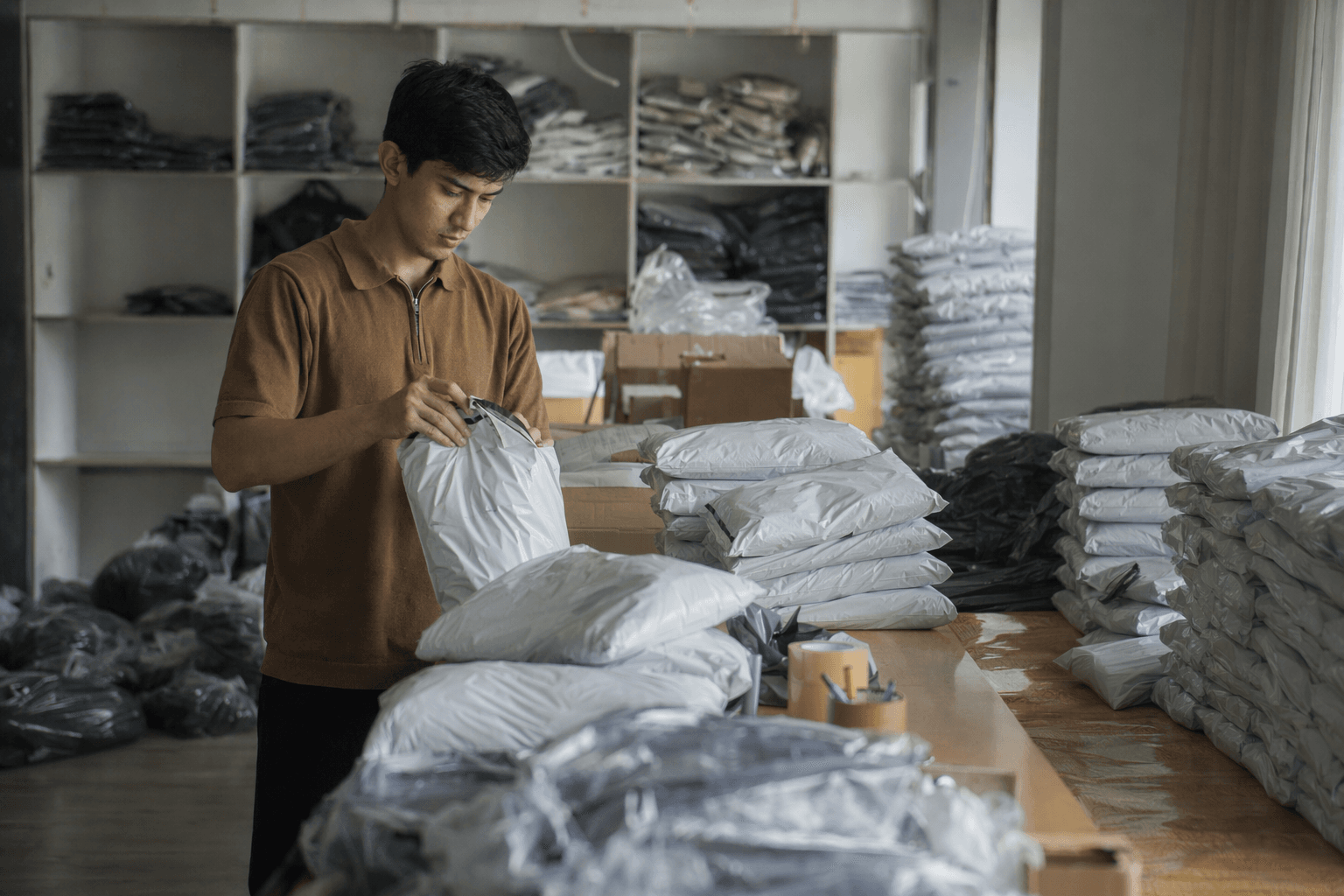
Inside an open-plan office in Ashgabat, Azat Seyitmuhammedov is trying to build a business that would be ordinary almost anywhere else and still unusual in Turkmenistan: an e-commerce company with real customers.
His startup, Wabrum, delivers mostly Turkish-made clothes and shoes from a warehouse to buyers across the former Soviet republic. Seyitmuhammedov, who founded the company almost a decade ago, said, “E-commerce here is still in its very early stages, and we consider ourselves pioneers,” a line that captures both the opportunity and the limits of doing business in one of the world’s most isolated states.
The company’s growth points to a narrow but real change. Wabrum says it began in 2017 as an online shop importing goods from Turkish internet stores before evolving into a marketplace. That kind of commercial experimentation has emerged even as political control remains tight under President Serdar Berdymukhamedov and his circle. Turkmenistan declared itself permanently neutral after independence from Moscow in 1991, and the United Nations General Assembly adopted a resolution recognizing that status on December 12, 1995. Turkmen official sources say neutrality was reaffirmed again in 2015 and 2025.
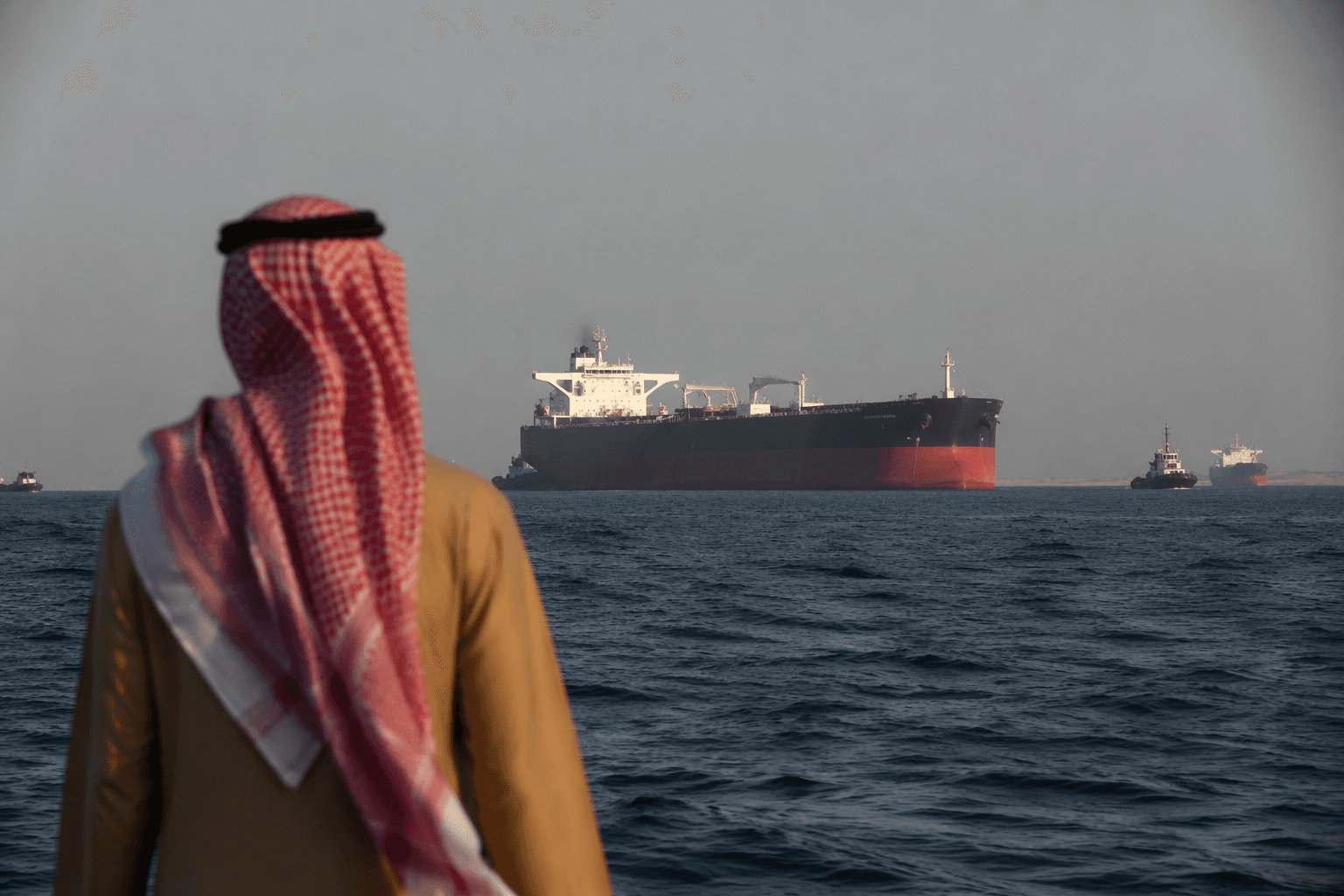
That isolation still shapes daily life. The government presents the policy as a shield against militancy and drug smuggling from Afghanistan, while Ashgabat has been rebuilt as a marble-heavy showcase backed by the country’s natural gas wealth. The World Bank says natural gas exports remain the main source of revenue. The International Monetary Fund puts Turkmenistan’s 2026 real GDP growth at 2.6 percent and inflation at 3.9 percent, with a population of 6.753 million.
Even so, the commercial opening is fragile. U.S. trade guidance says Turkmenistan’s e-commerce sector is still small but emerging, with the strongest growth potential in Ashgabat, Turkmenabat and Mary. It also says the country has no dedicated e-commerce law, leaving customs rules, certification requirements and wider regulatory uncertainty as major barriers. The U.S. State Department says the government restricts and disrupts internet access, censors online content and warns critics against speaking with visiting journalists or overseas human-rights groups.
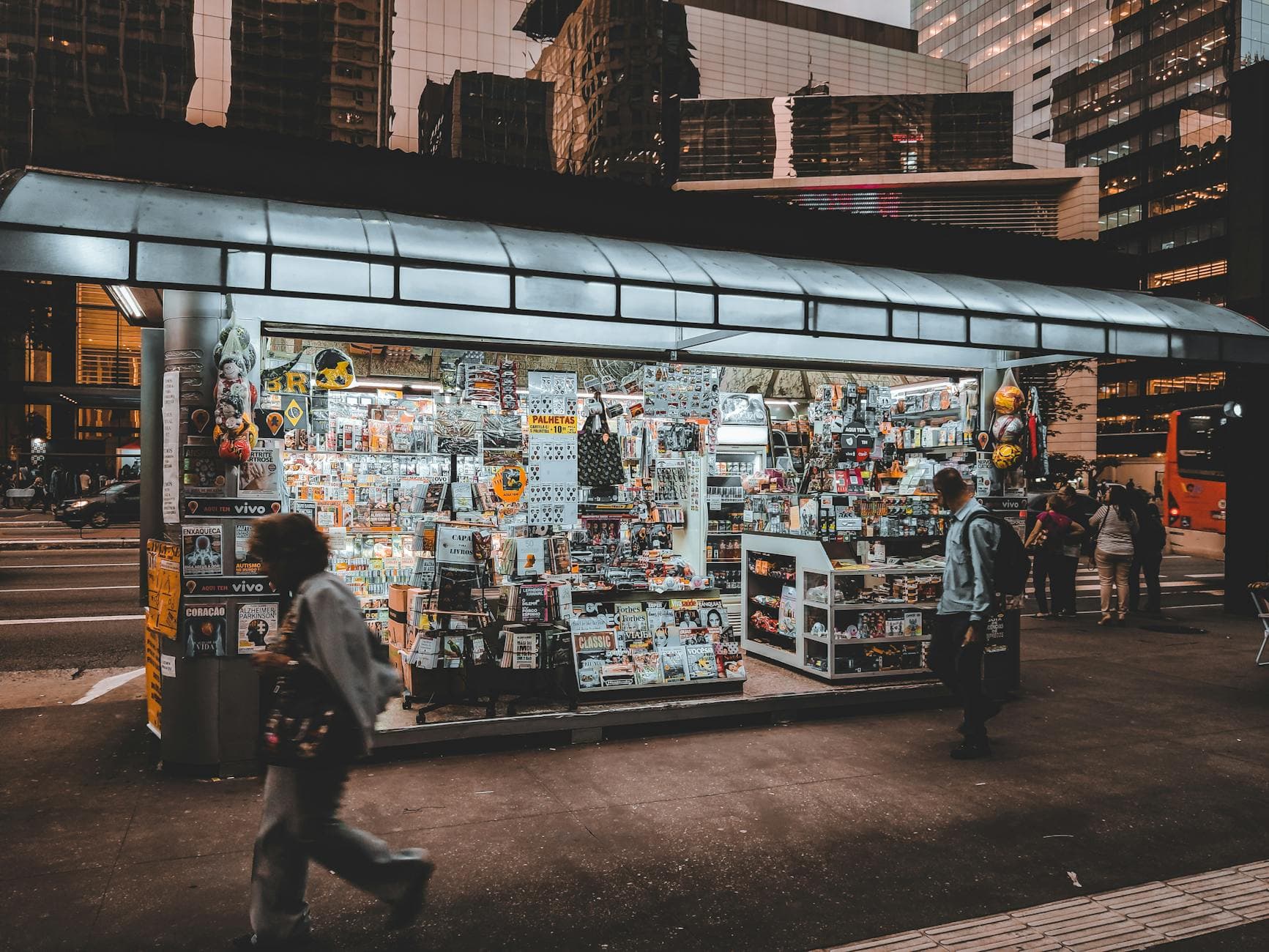
That makes the numbers on digital adoption especially stark. World Bank and International Telecommunication Union data show just 21 percent of Turkmenistan’s population used the internet in the latest figure cited by the World Bank, a reminder that online commerce is still being built on a very low base. Reuters was able to move around unescorted and report freely, a sign that access is easing slightly even if politics is not.
For now, Turkmenistan looks less like a broad liberalization story than a carefully managed opening for trade and connectivity, one that may invite capital and consumer spending without loosening the state’s grip on power.
This article was produced by Prism’s automated news system from verified source data, official records, and press releases, then run through automated quality and moderation checks before publishing. The system is built and supervised by the people who set the standards it runs under. Read our full AI policy.
Did this article answer your question?