Two Chinese tankers leave Hormuz as Trump, Vance tout Iran talks
Two Chinese oil tankers slipped out of Hormuz as Trump and Vance signaled progress with Tehran, easing but not erasing the risk to oil flows and prices.
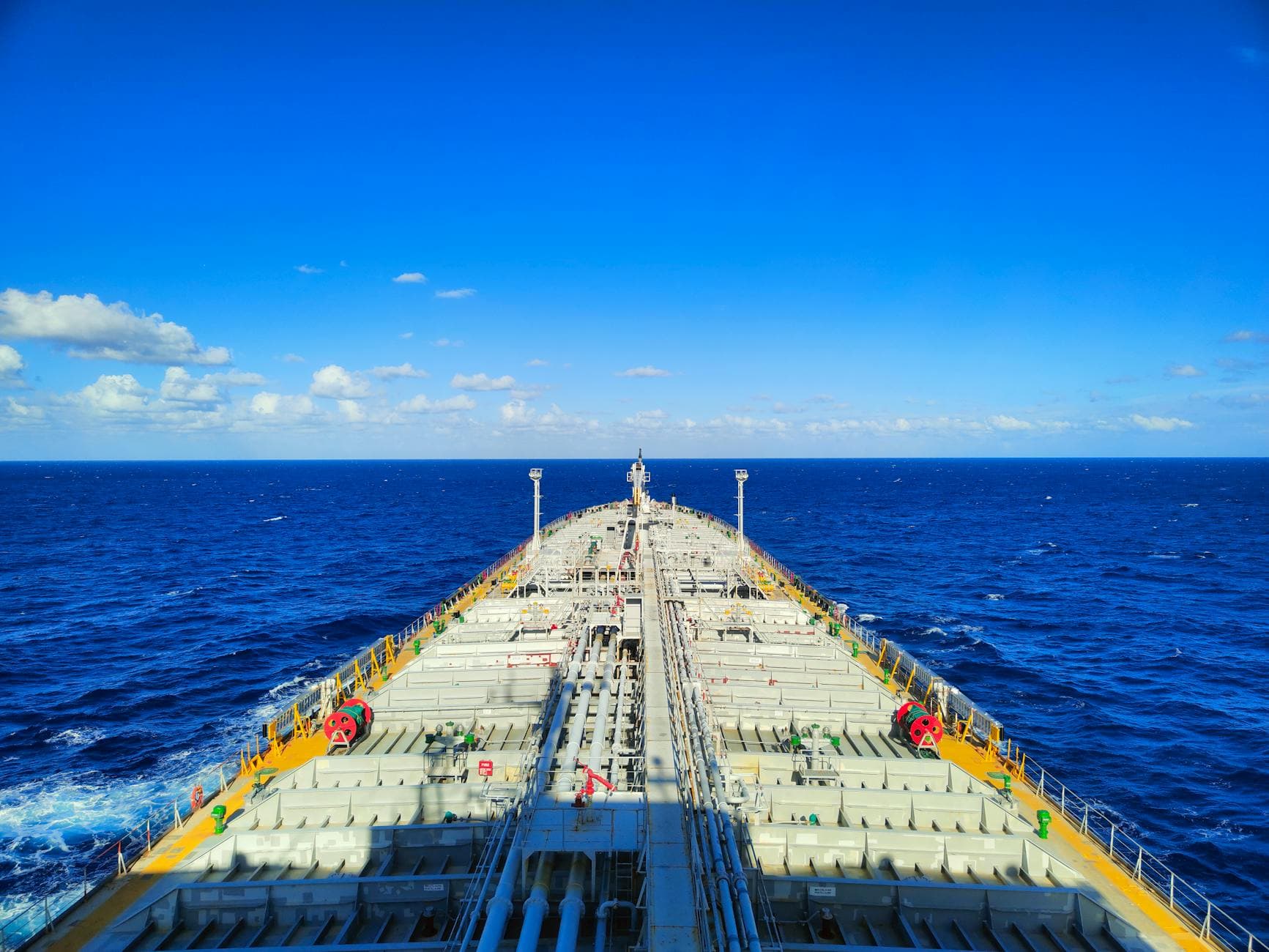
Two Chinese tankers laden with oil exited the Strait of Hormuz on Wednesday, a small but closely watched signal for shippers, insurers and energy traders as Donald Trump and JD Vance amplified hopes for a breakthrough with Tehran. Trump said the war would be over “very quickly,” while Vance said talks with Iran were making progress toward an agreement to end hostilities.
For the market, the timing mattered as much as the movement. The Strait of Hormuz is one of the world’s most important oil chokepoints, with the International Energy Agency saying an average of 20 million barrels a day of crude oil and oil products passed through it in 2025. The U.S. Energy Information Administration said first-half 2025 flows averaged 20.9 million barrels a day, roughly 20% of global petroleum liquids consumption and about one-quarter of global maritime traded oil.
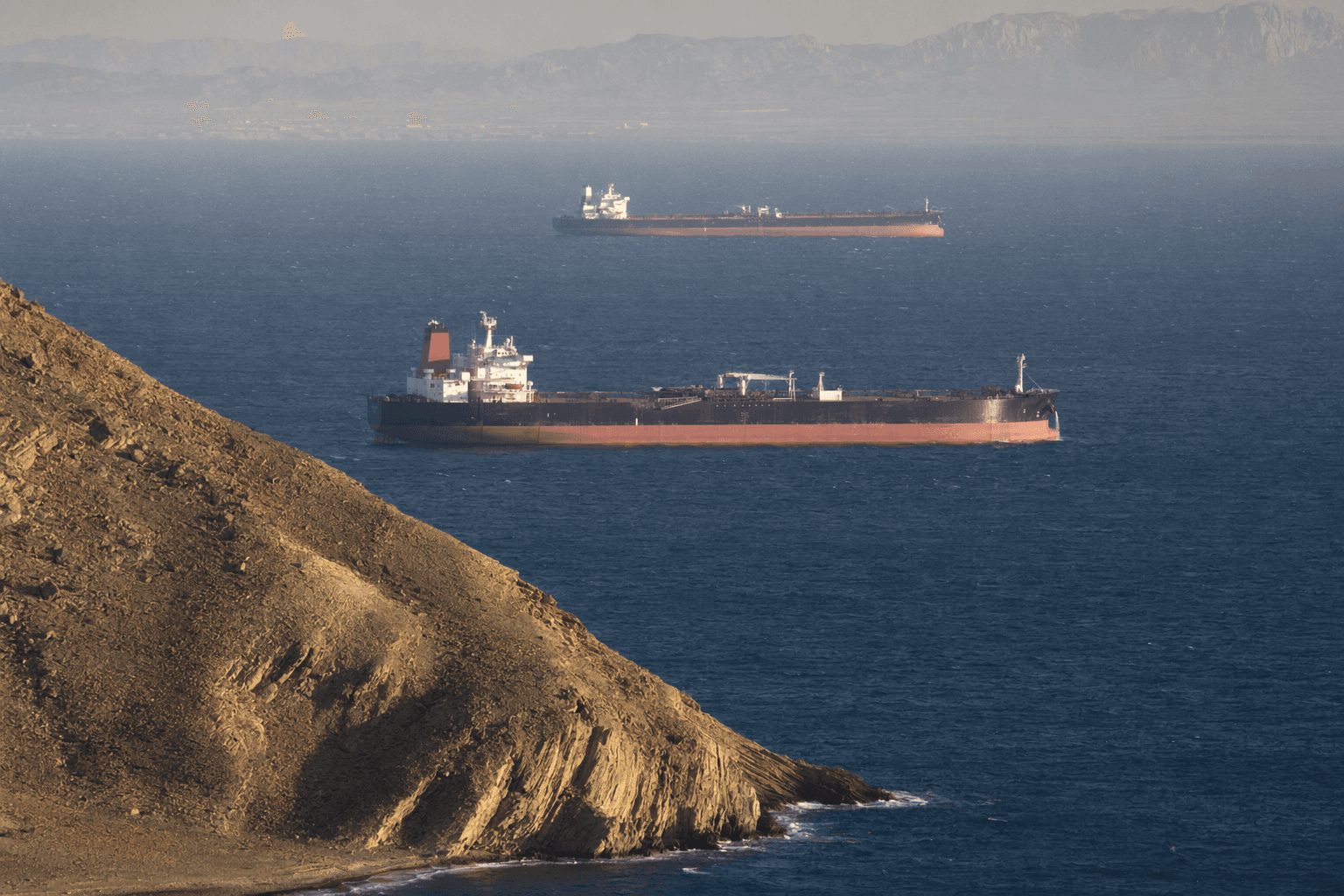
The geometry of the waterway explains the security premium. At its narrowest point, the strait is just 29 nautical miles wide, with two 2-mile-wide navigable channels separated by a buffer zone. That leaves tankers exposed to any surge in military tension, and it helps explain why some large vessels had hesitated to enter or transit the passage in recent weeks.
Bloomberg reported that almost all large non-Iranian tankers that did enter the Persian Gulf during the war appeared to have left successfully with cargo, suggesting that operators were still moving oil but pricing in much higher risk. On May 18, Iran started a Bitcoin-backed insurance service for shipping companies seeking to transit the strait, a striking sign that war-risk cover and payment systems have become part of the shipping calculation.
The standoff has already spilled far beyond diplomacy. The Associated Press said the crisis has left tens of thousands of mariners and hundreds of ships stranded in the Persian Gulf. European countries have also begun talks with Iran over ship passage through the waterway, underscoring how quickly a geopolitical clash has turned into a logistics and insurance problem for the global oil trade.
Whether Wednesday’s departures mark genuine de-escalation or only a temporary pause will depend on the talks around Tehran. For now, the tankers’ exit has calmed one corner of the market, but the Strait of Hormuz remains a narrow corridor where diplomacy, war-risk pricing and global fuel supplies collide.
Know something we missed? Have a correction or additional information?
Submit a Tip