Two Killed in Israeli Strike in Southern Lebanon Near Bint Jbeil
Lebanese health authorities say two people were killed in an aerial strike in southern Lebanon on Jan. 4, 2026, an incident Israel described as a targeted hit on a Hezbollah operative while local reporting describes civilian deaths and damage to nearby homes. The attack underscores persistent cross-border violence since the U.S.-brokered ceasefire in November 2024 and raises fresh questions about civilian harm, verification of targets, and the ceasefire's durability.
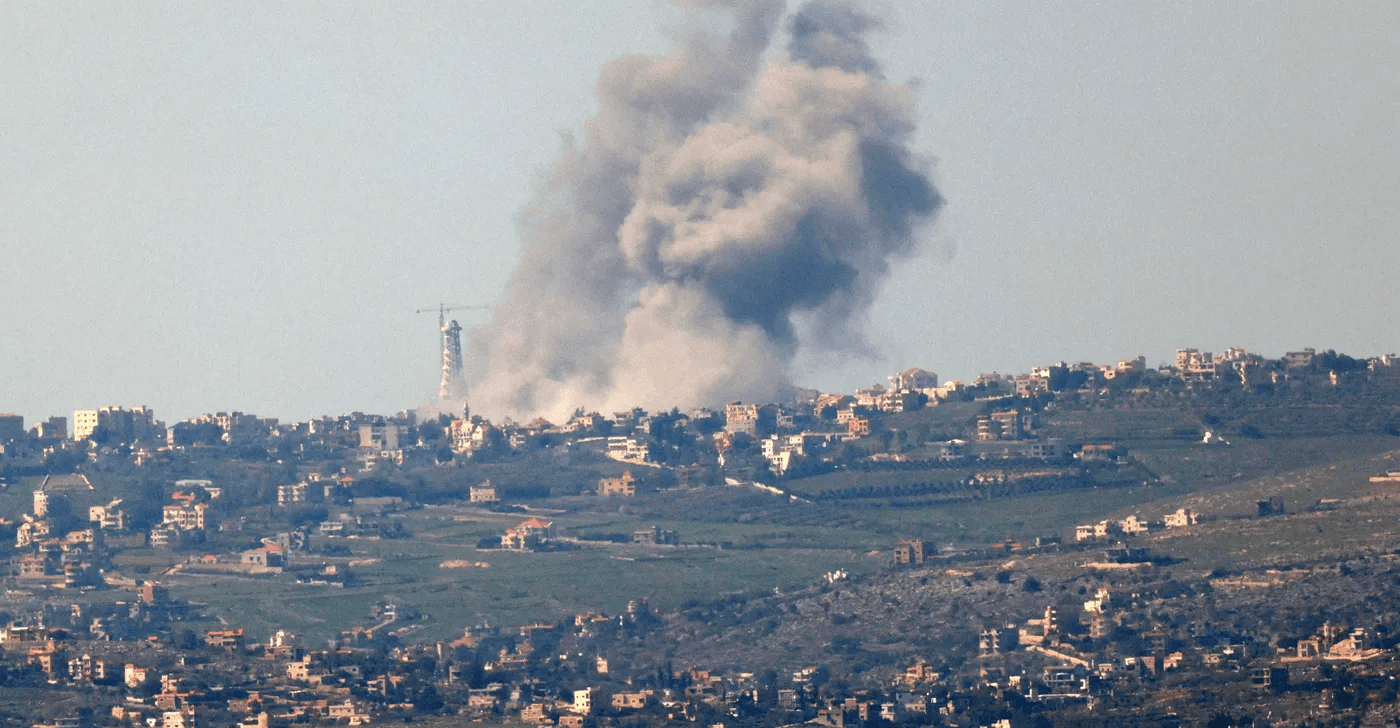
Lebanese health authorities report that two people were killed in an aerial strike in southern Lebanon on Jan. 4, 2026. Local reporting described a drone strike on a car that was destroyed and said surrounding buildings suffered damage; Lebanese officials characterized the fatalities as civilian.
The Israeli military issued a statement saying the strike targeted a Hezbollah operative and framed the action as part of broader steps against what it described as continued Hezbollah activity since the U.S.-brokered ceasefire of late November 2024. Israeli officials also contend they occupy a small number of positions on the Lebanese side of the border, a detail cited by local reporting as part of the wider post-ceasefire friction.
Reports differ on the precise location. One account placed the impact near Jmaijmeh in southern Lebanon; another located it in the Ayn al-Mizrab area north of the town of Bint Jbeil. Both places lie within the same general border region and may refer to neighboring localities, but those discrepancies complicate early verification of the scene, casualty circumstances, and whether those killed were combatants or civilians.
The incident arrives amid repeated cross-border strikes since the November 2024 truce. Different tallies of Lebanese casualties since that ceasefire have emerged: one set of figures cited by local and regional reporting put the total deaths at more than 300, including at least 127 civilians; another count, drawing on the Lebanese Health Ministry, put the toll at more than 270 people killed and roughly 850 wounded. The variance underscores the difficulty of producing consolidated casualty counts in an active, fragmented conflict environment.

Humanitarian and health-sector impacts have been a recurring concern. Regional commentary has cited World Health Organization figures covering Oct. 7, 2023, through Nov. 18, 2024, that recorded 226 health workers killed and 199 wounded during the broader conflict period; critics of recent strikes have argued that attacks on ambulances and medical facilities require independent investigation to substantiate military claims of legitimate targeting.
Beyond immediate loss of life and property damage, the Jan. 4 event highlights three practical risks. First, uncertainty about target identity and combatant status leaves open the prospect of misclassification and civilian casualties, which can deepen local grievances. Second, recurring strikes risk eroding the fragile constraints established by the U.S.-brokered ceasefire, increasing the chance of broader escalation along the border. Third, repeated attacks strain medical services and civilian mobility, complicating emergency response and longer-term recovery.
Independent verification of the strike, including geolocated imagery, third-party witness accounts, and statements from municipal or security authorities on the ground, remains necessary to reconcile the differing location reports and to establish whether those killed were fighters or civilians. Officials on both sides have a responsibility to provide timely detail on targeting intent and post-strike assessments so that humanitarian organizations and international monitors can evaluate civilian harm and adherence to the ceasefire.
This article was produced by Prism’s automated news system from verified source data, official records, and press releases, then run through automated quality and moderation checks before publishing. The system is built and supervised by the people who set the standards it runs under. Read our full AI policy.
Did this article answer your question?


